von irgendwem – deshalb wurden alle Benutzer gelöscht – außer admin 😉
offensichtlich hat es nicht nur mich getroffen – PHP ist das Problem
von irgendwem – deshalb wurden alle Benutzer gelöscht – außer admin 😉
offensichtlich hat es nicht nur mich getroffen – PHP ist das Problem
live results hopefully here: https://f3xvault.com/?action=event&function=event_view&event_id=4520
https://www.windfinder.com/forecast/duderstadt_gerblingerode
Contest-Ranking before the competition: https://www.contest-eurotour.com/f3b/f3b-ranking-before-the-last-competition-2026/
Contest-Ranking after the competition https://www.contest-eurotour.com/f3b/f3b-final-ranking-2026/
Worldcup-Ranking after the competition https://f3b.de/2026/10/05/fai-world-cup-f3b-2026-2/
Rangliste Nationalmannschaft Germany 2025 / 2026 – fehlt noch offiziell …
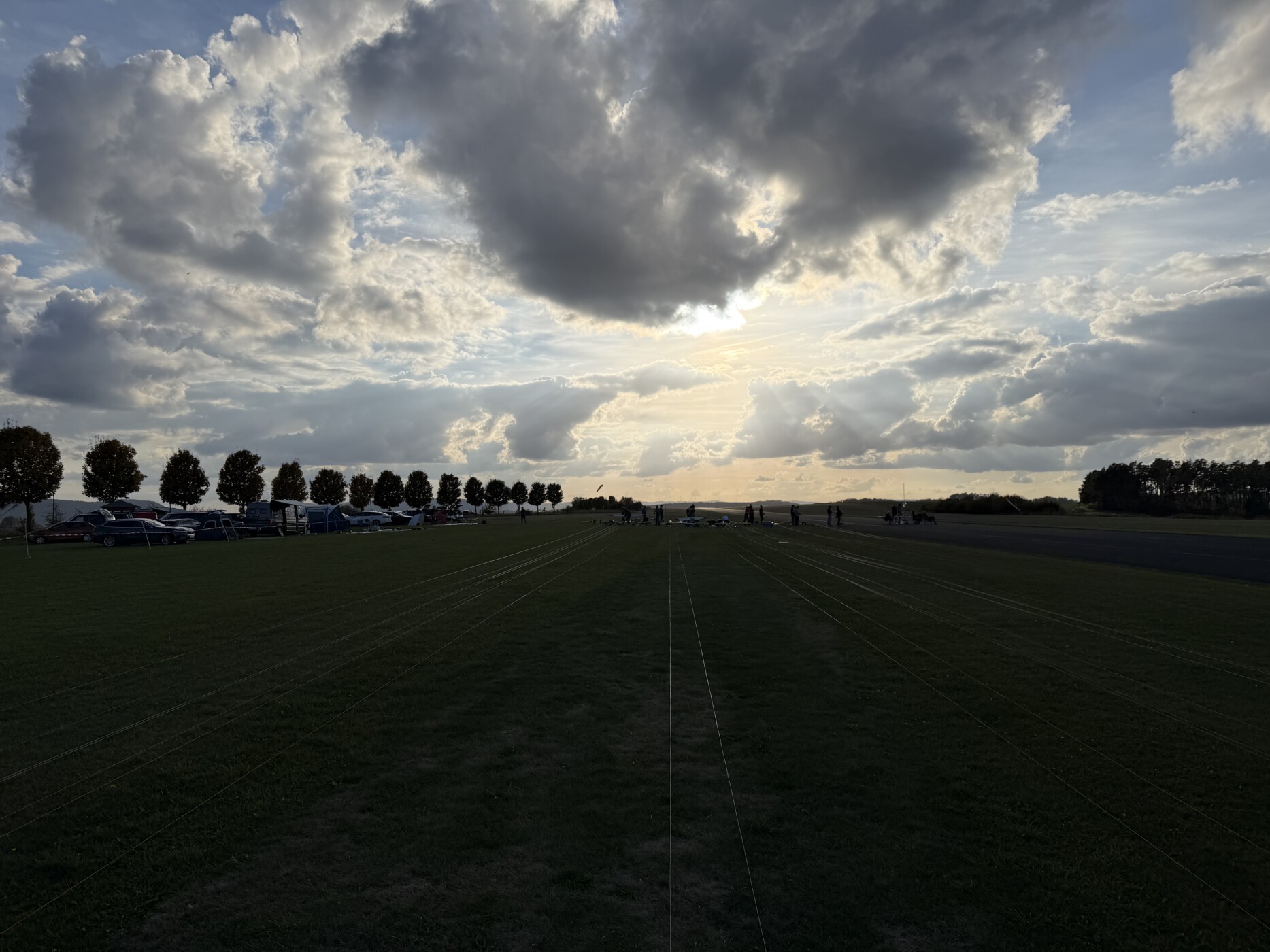
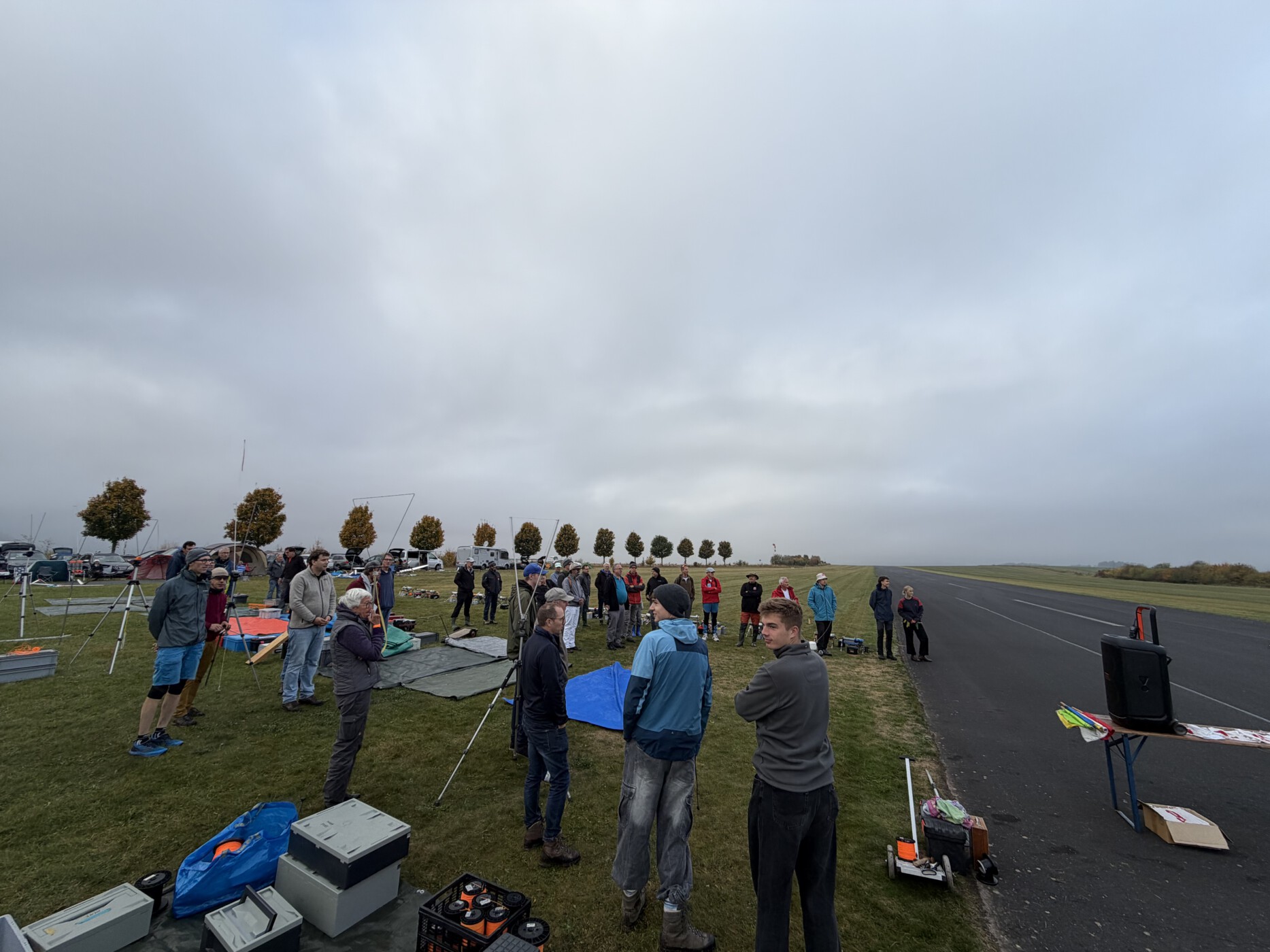
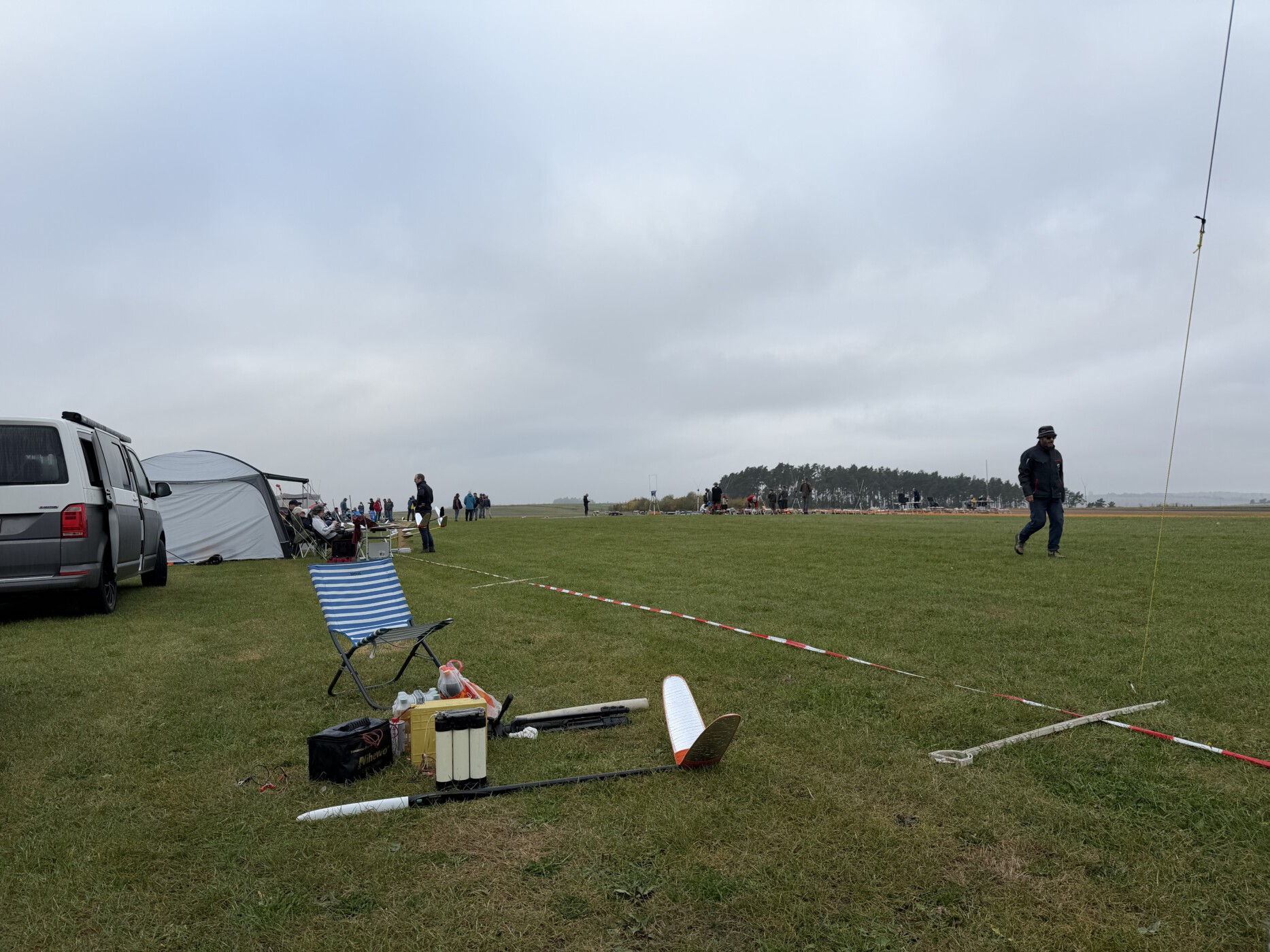
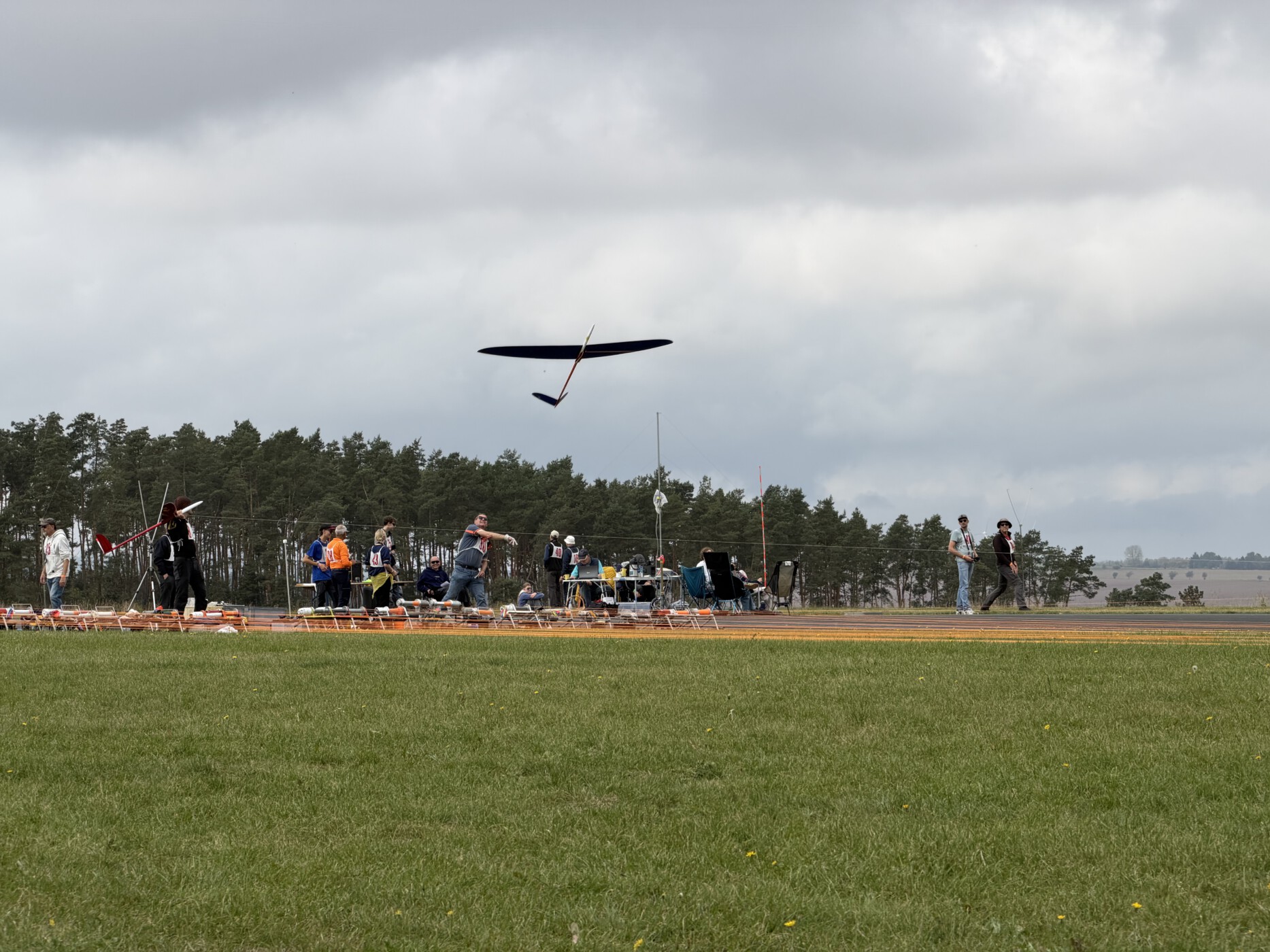
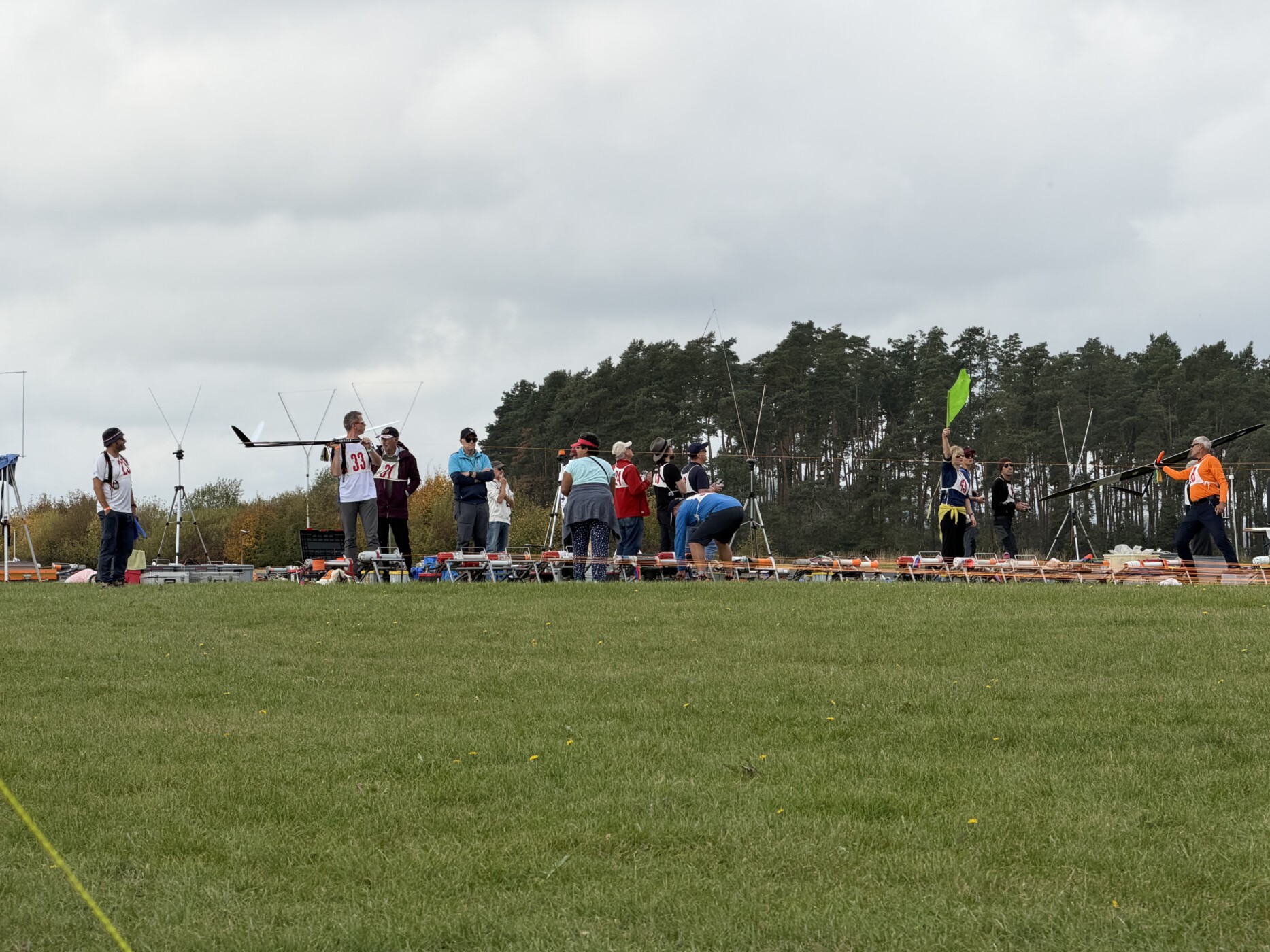
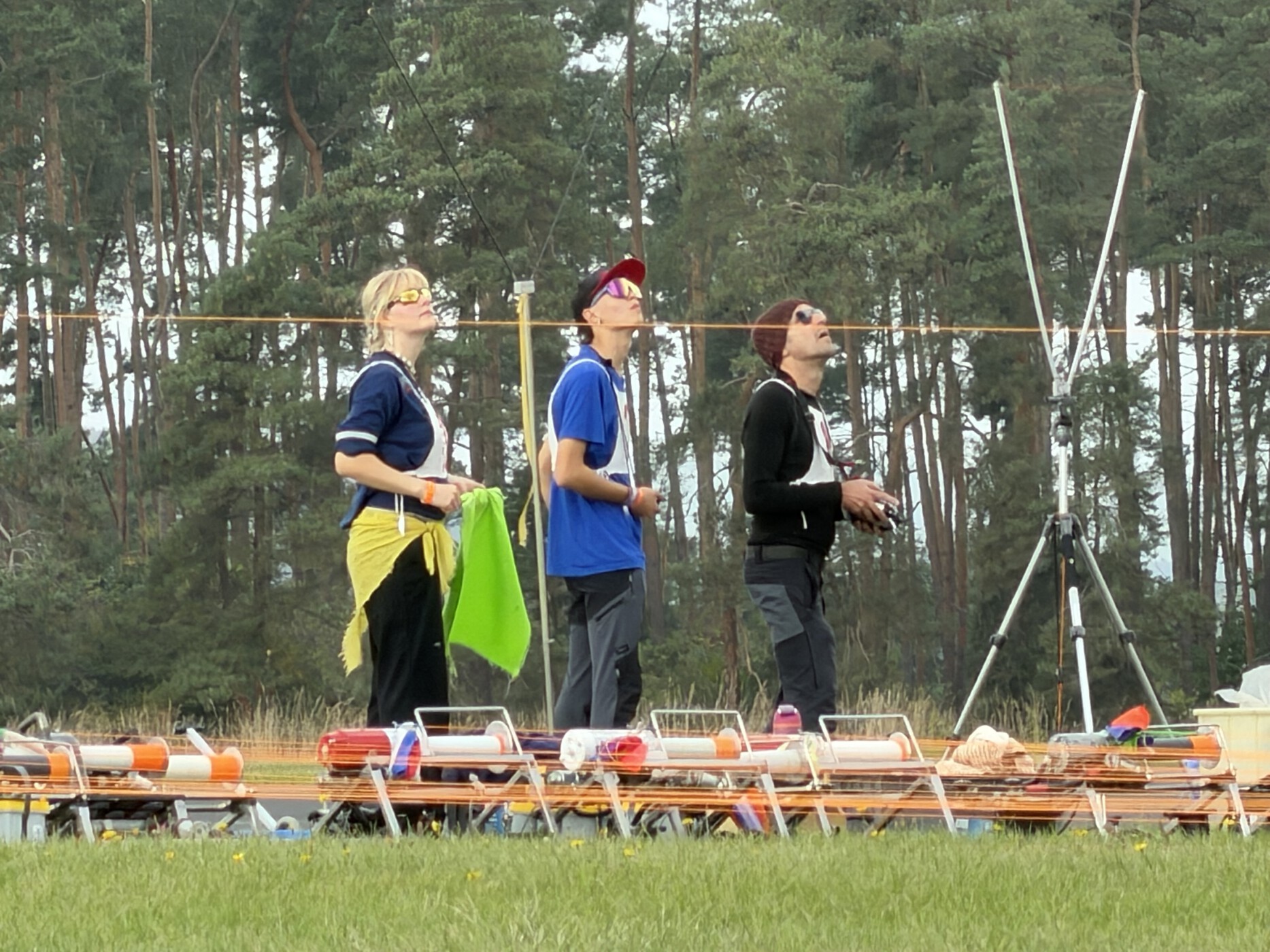
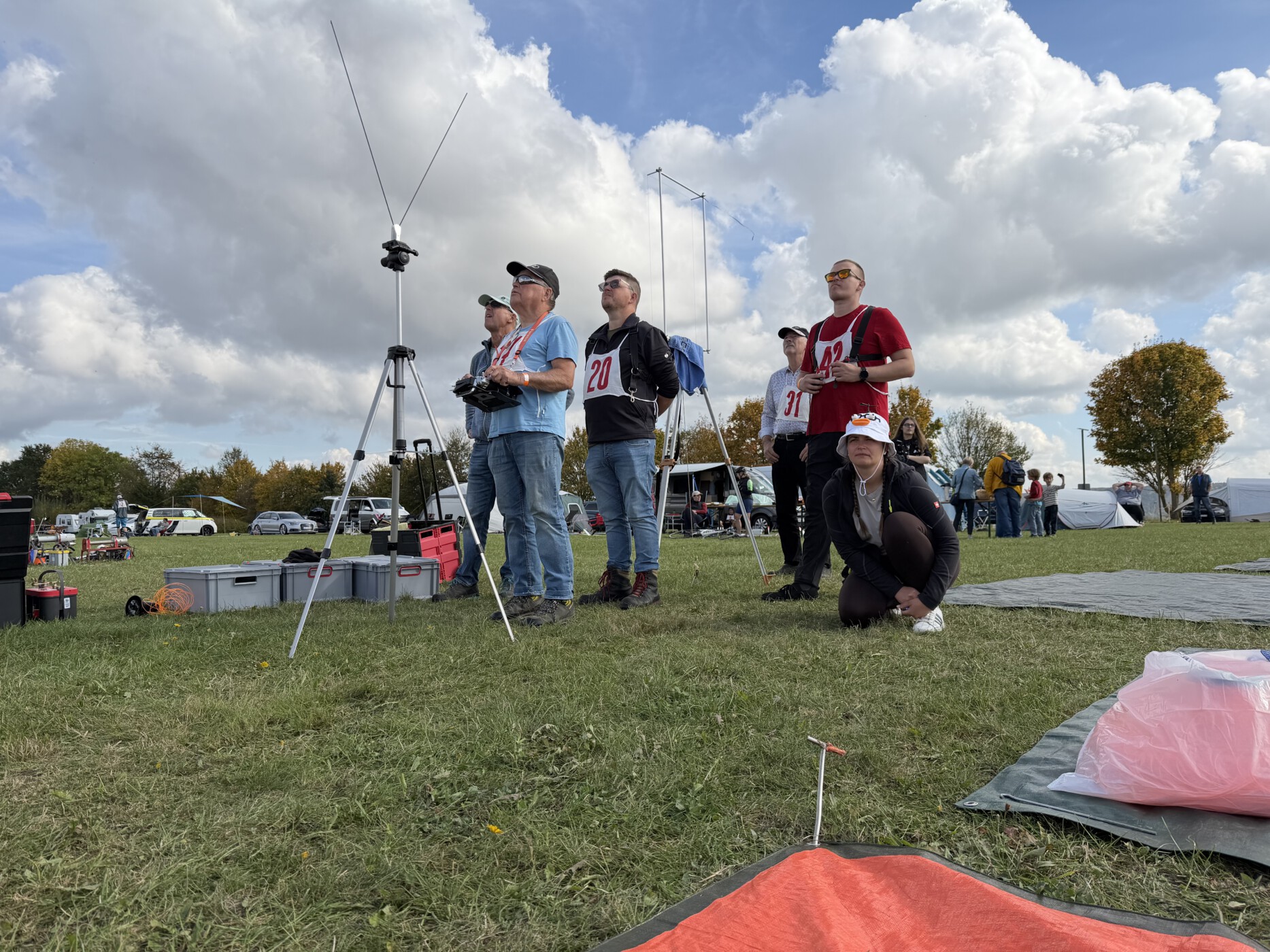
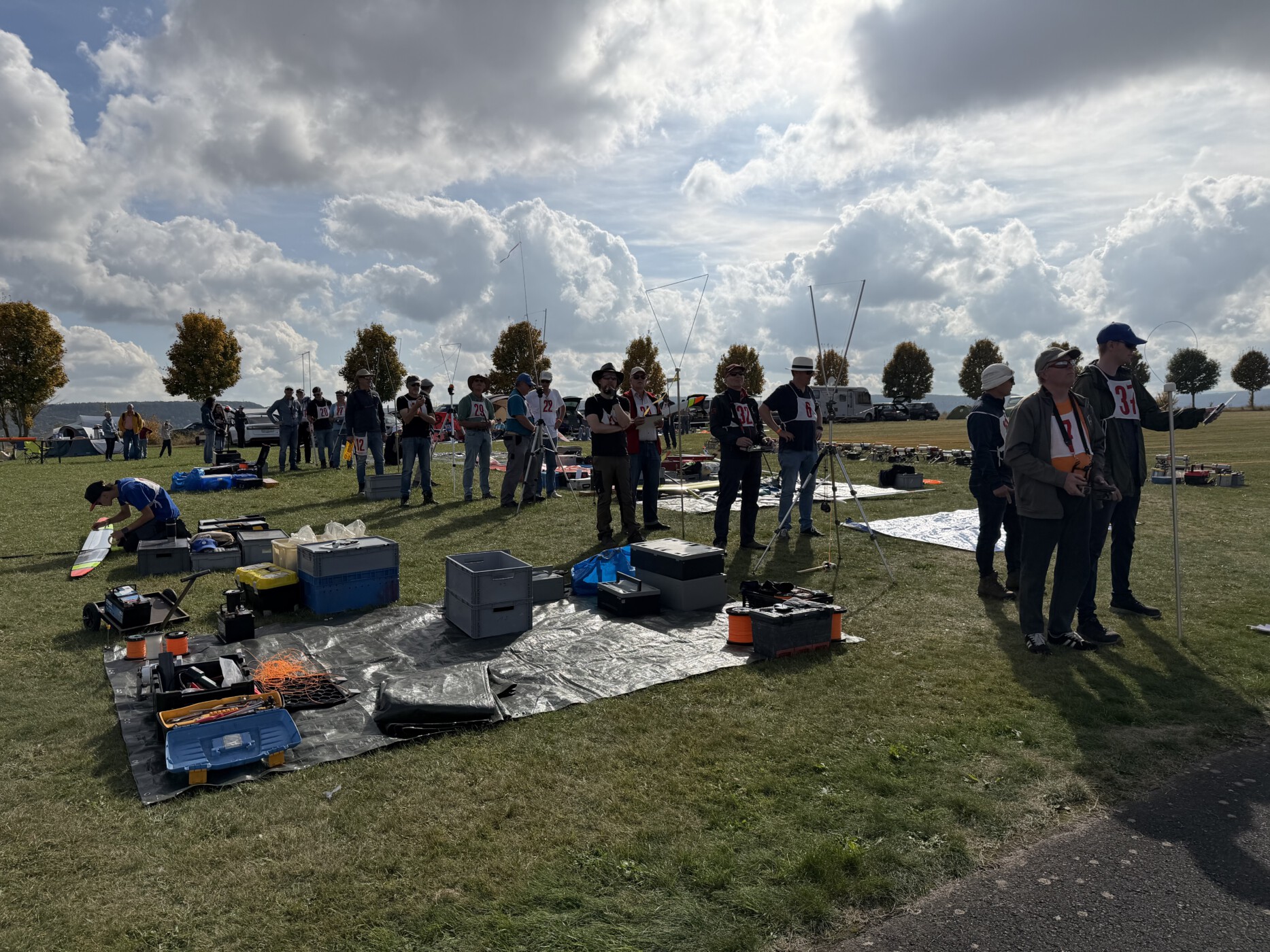
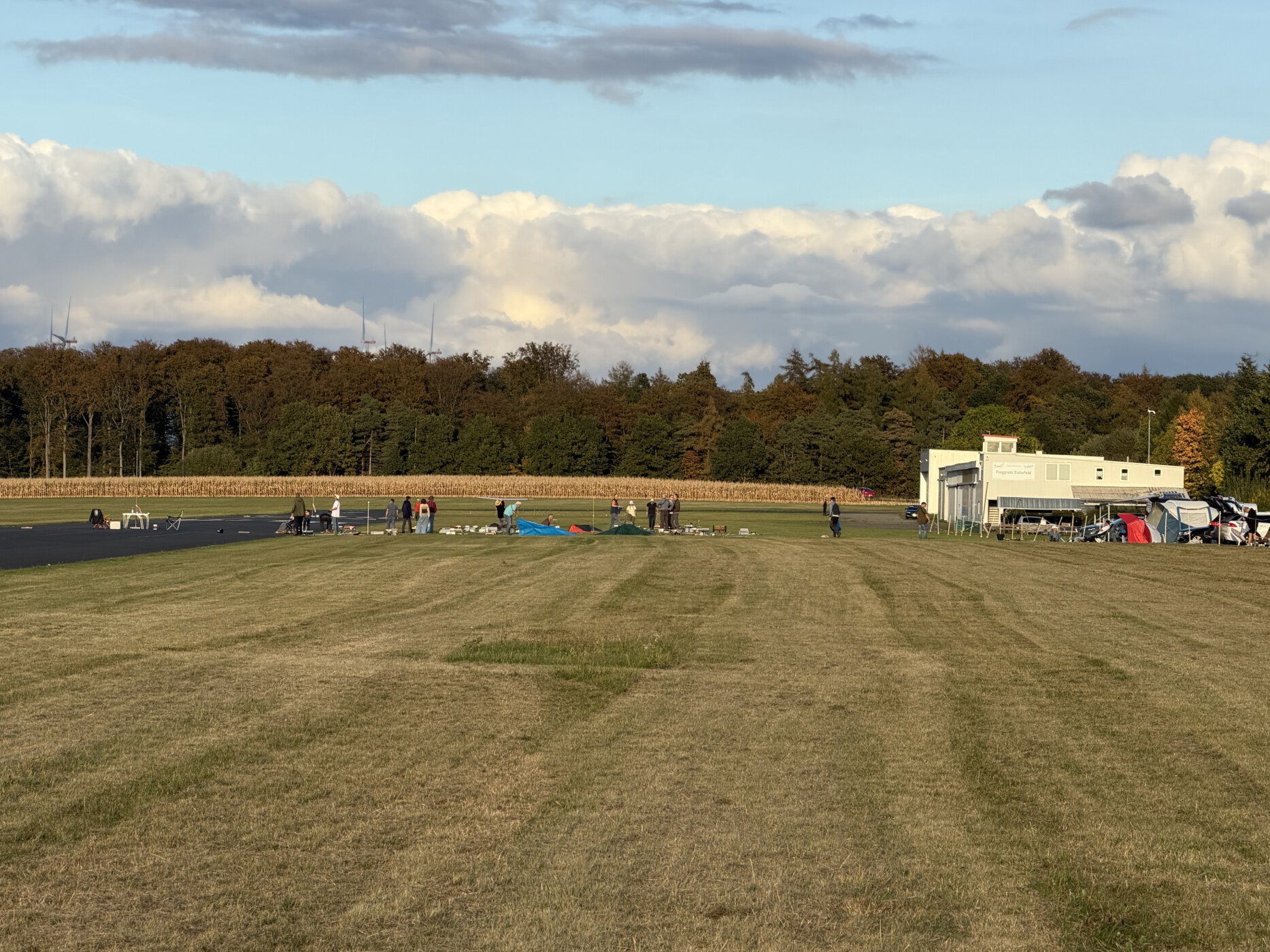
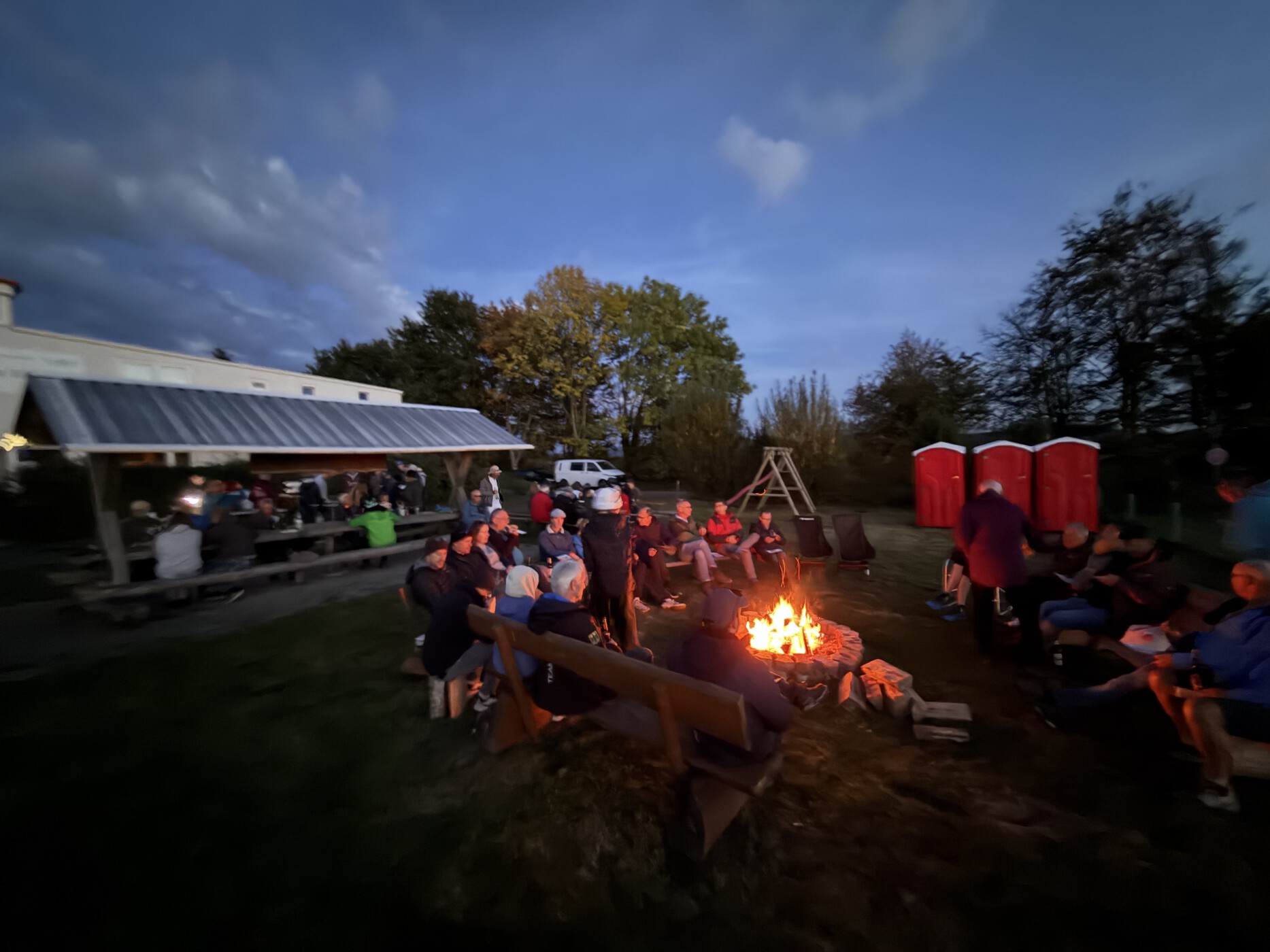
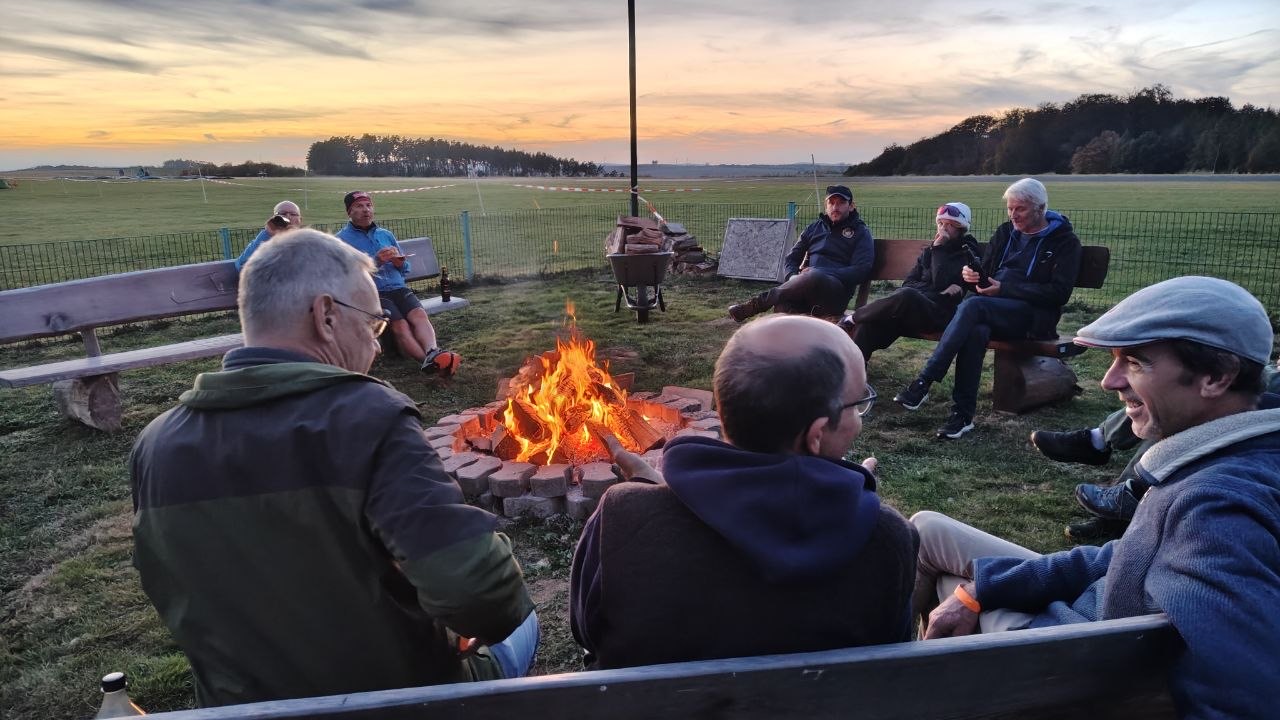
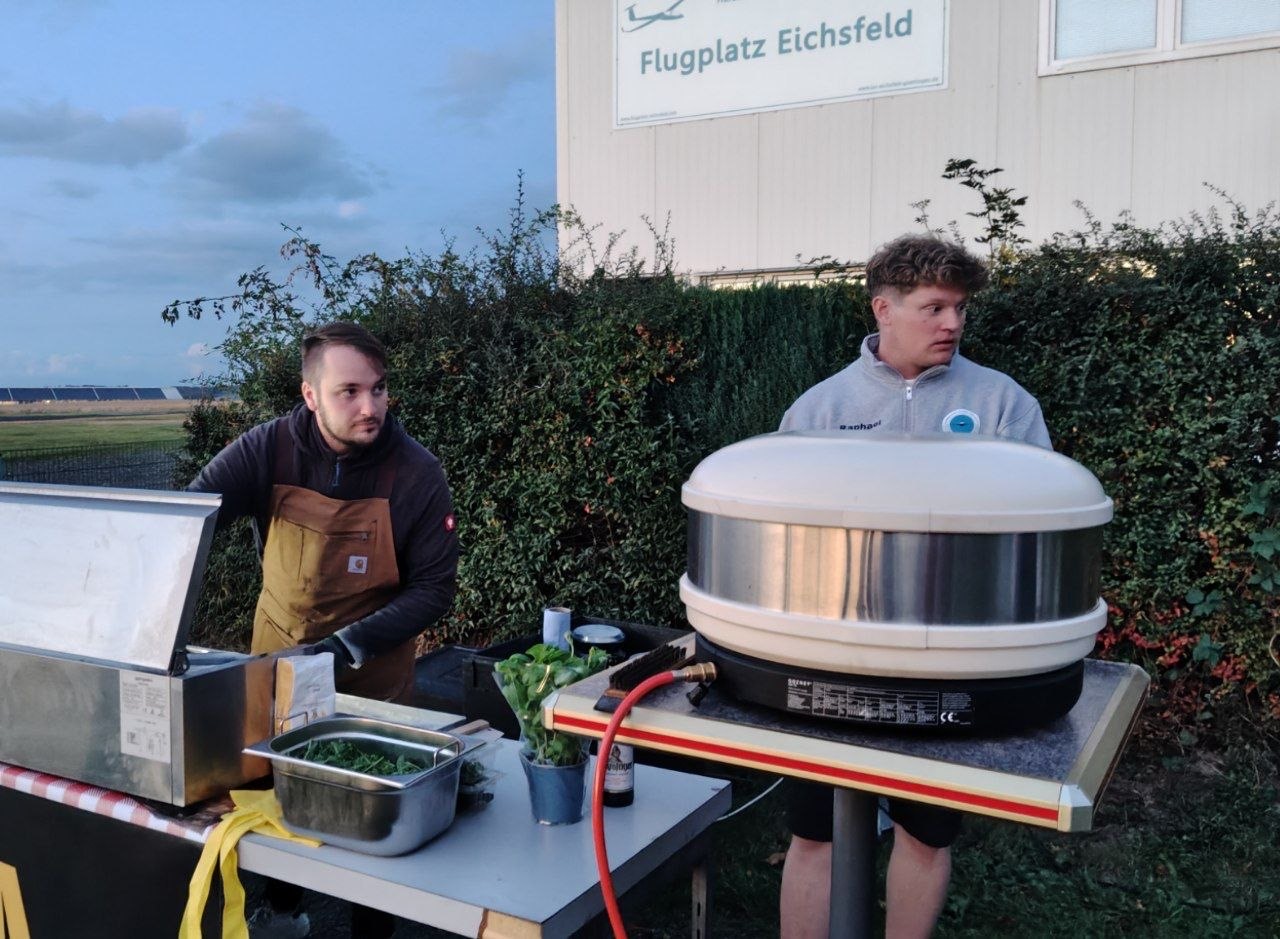
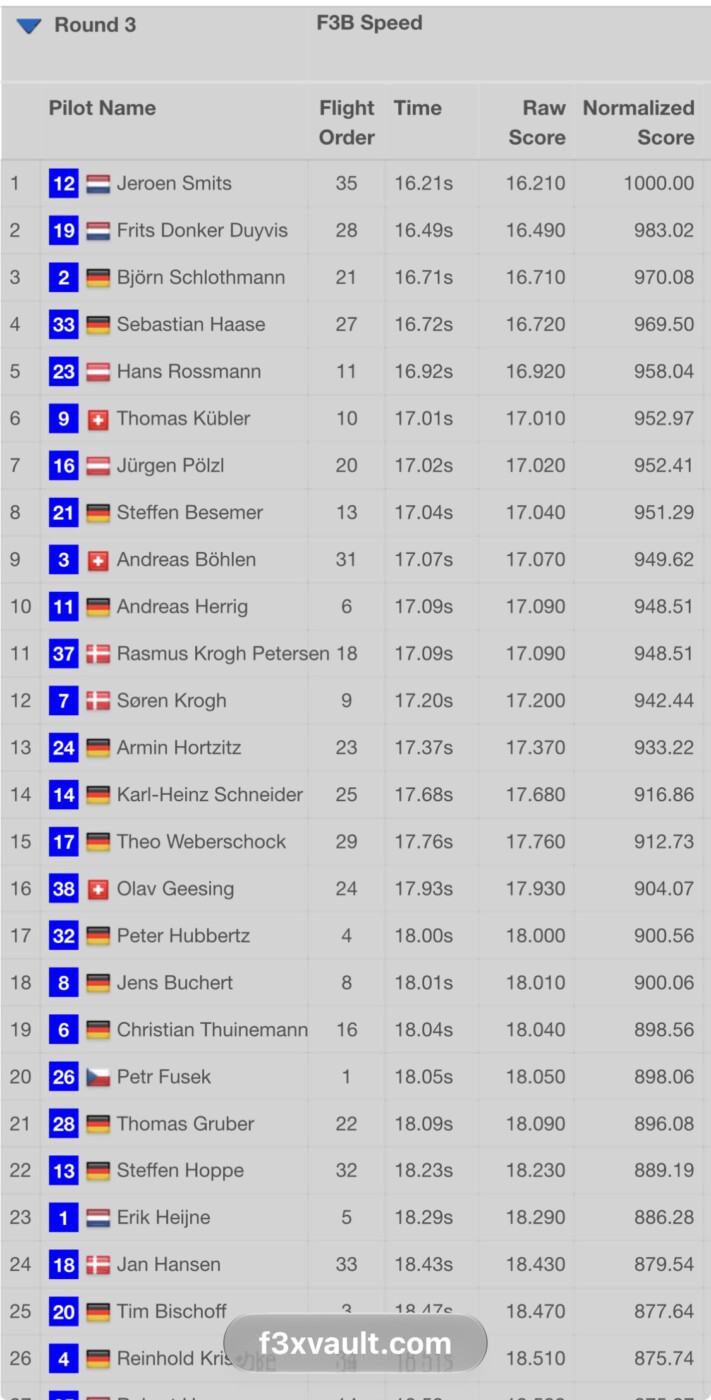
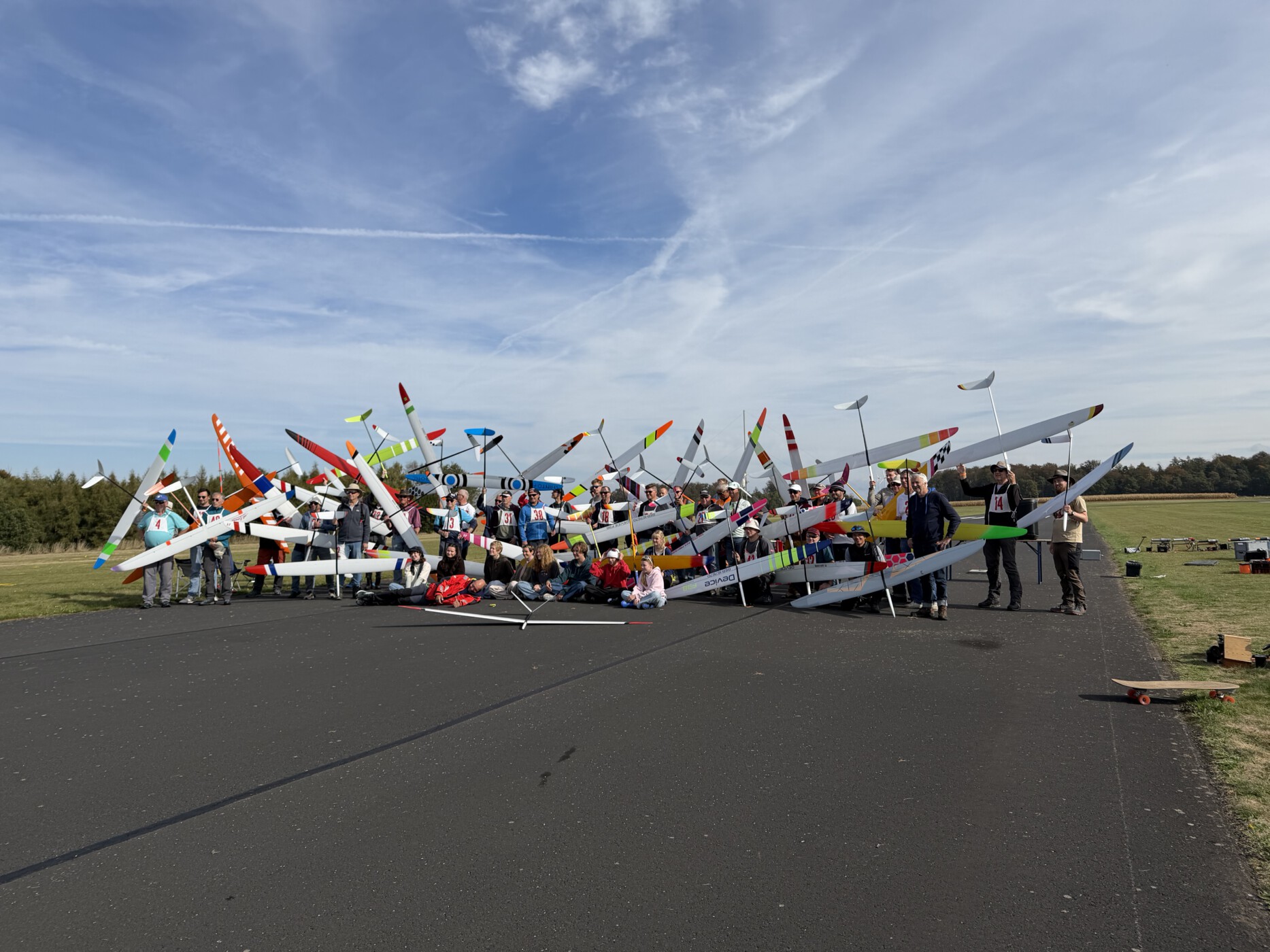
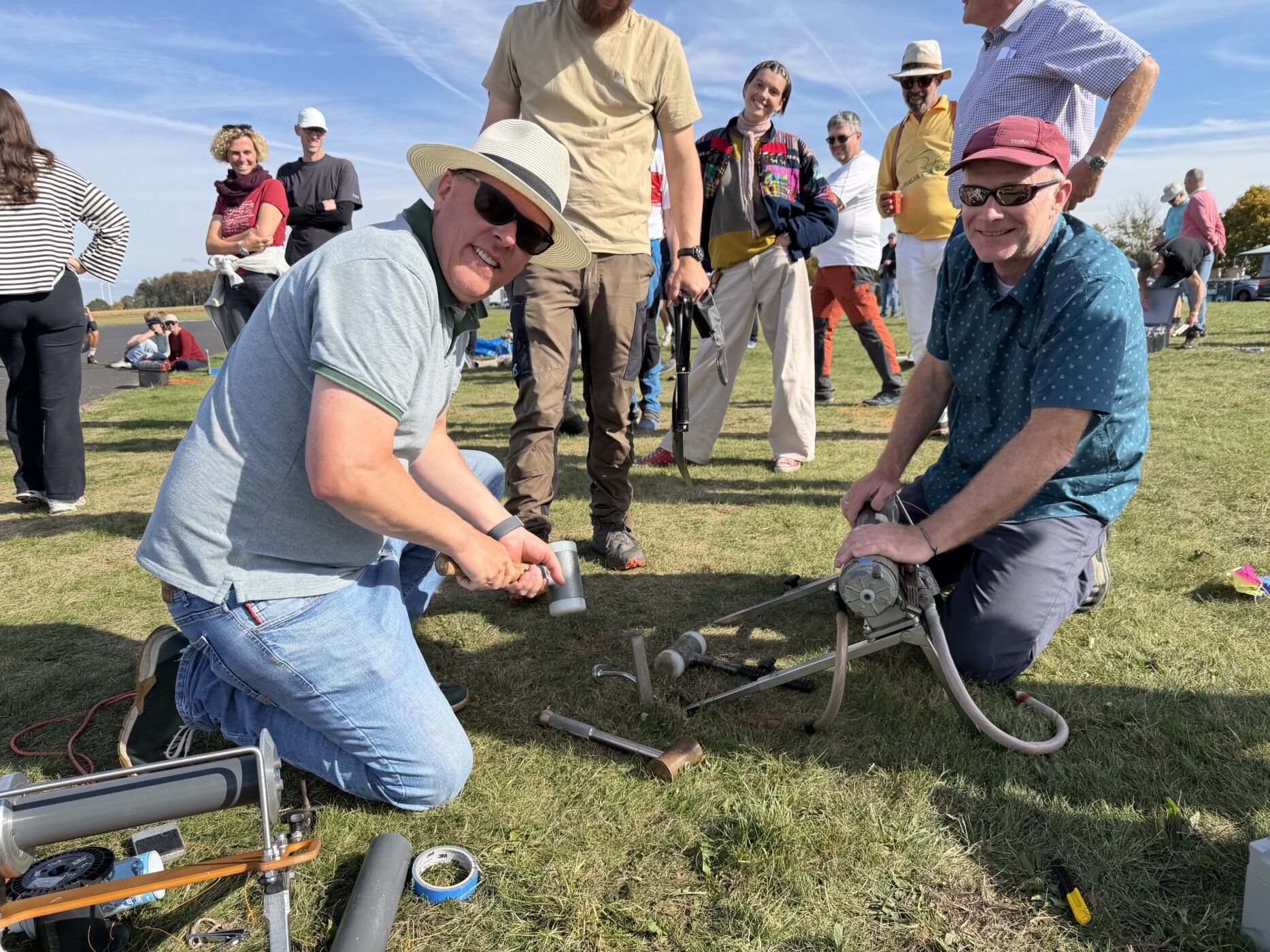
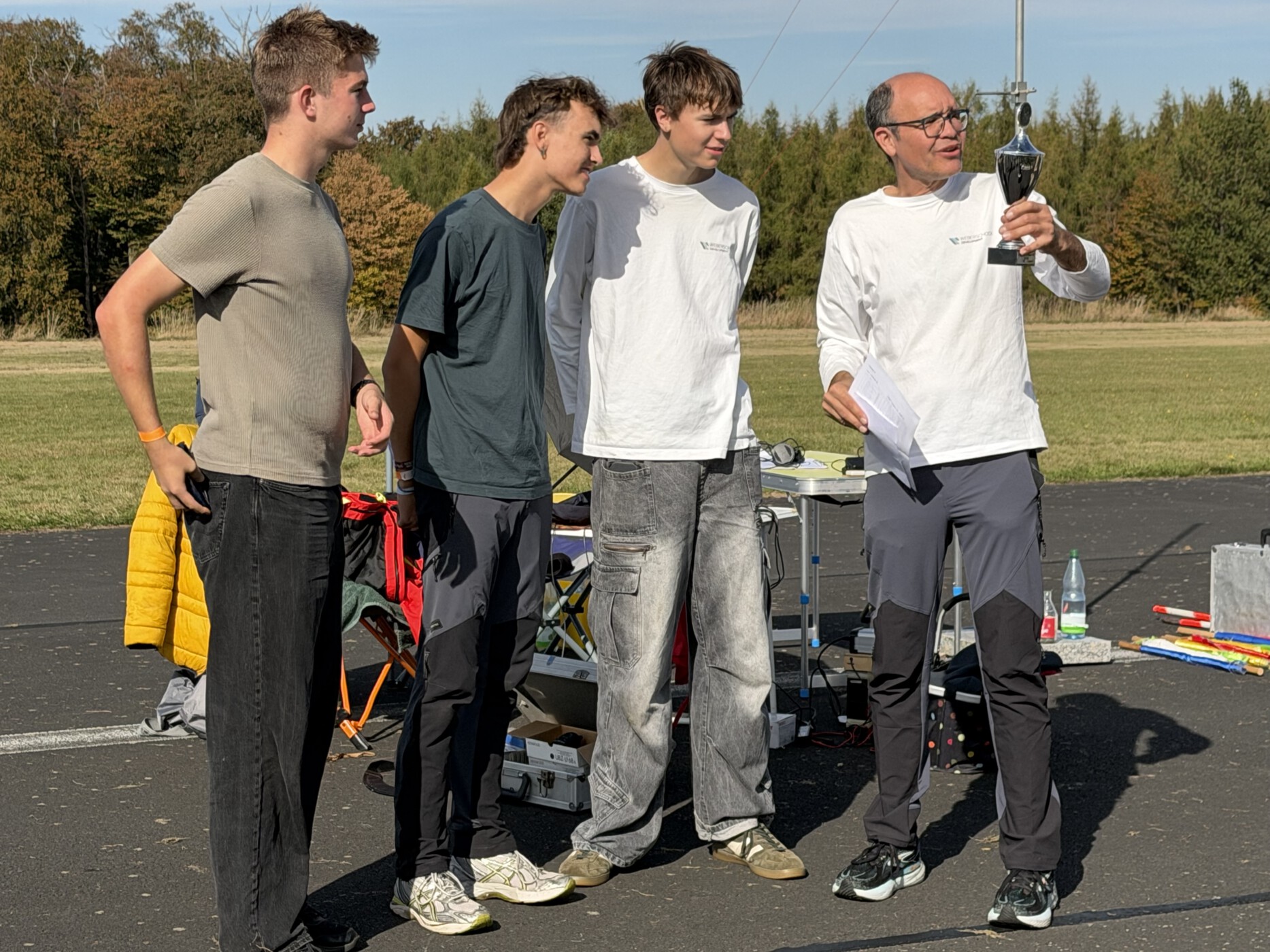
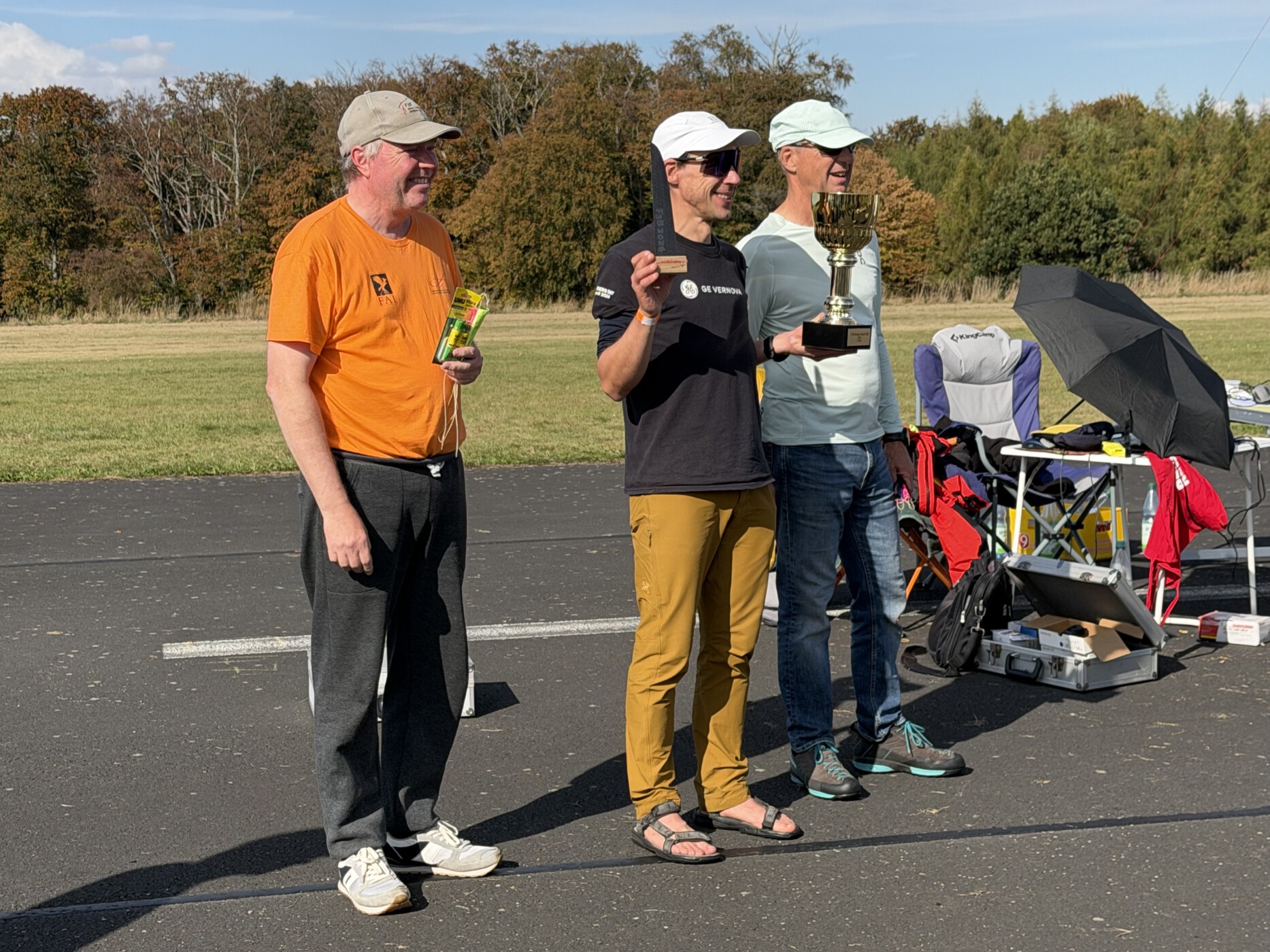
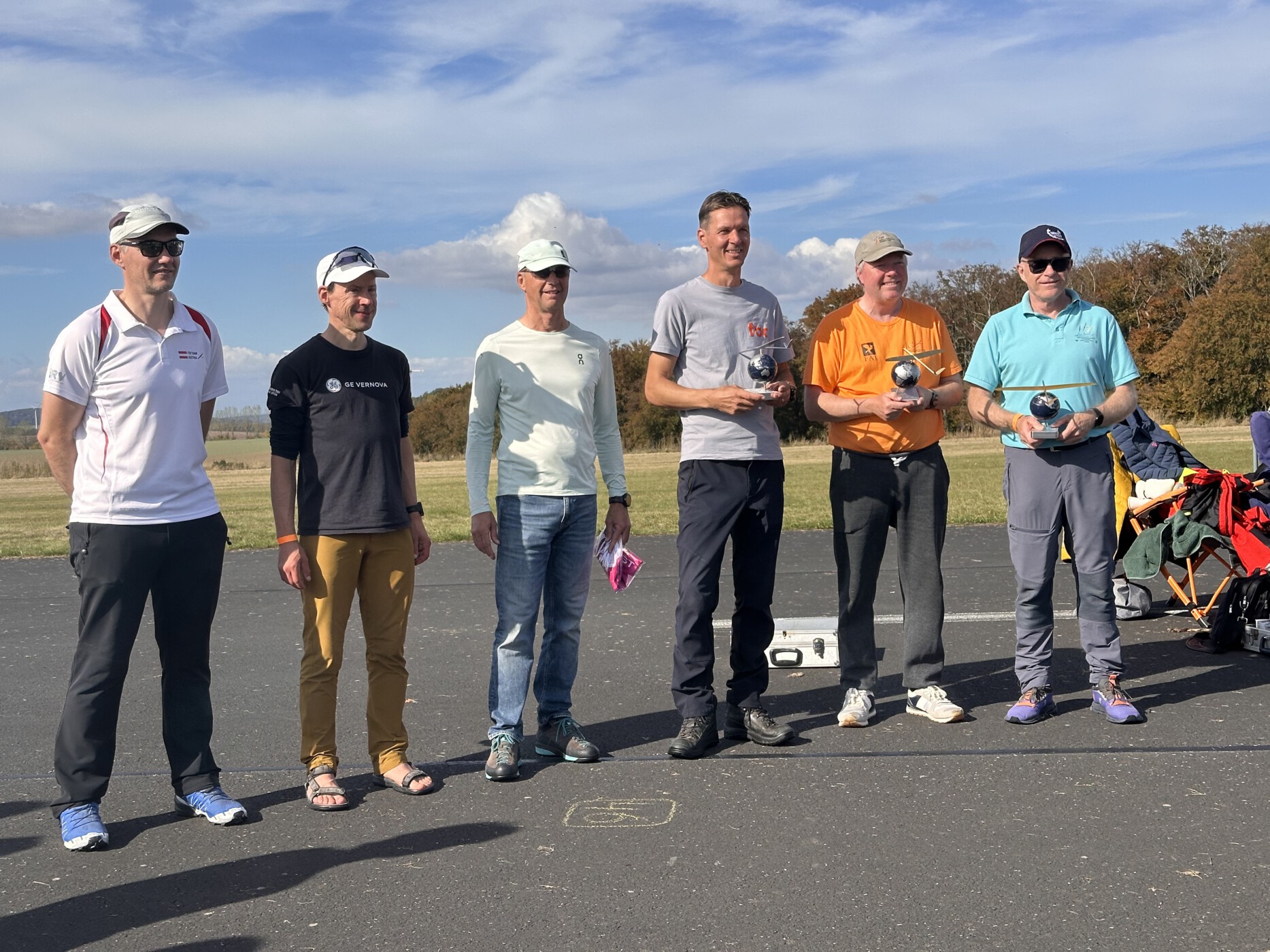
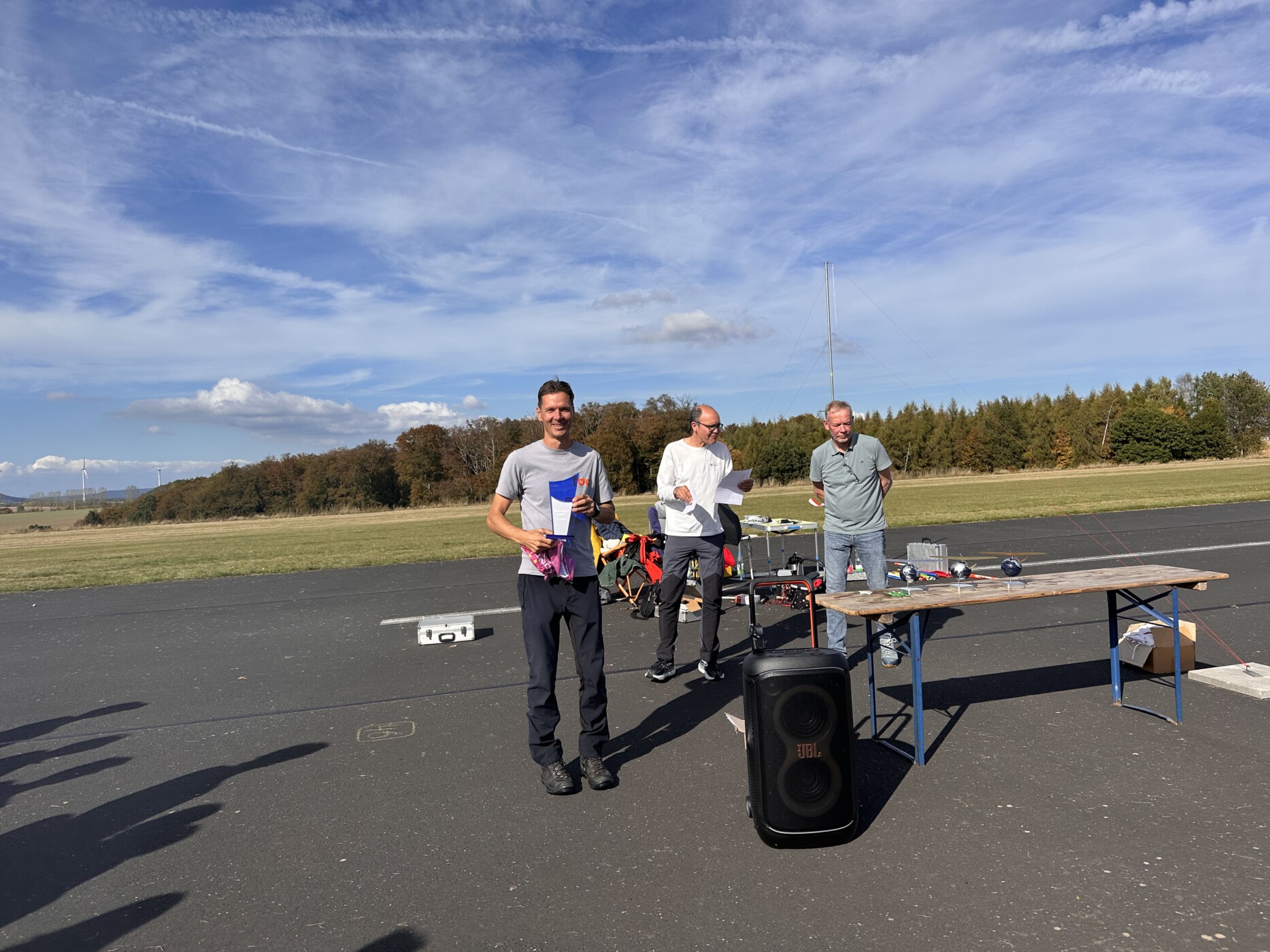


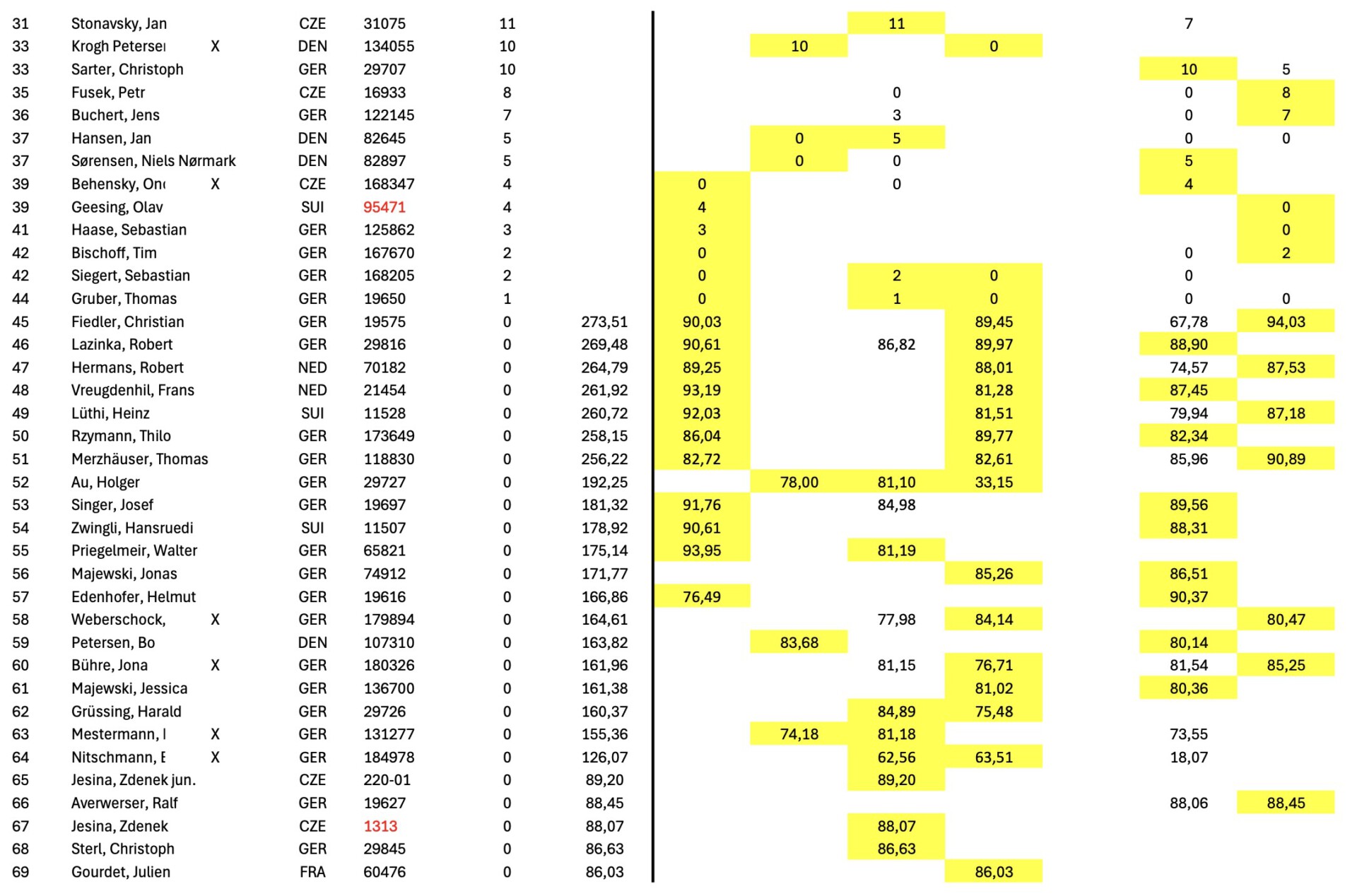

https://f3xvault.com/?action=event&function=event_view&event_id=4138
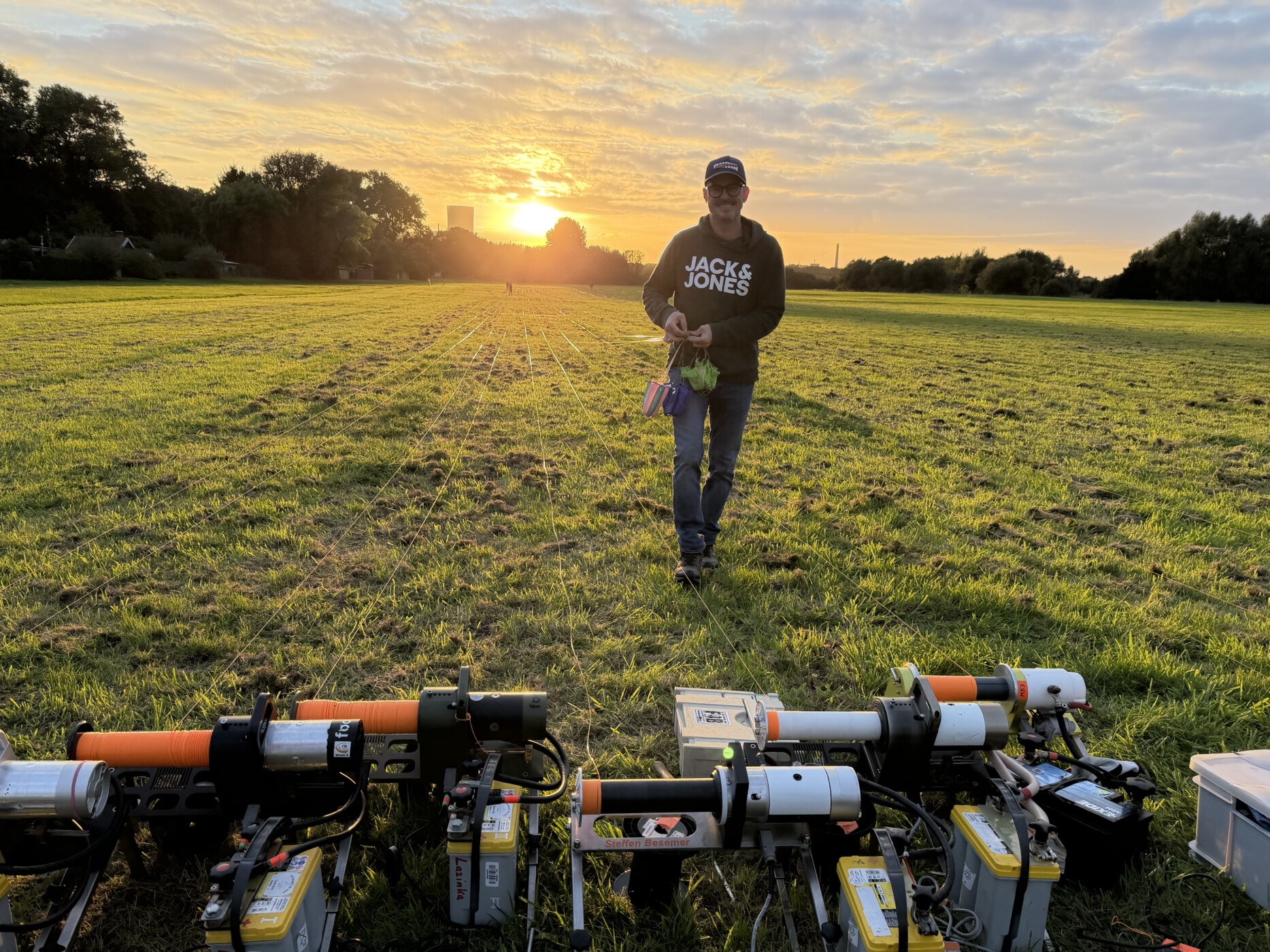
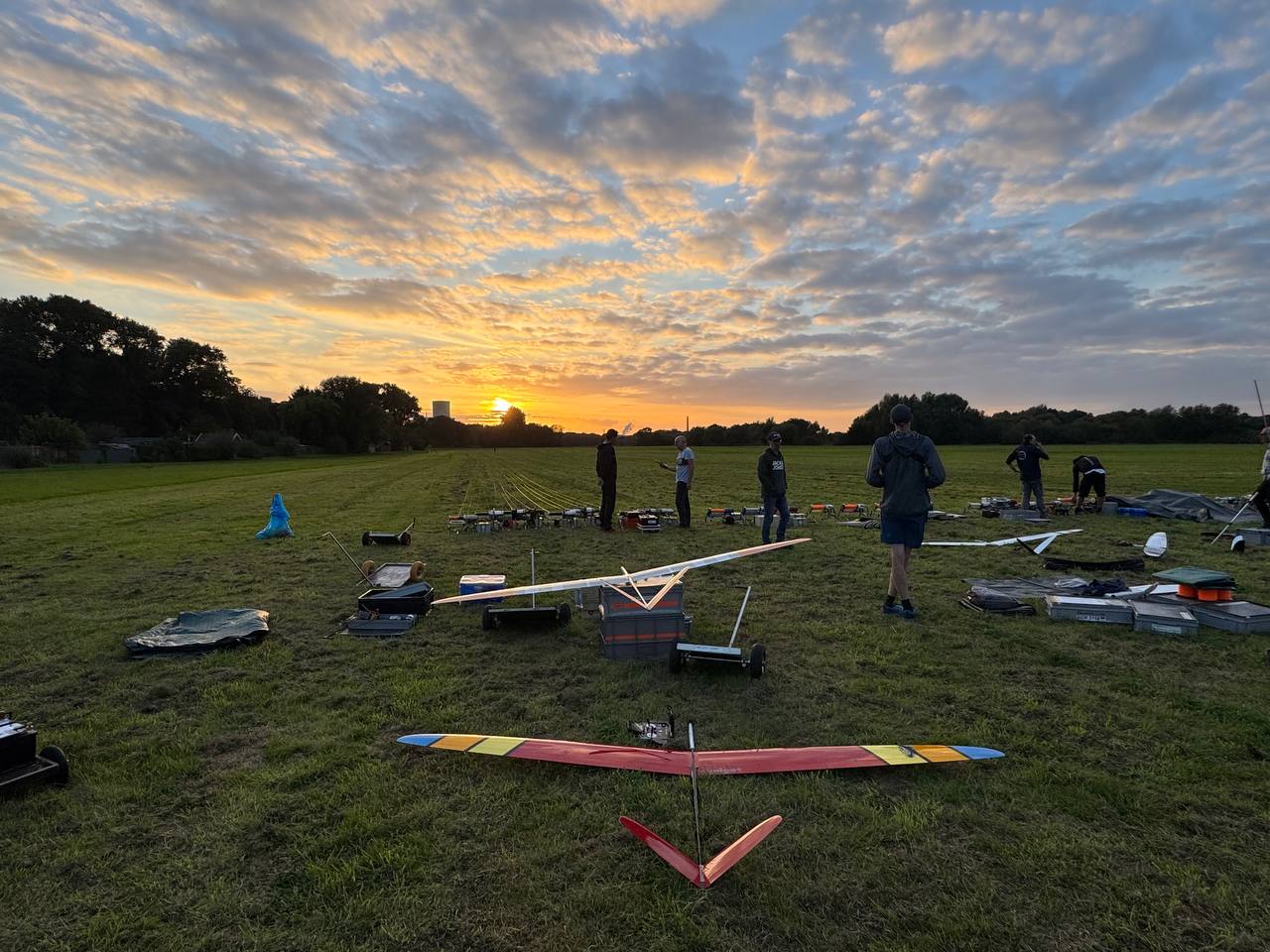
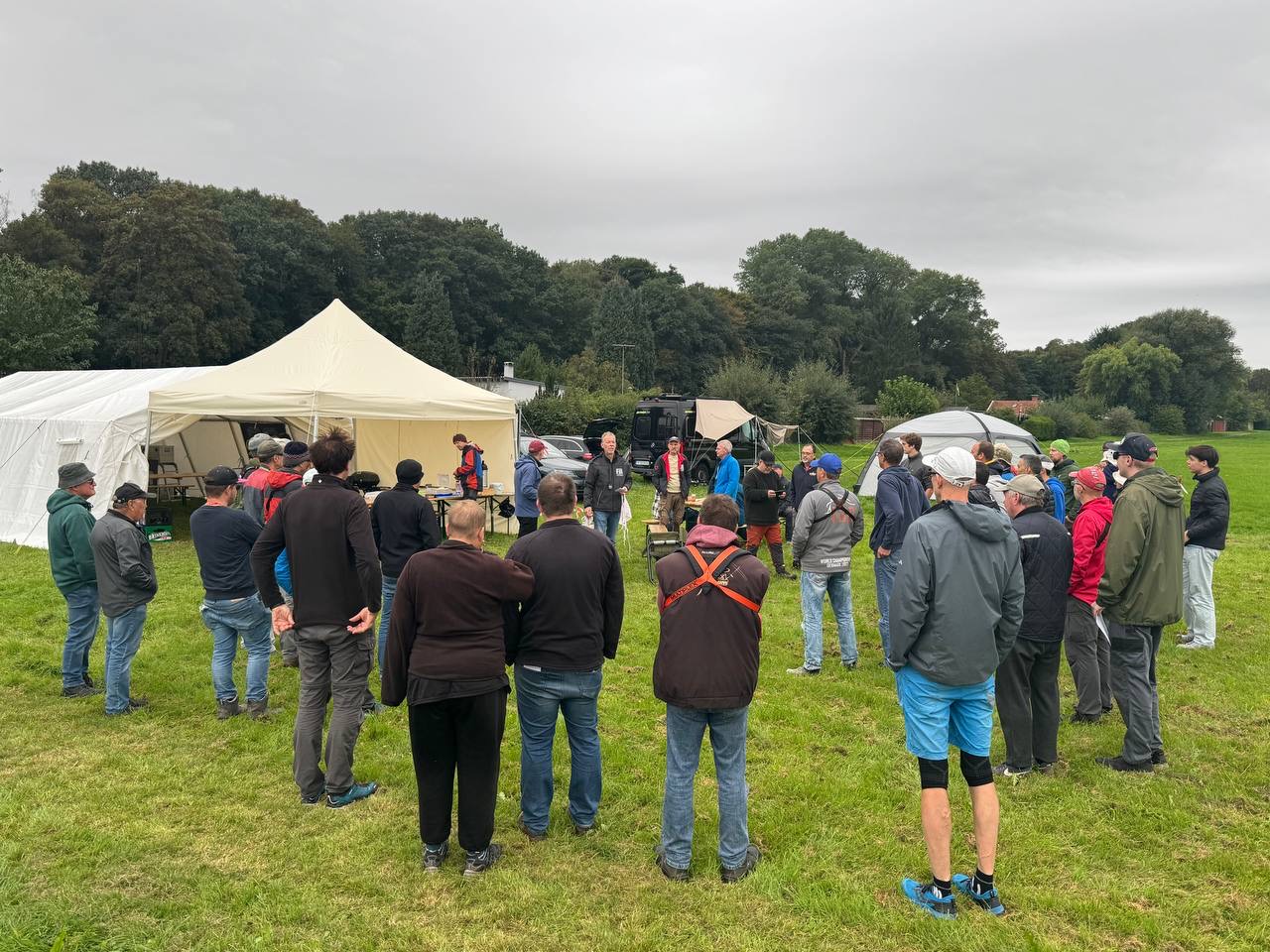
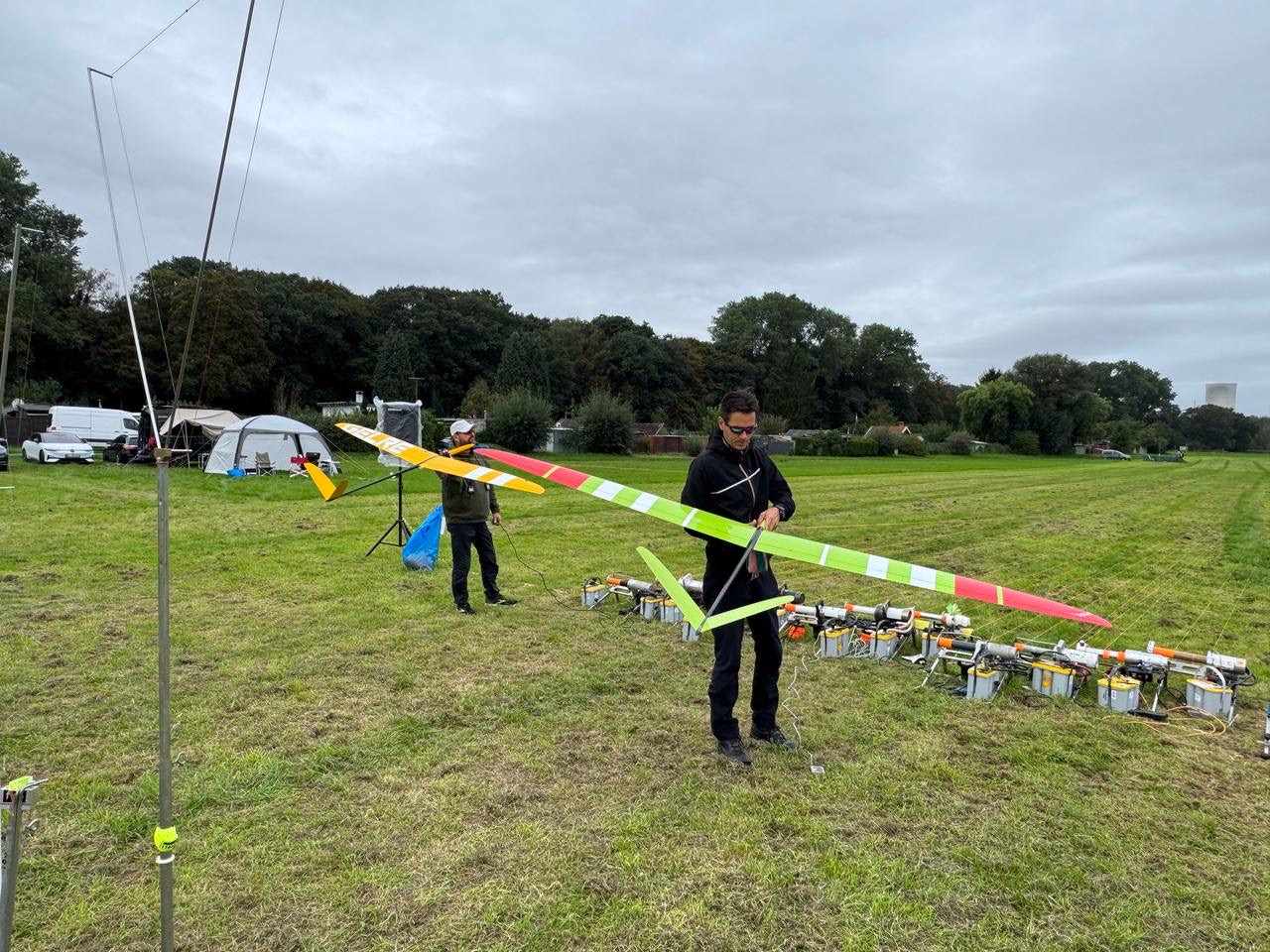
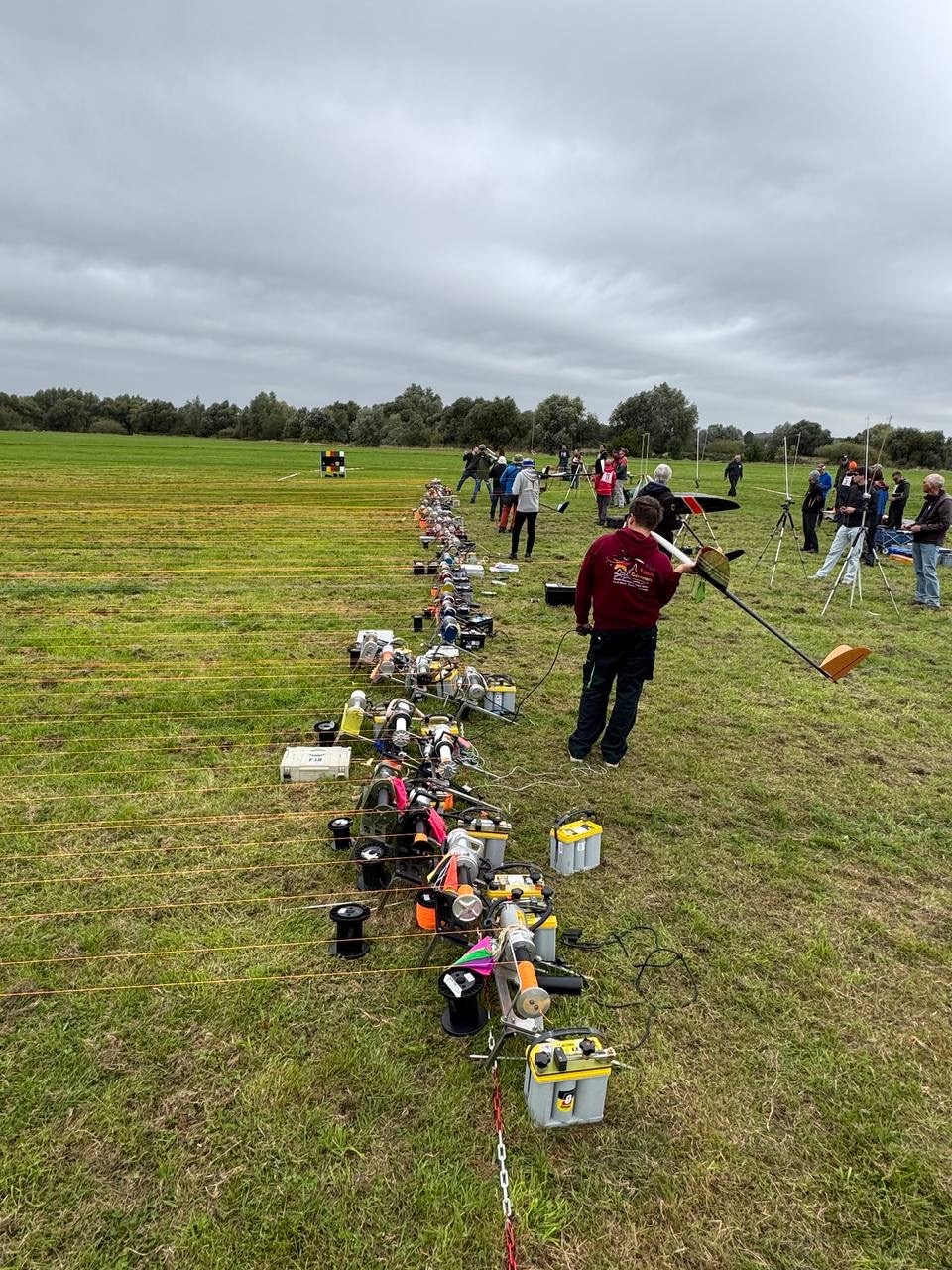
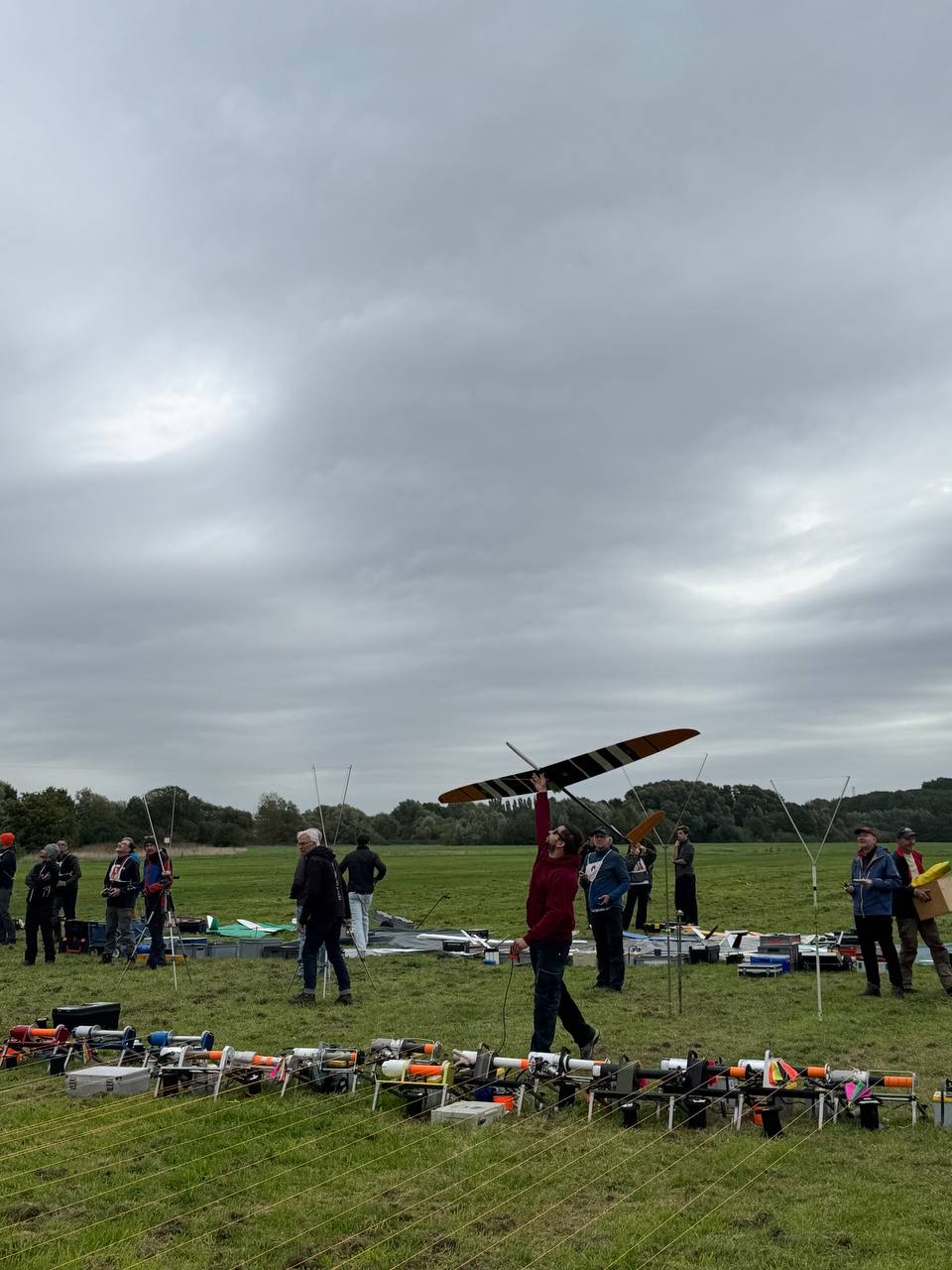
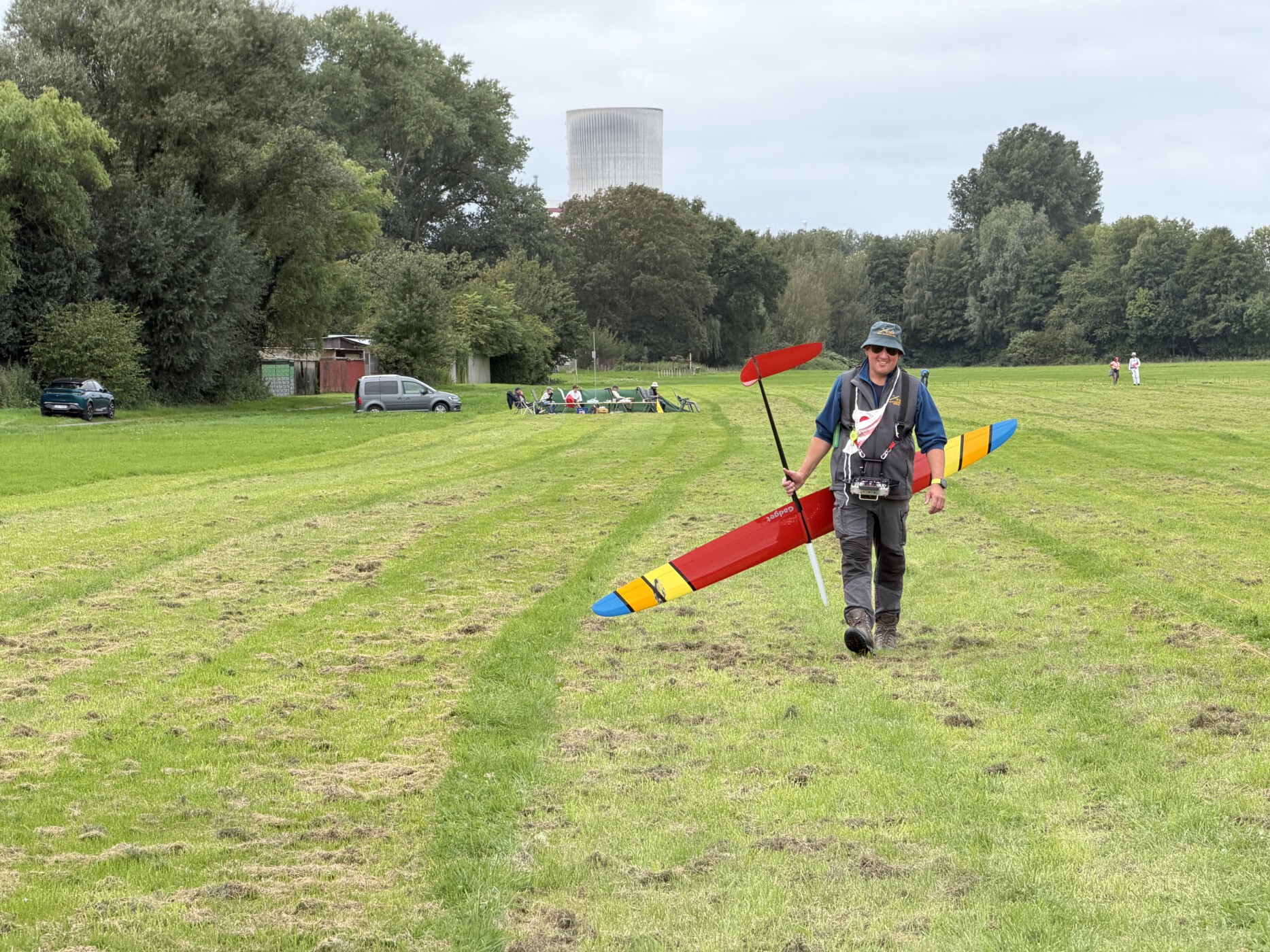
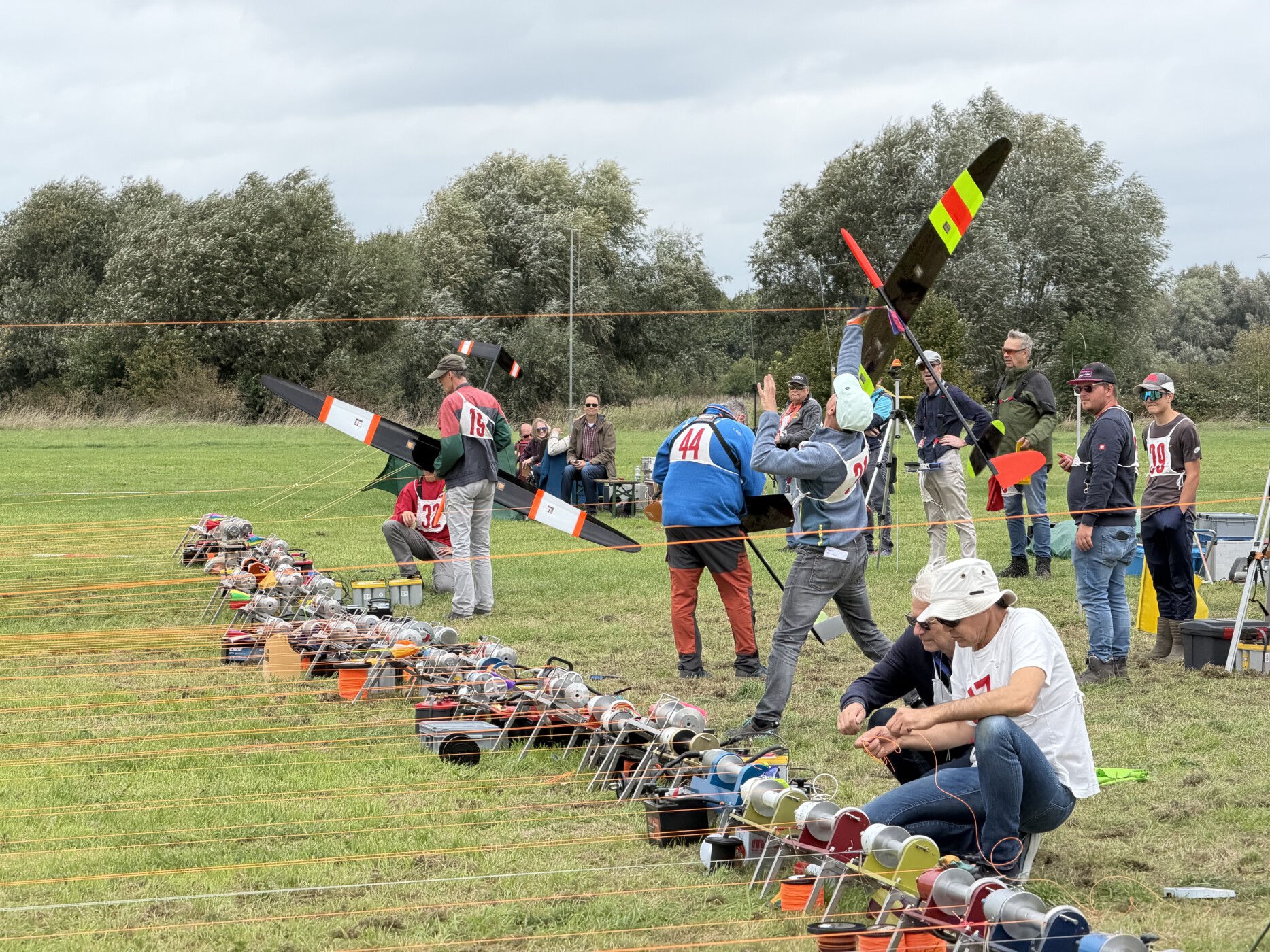
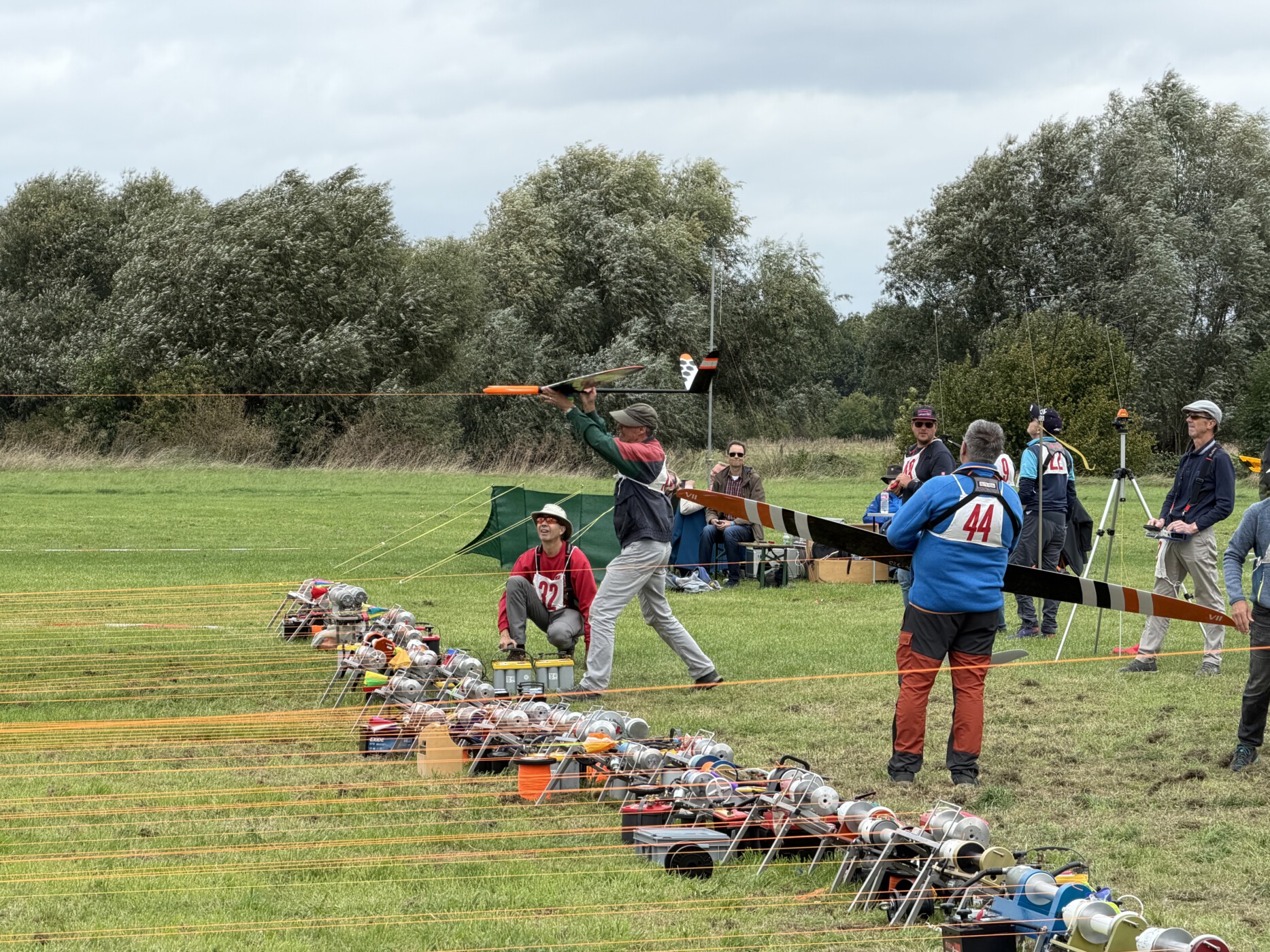
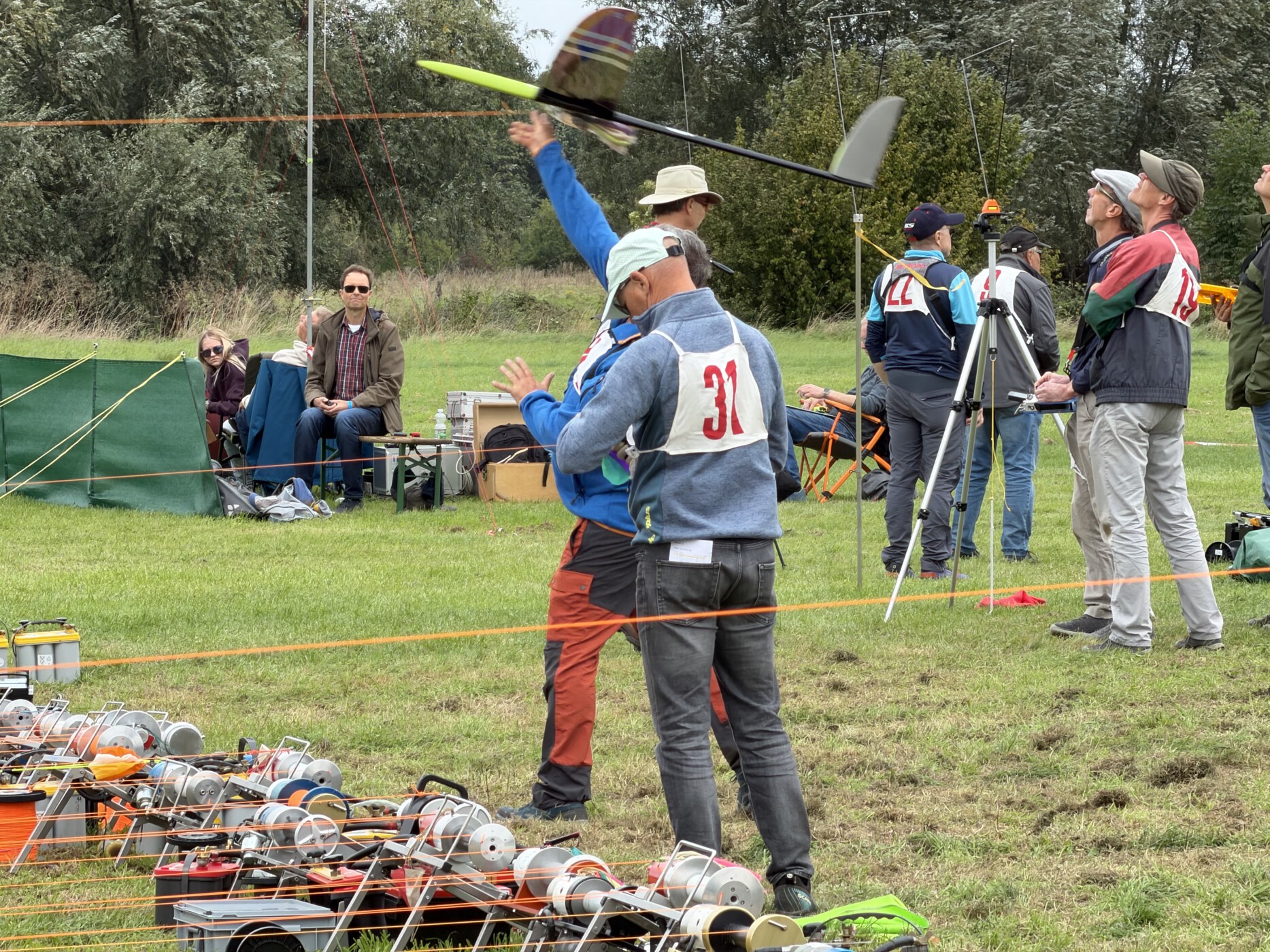
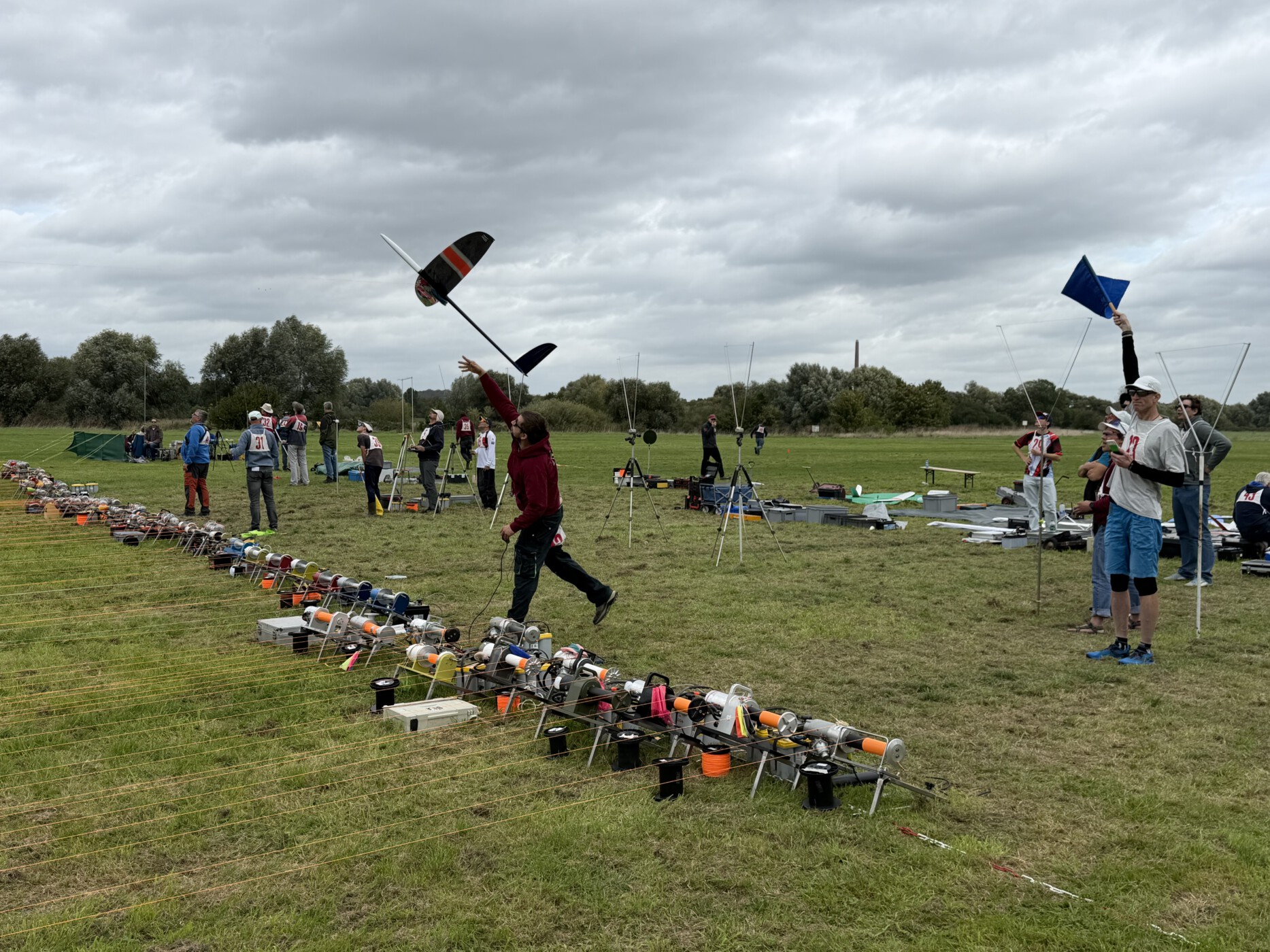
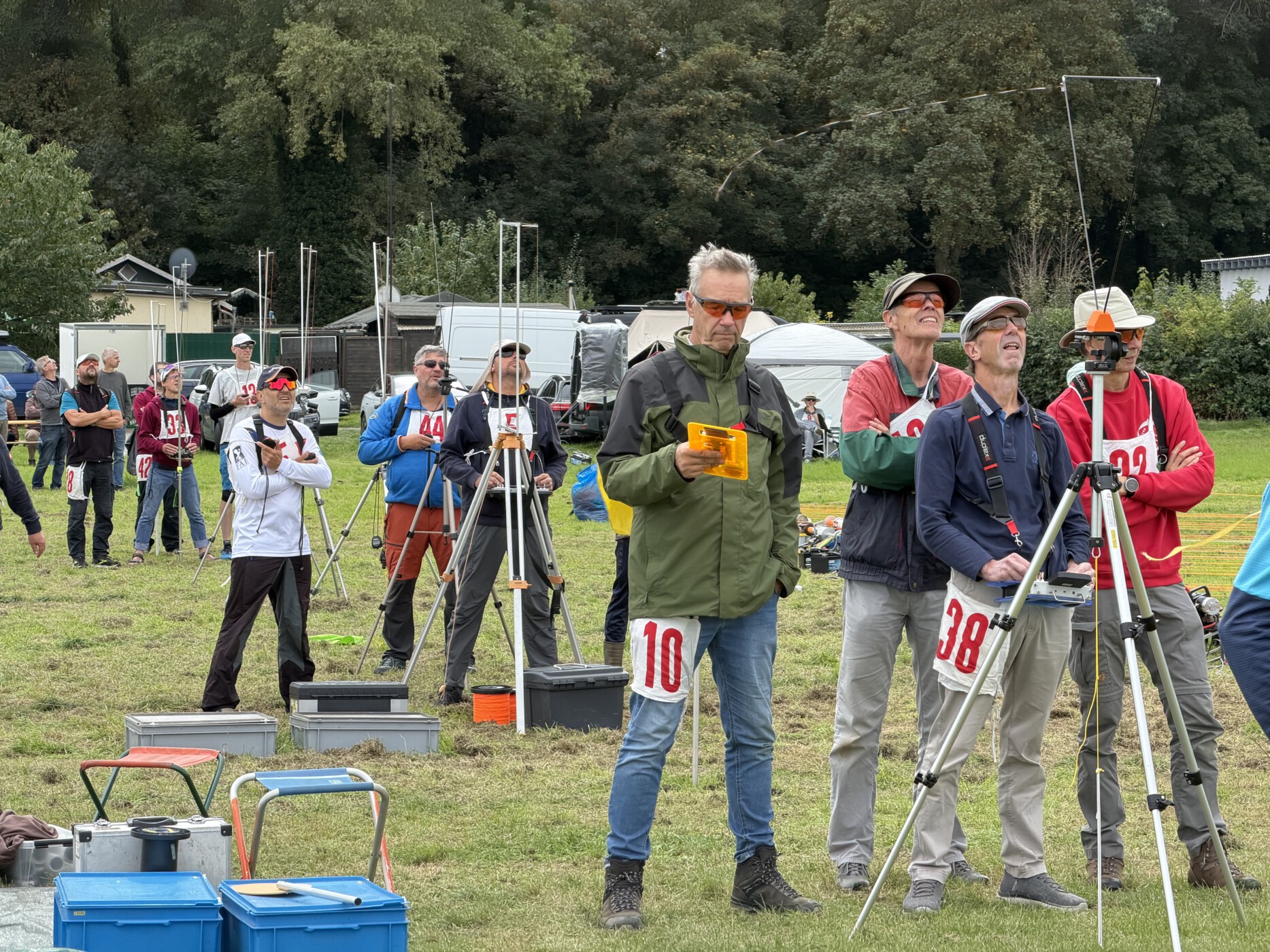
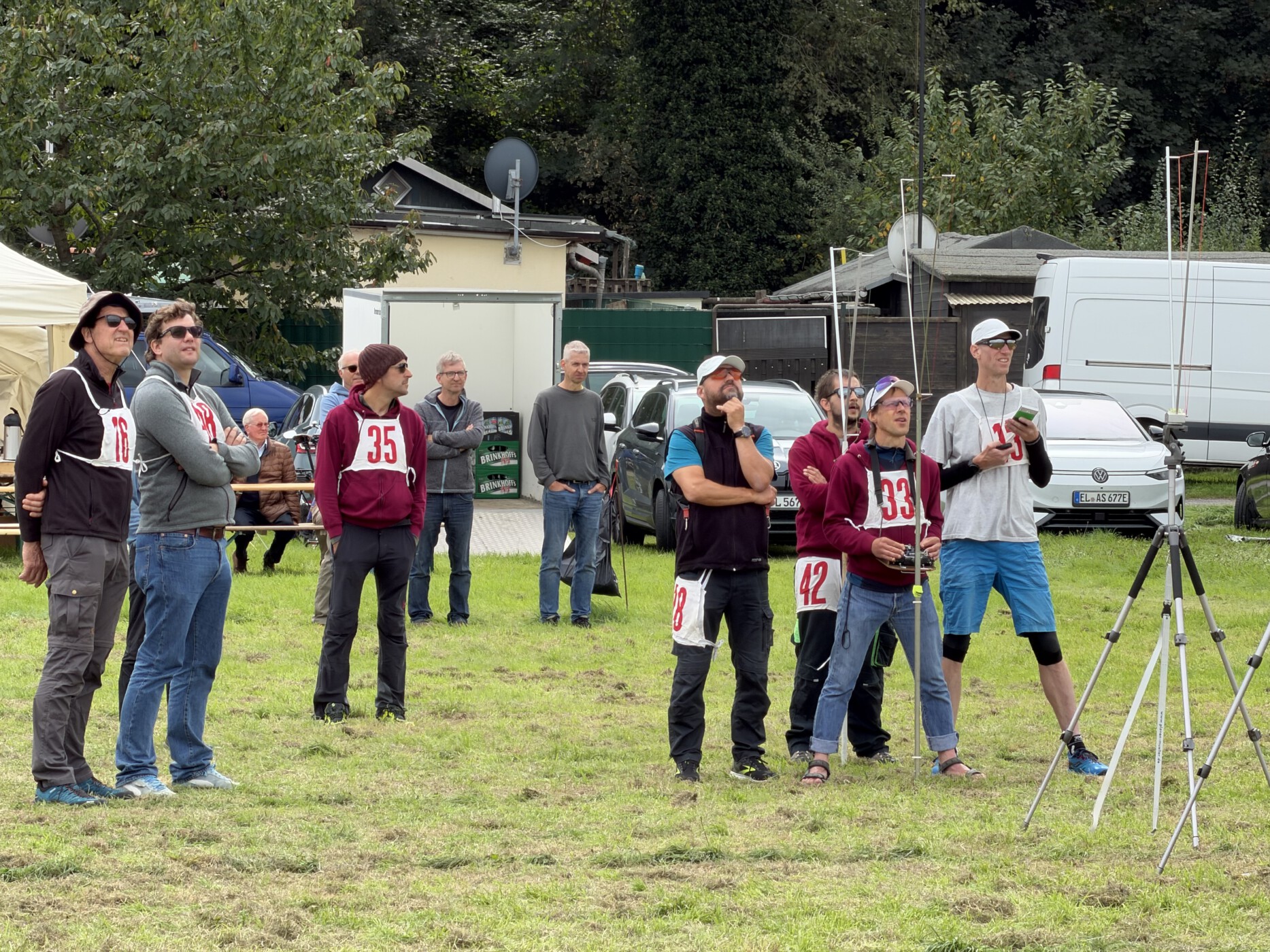
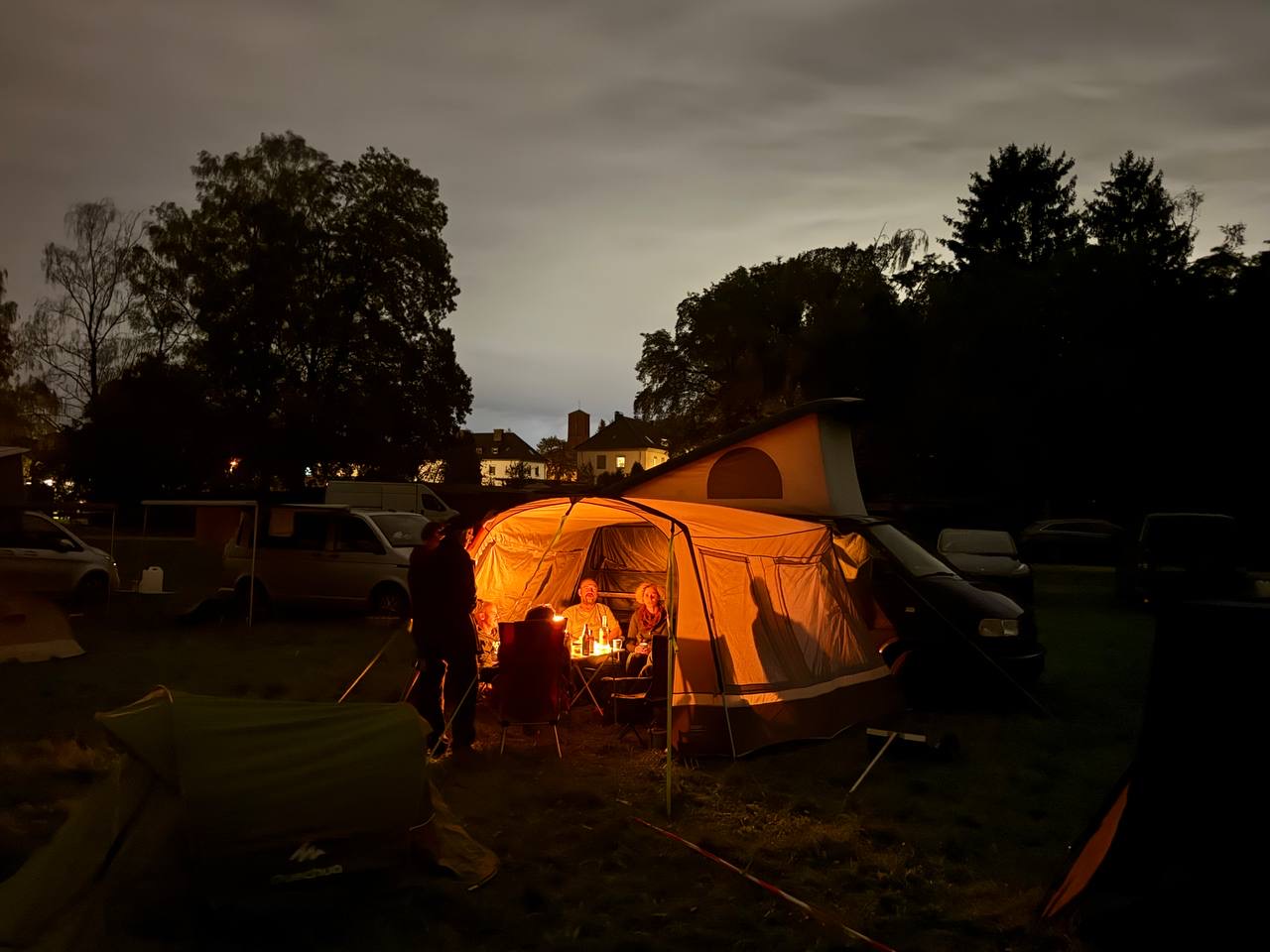
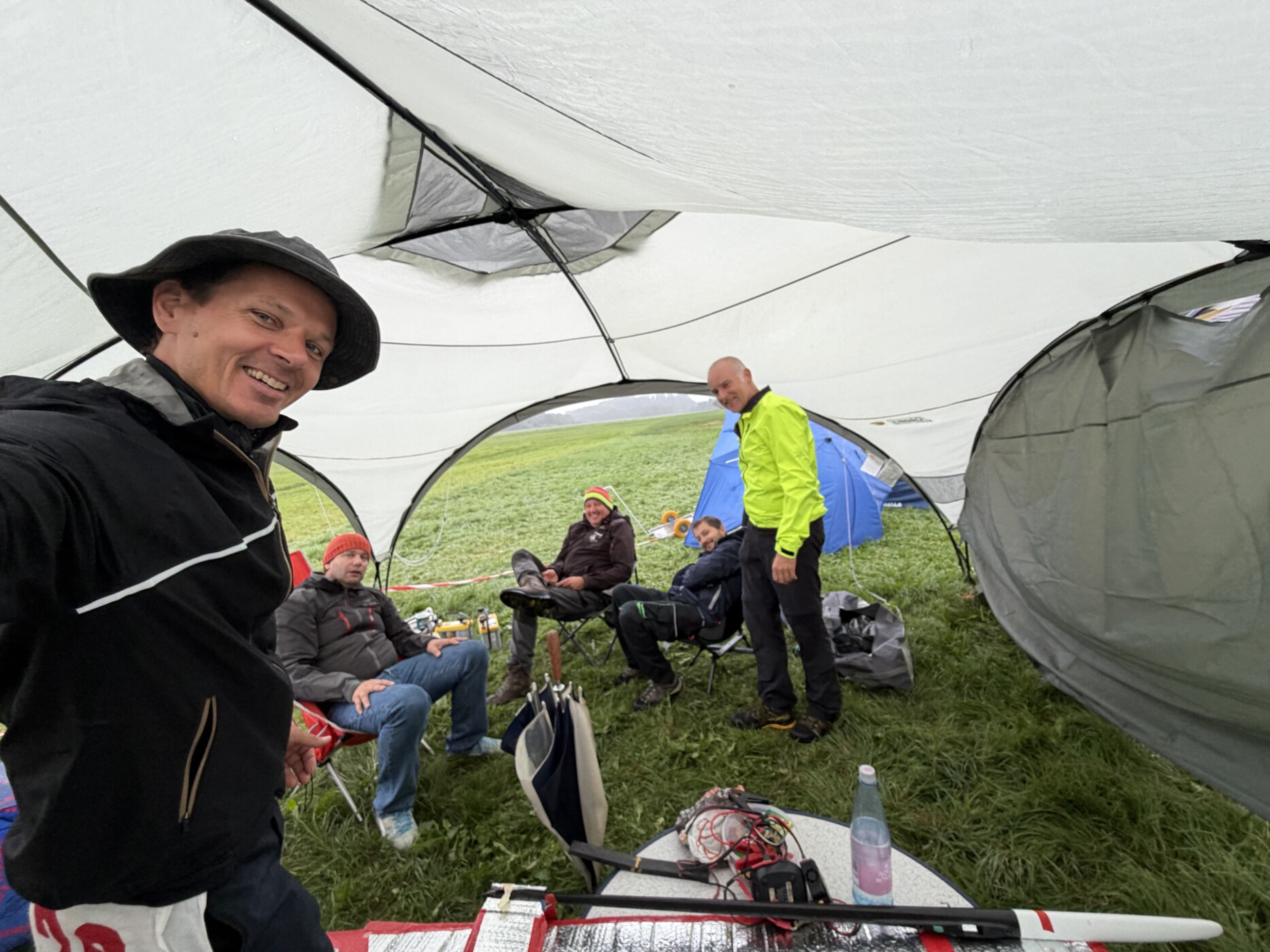
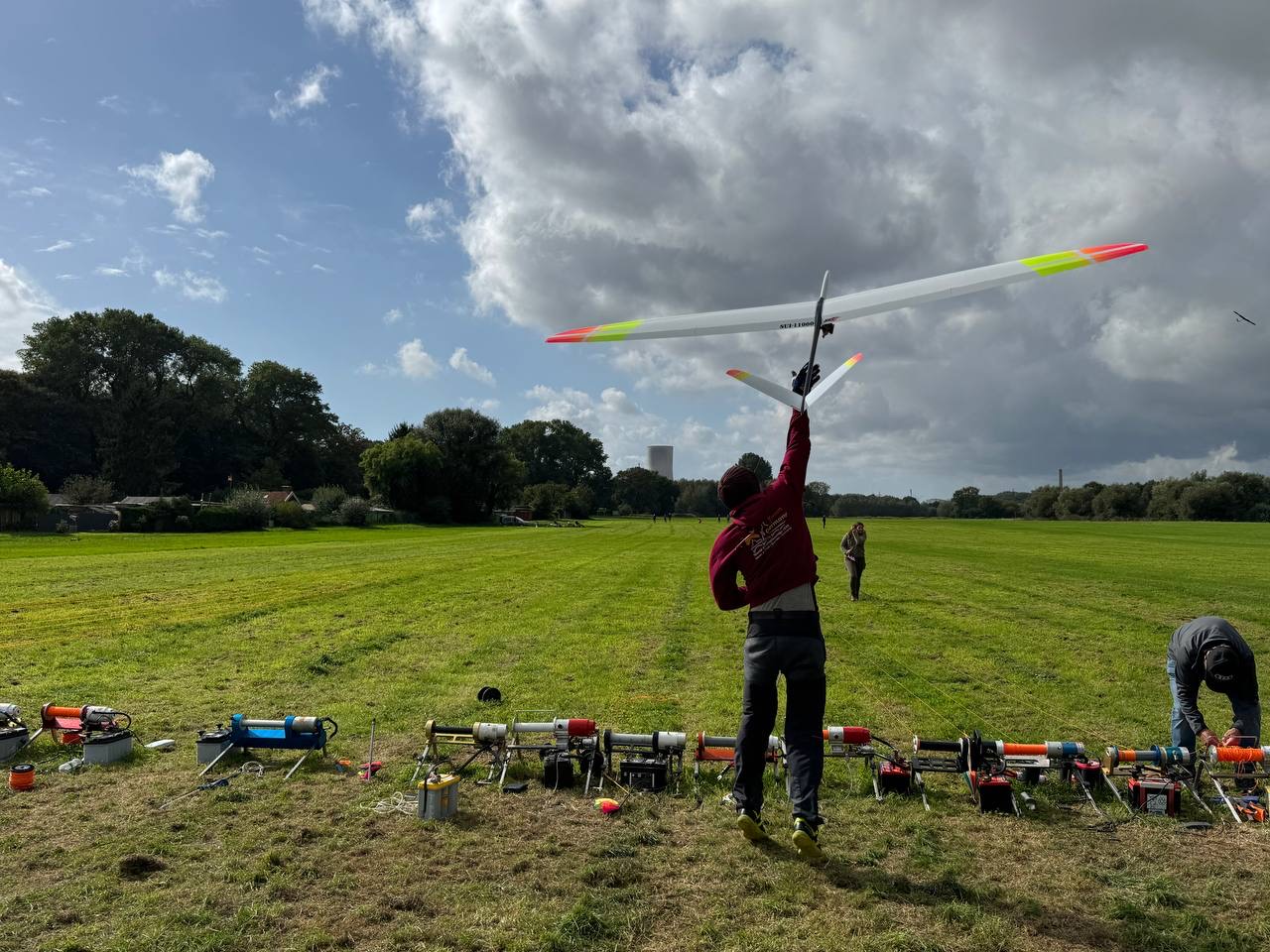
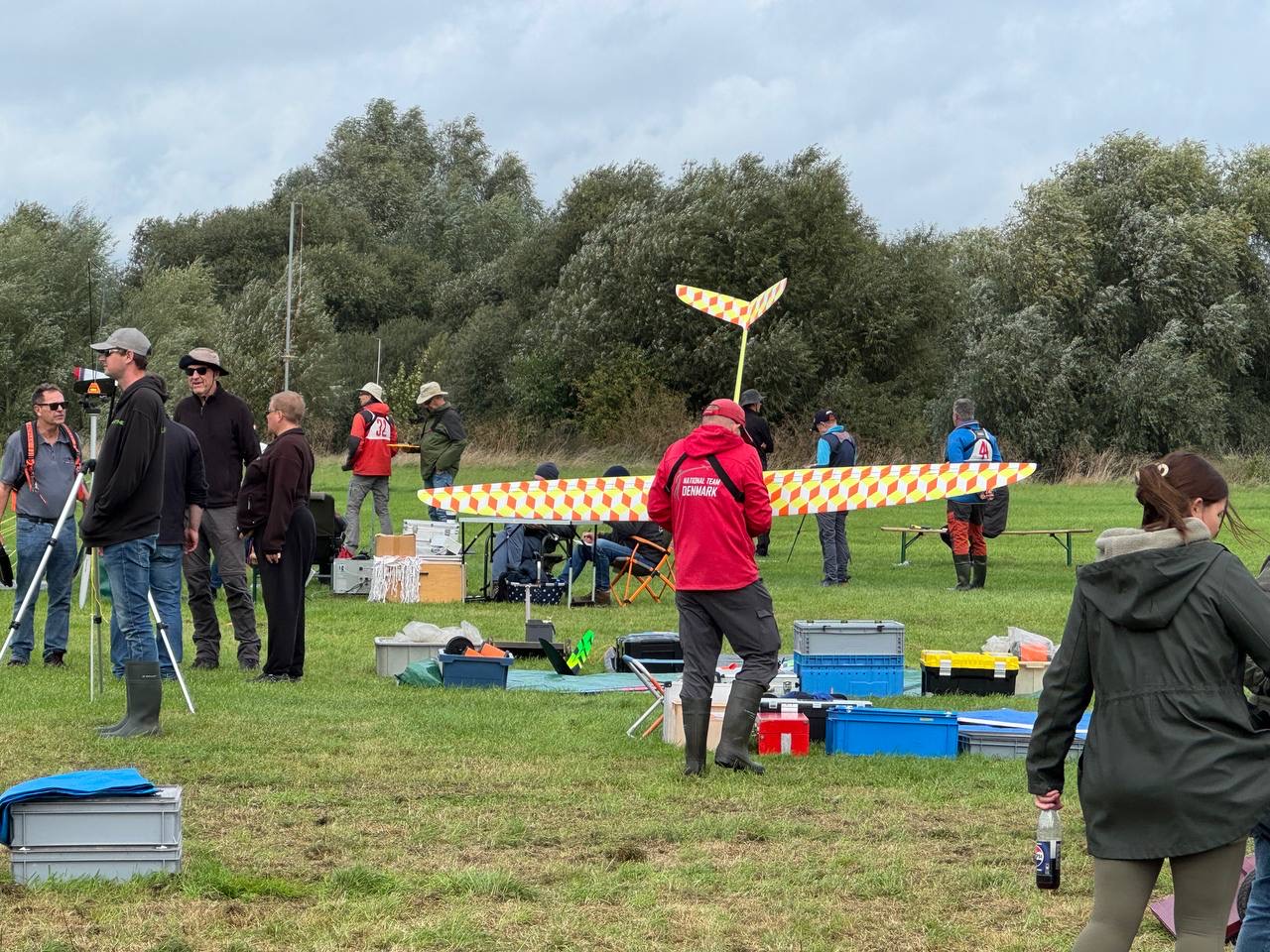
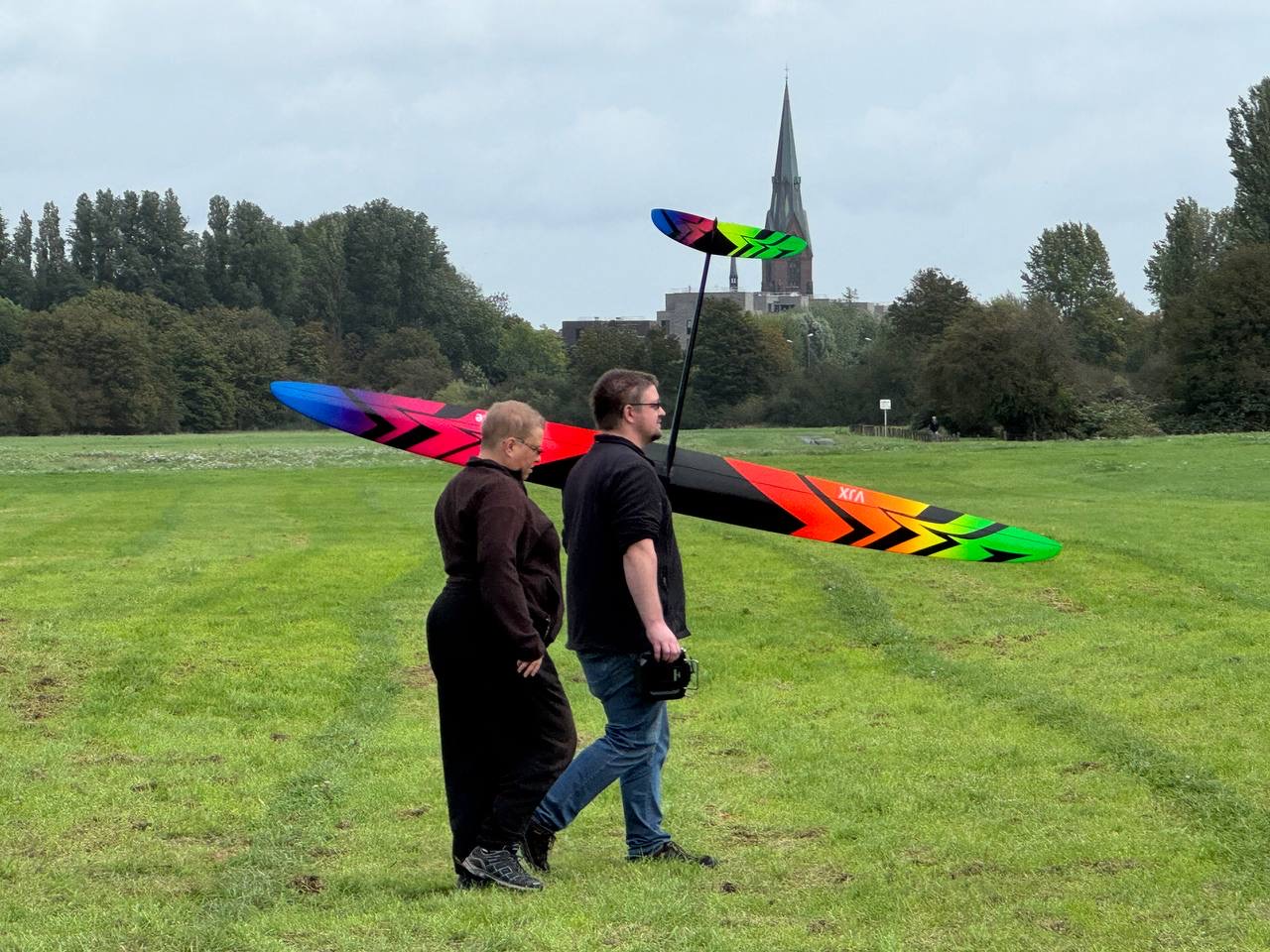
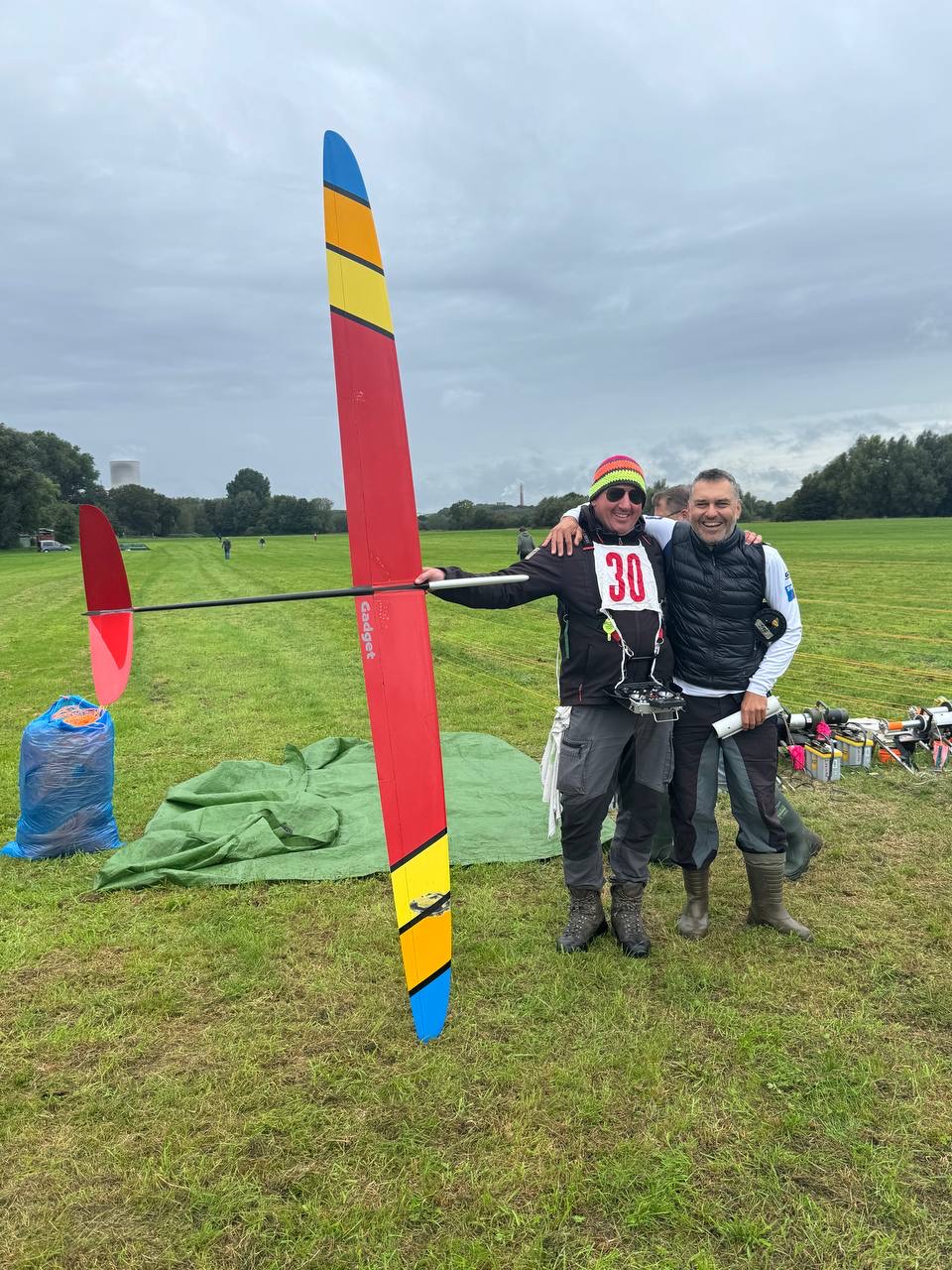
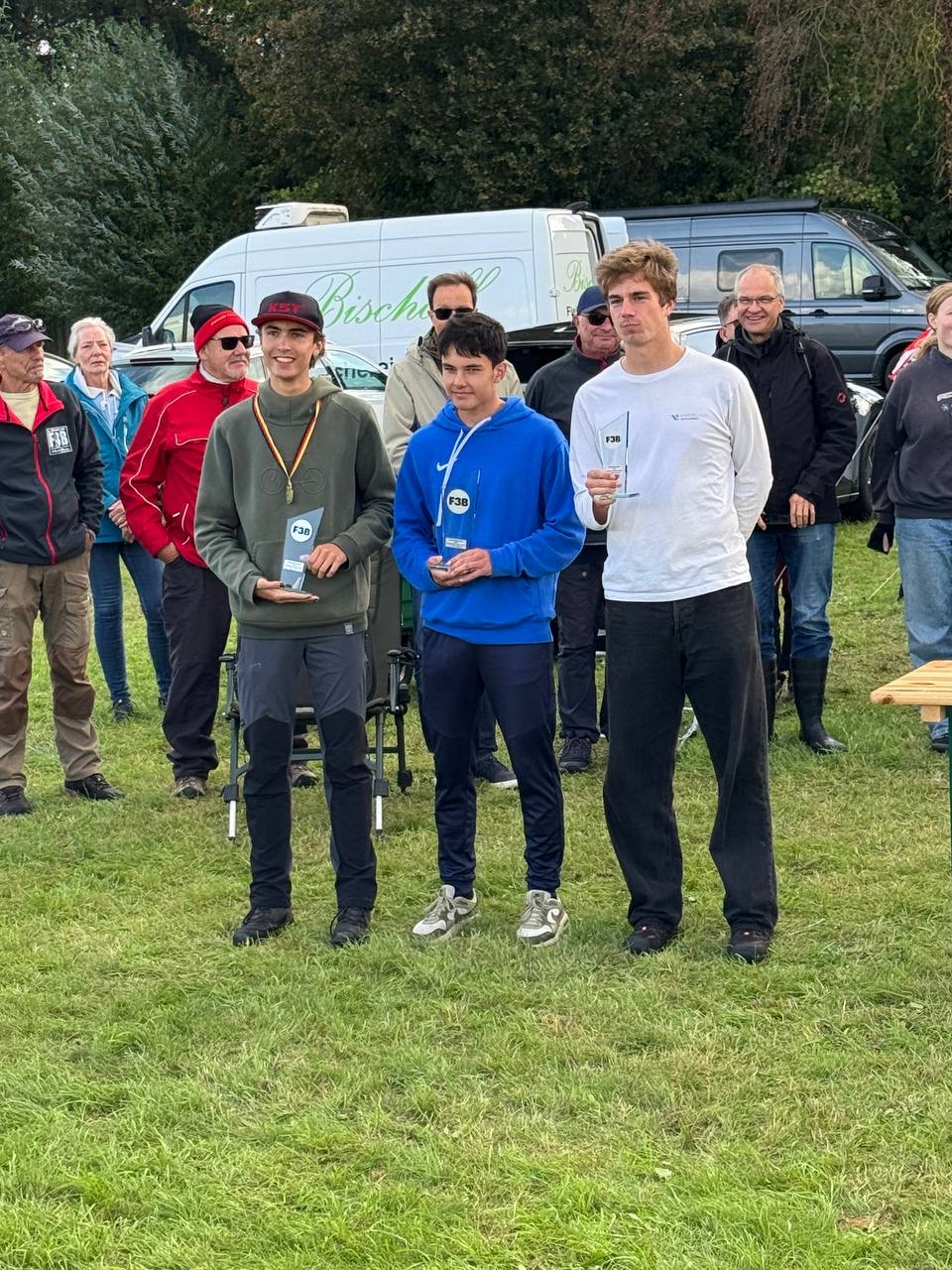
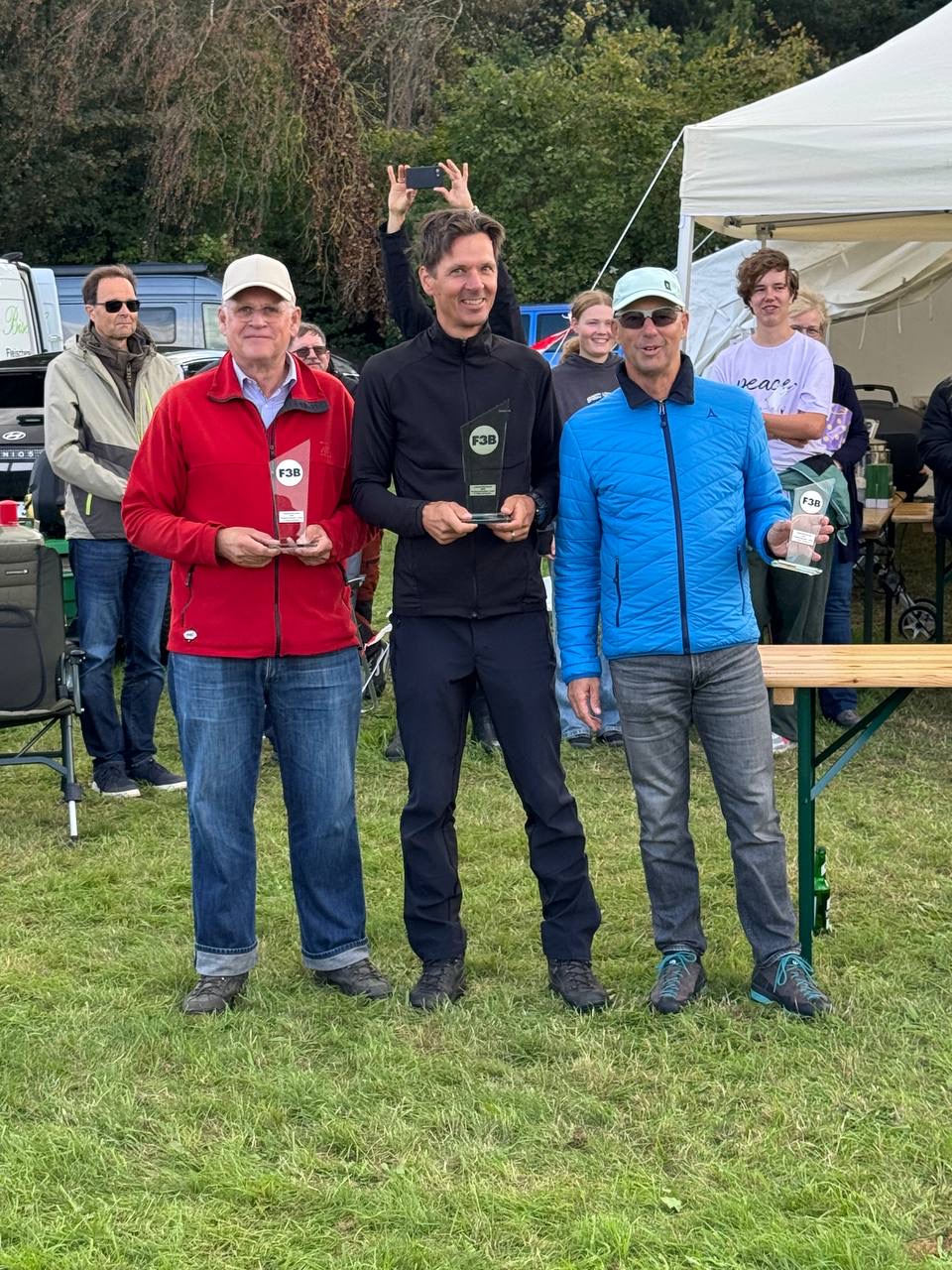

Have a great time and good flights in Lünen!
Good Luck from Down Under!
-Gavin, Stuey, Christian

Ein Gastbeitrag von Andres Cordova. Vielen Dank!


Schon ende August und erst fliegen wir den dritten F3B-Wettbewerb des Jahres.
Eine lange Pause, seit Mai konnten wir aus verschiedenen Gründen nicht fliegen – unter anderem wegen Teilnehmermangel und des Wetters.
Es gibt eindeutig keinen vergleichbaren Wettbewerb. Das Geräusch der Modelle beim Start, das Pfeifen der Tragflächen im Geschwindigkeitsflug, die Majestätik des Thermikflugs und die Taktik bei der Streckenaufgabe sind einzigartig, keine andere Flugklasse kommt F3B nah.
Die milde Augustsonne der südlichen Erdhalbkugel lies sich an diesem Wochenende endlich zeigen und versprach anspruchsvolle Bedingungen.
Ab 9 Uhr morgens begannen wir mit dem Aufbau der Winden und Basen A und B. Die lange Flugpause war deutlich zu spüren! Der Aufbau der Winden und Seile dauerte länger als gewöhnlich, ebenso wie die notwendigen Modelltests vor dem Start.
Acht Piloten – die gesamte Gruppe der regelmäßigen F3B-Flieger – waren voller Begeisterung angetreten. Nach der Begrüßung durch Eric und den obligatorischen Sicherheitsanweisungen begannen wir unter der gewohnt effizienten Leitung von Felipe und seinem Wertungsrichter-Team mit den Zeitflug. Die Atmosphäre war trotz Hitze und Luftfeuchtigkeit „eigenartig“ und sehr ruhig. Wir absolvierten drei störungsfreie Zeitflug-Runden. Danach folgten vier Runden im Streckenflug – ein spannender und ausgeglichener Wettbewerb mit sehr knappen Zieleinläufen. Es war ein Erlebnis, vier Modelle gleichzeitig auf der Strecke fliegen zu sehen, besonders in der letzten Minute, wenn das „Verkehrsaufkommen“ höchste Konzentration erfordert, um Kollisionen zu vermeiden.
Weiter ging es mit dem Geschwindigkeitsflug. Ich startete als Zweiter und übertraf meine üblichen Geschwindigkeiten – ebenso wie der Pilot vor mir –, doch Joaquín, der als Dritter flog, erreichte 14,69 Sekunden. Ein fantastischer, eleganter Flug mit perfekter Flugbahn, der die Messlatte sehr hoch legte. Gonzalo erzielte in derselben Runde 14,68 Sekunden. Gegen Ende des Wettbewerbs änderten sich die Bedingungen etwas, die Luft wurde dichter als eine leichte Brise aufkam. Insgesamt waren die Geschwindigkeiten der einzelnen Piloten deutlich höher als üblich.
Wir schlossen den Tag wie gewohnt mit dem vierten Zeitflug ab und begannen um 17:45 Uhr mit dem Abbau, kurz vor Sonnenuntergang.
Wir freuten uns über den Besuch zahlreicher Modellflieger, die kamen, um die Piloten zu unterstützen und die hervorragende Kameradschaft zu genießen, die in dieser Kategorie üblicherweise herrscht.
Das Podium:
1. Gonzalo Simon
2. Joaquín Álvarez
3. Luis Alberto Tirado
Herzlichen Glückwunsch!


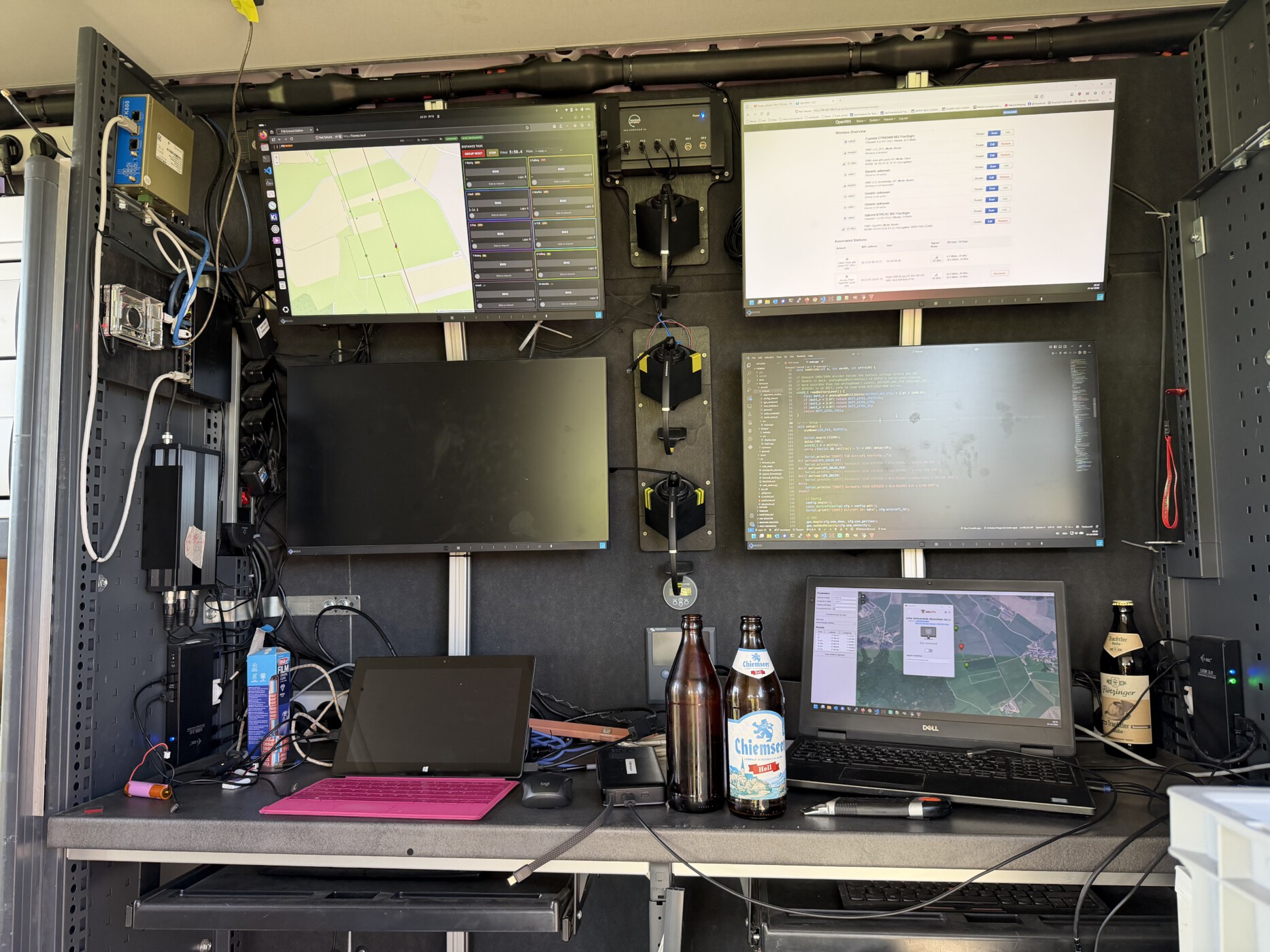
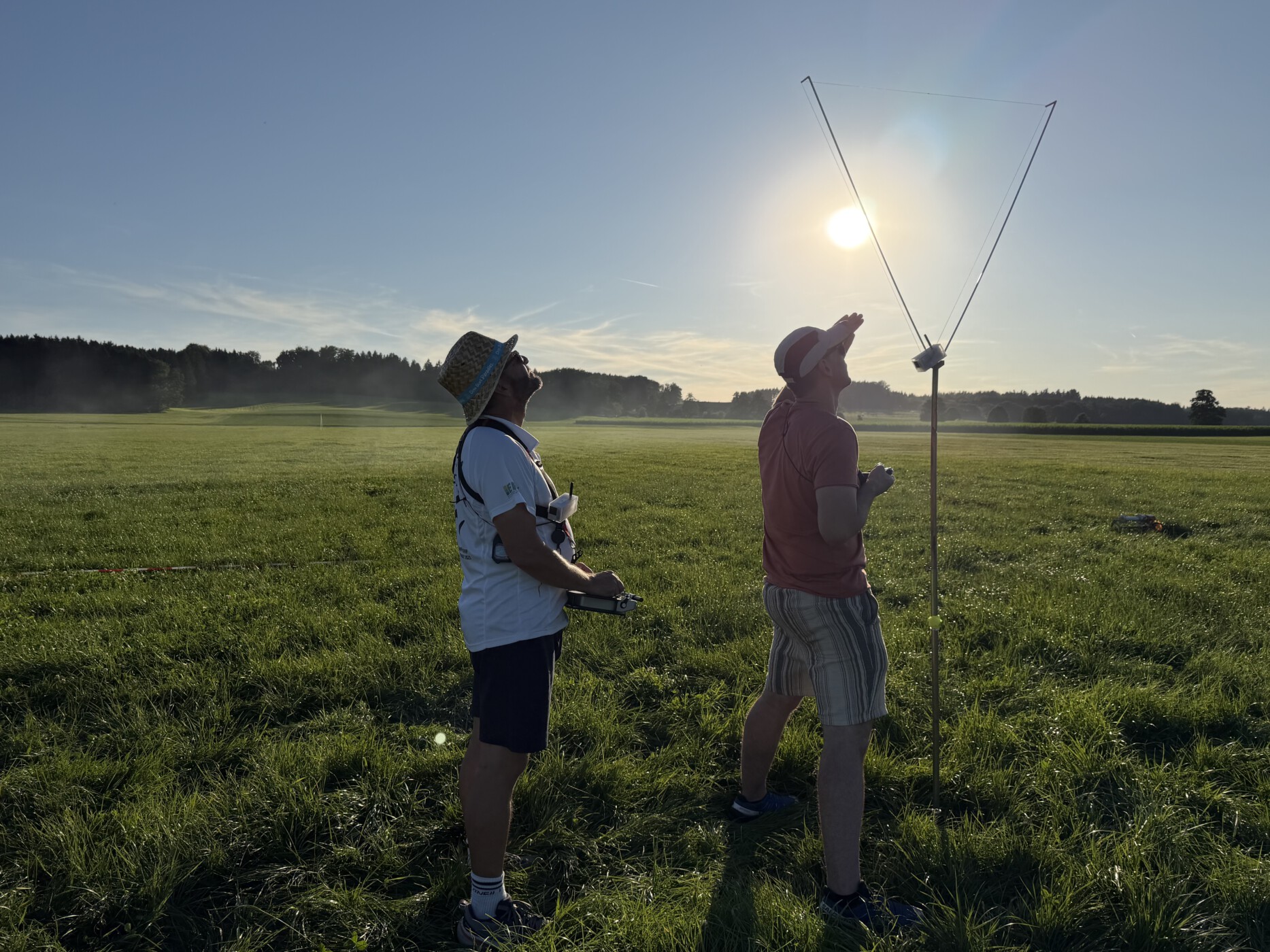
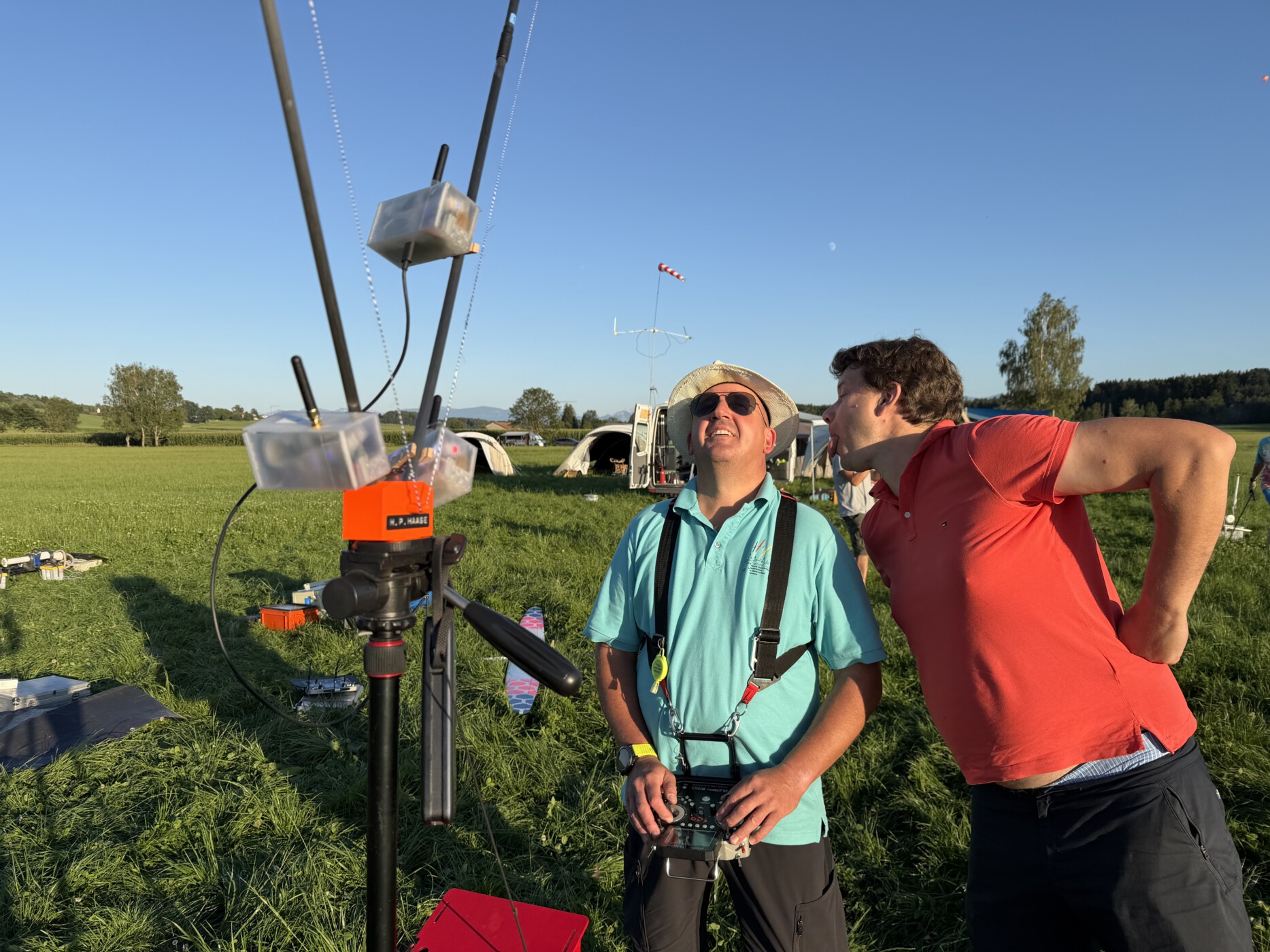
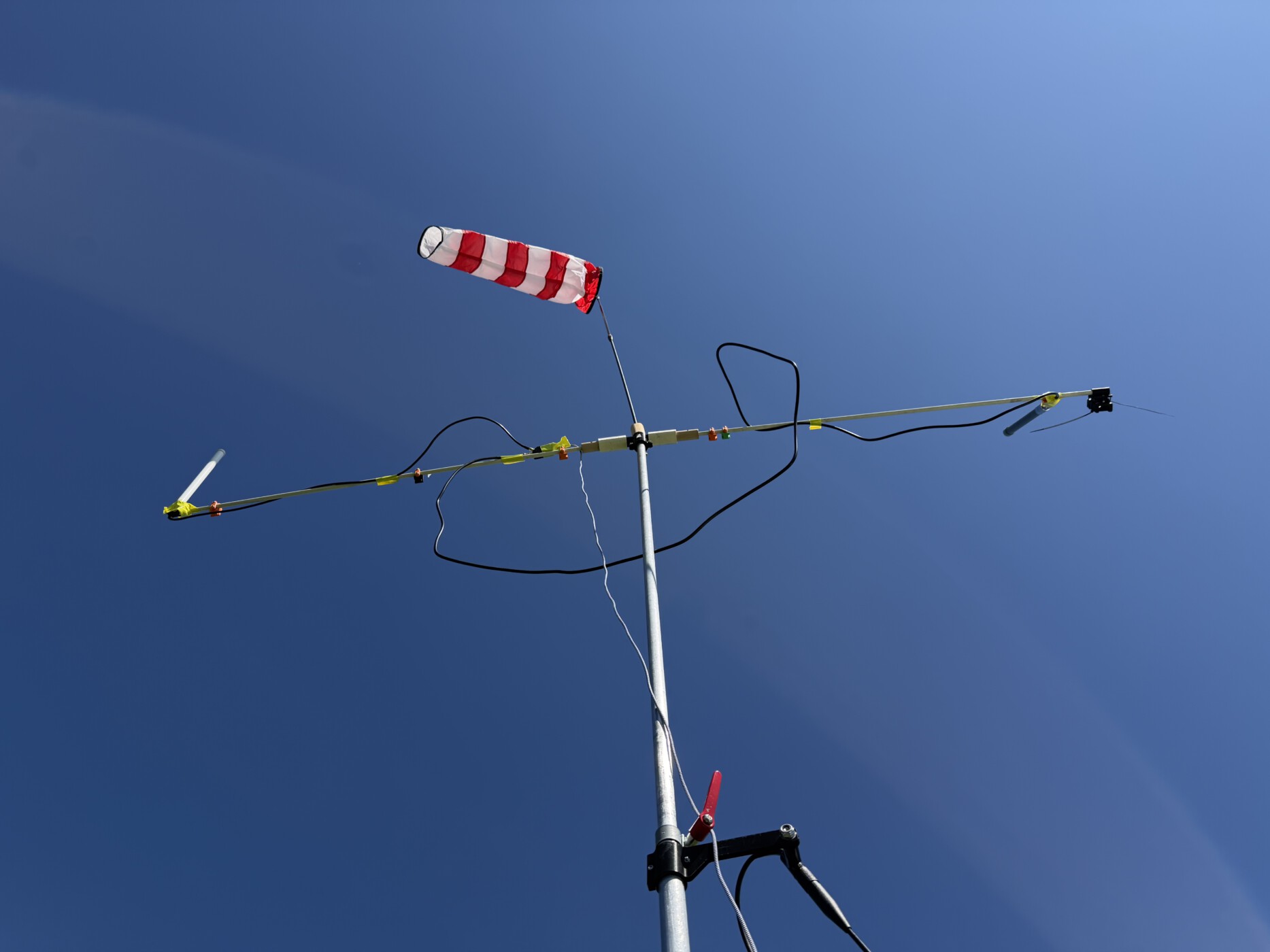
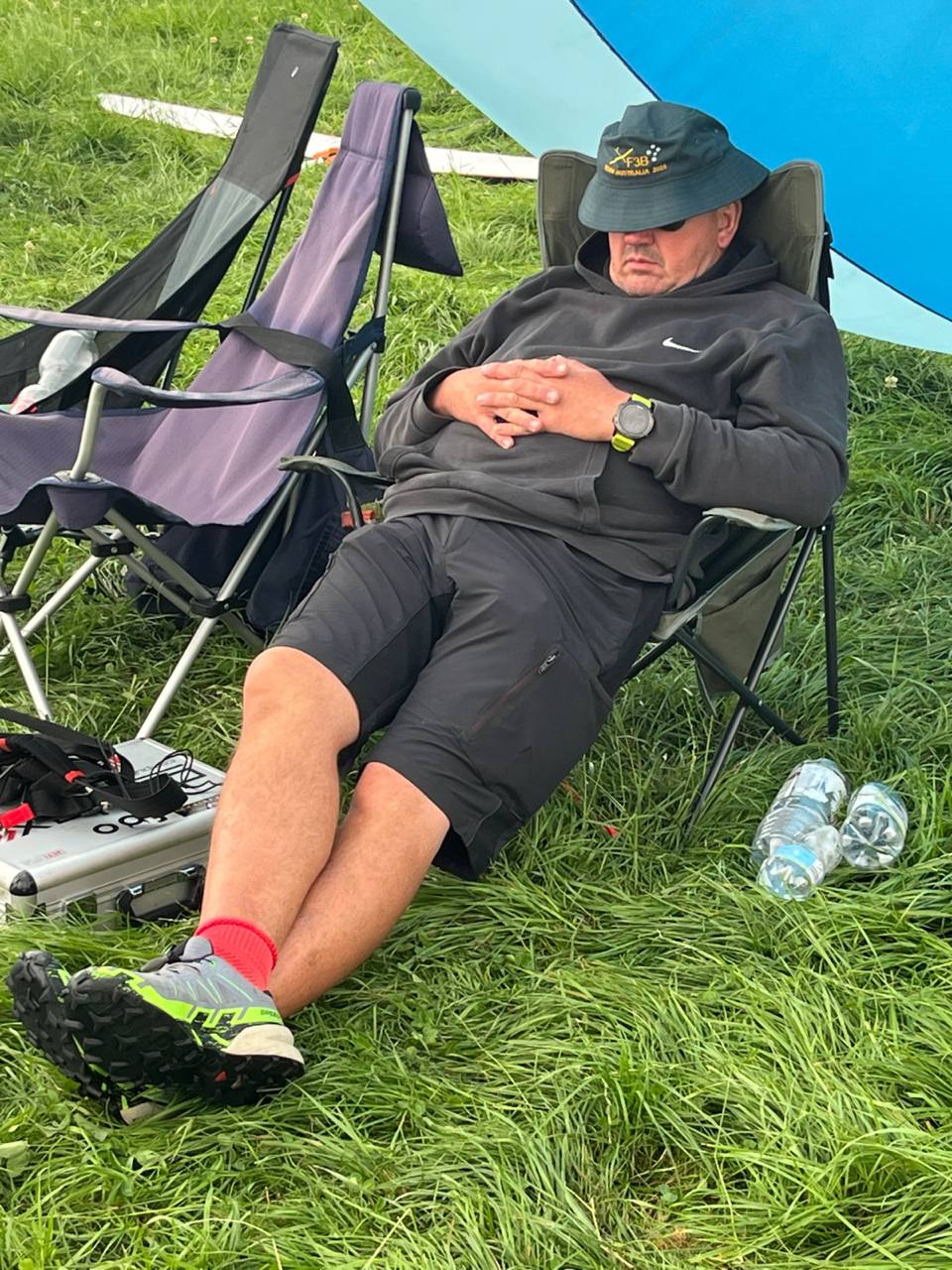
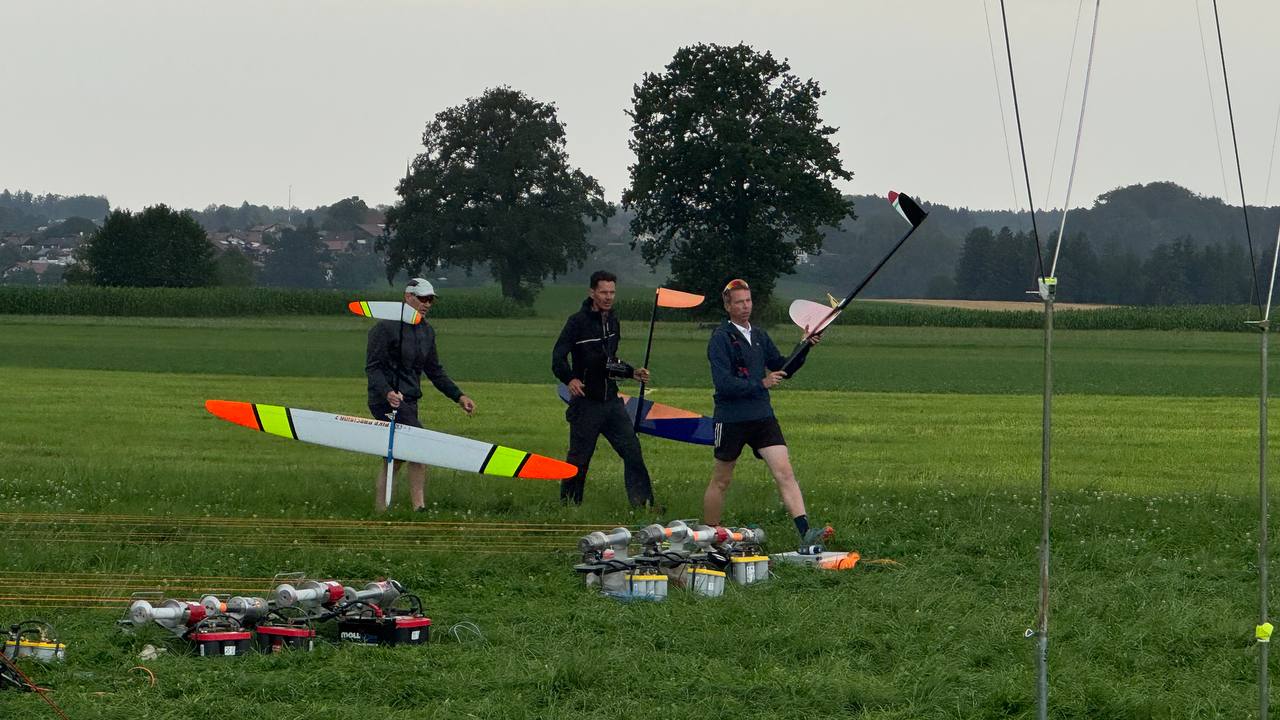
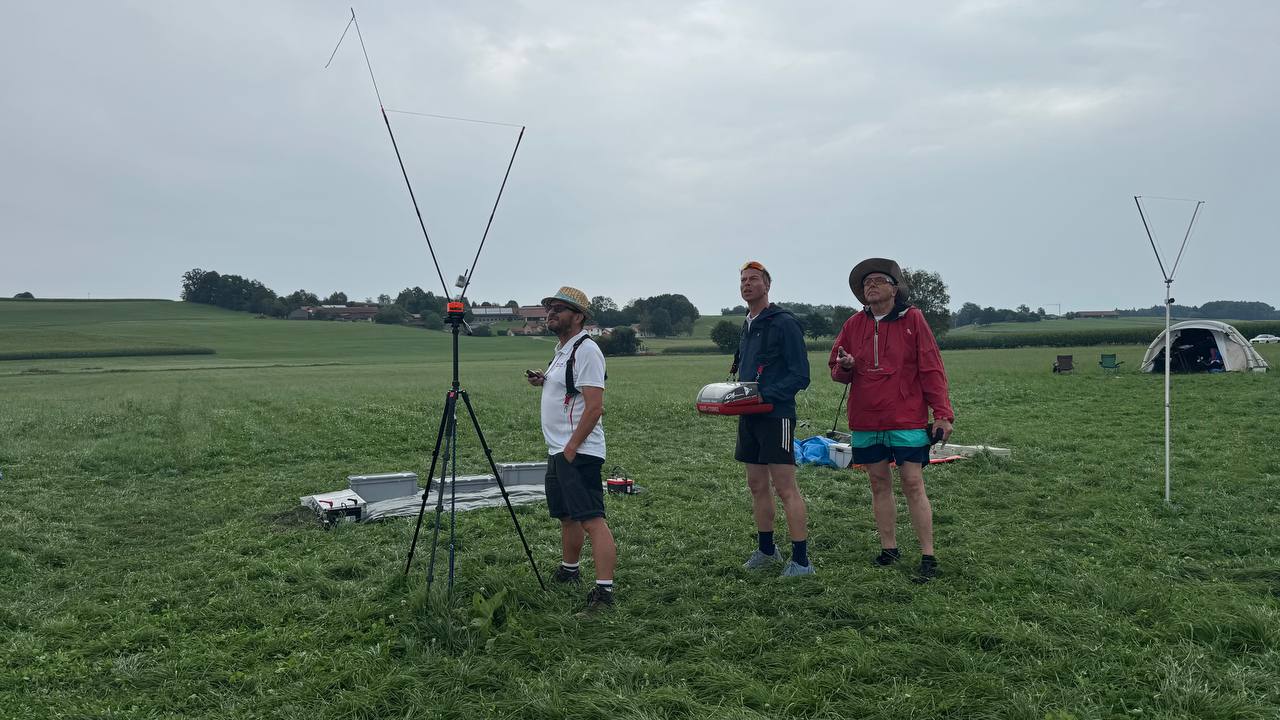
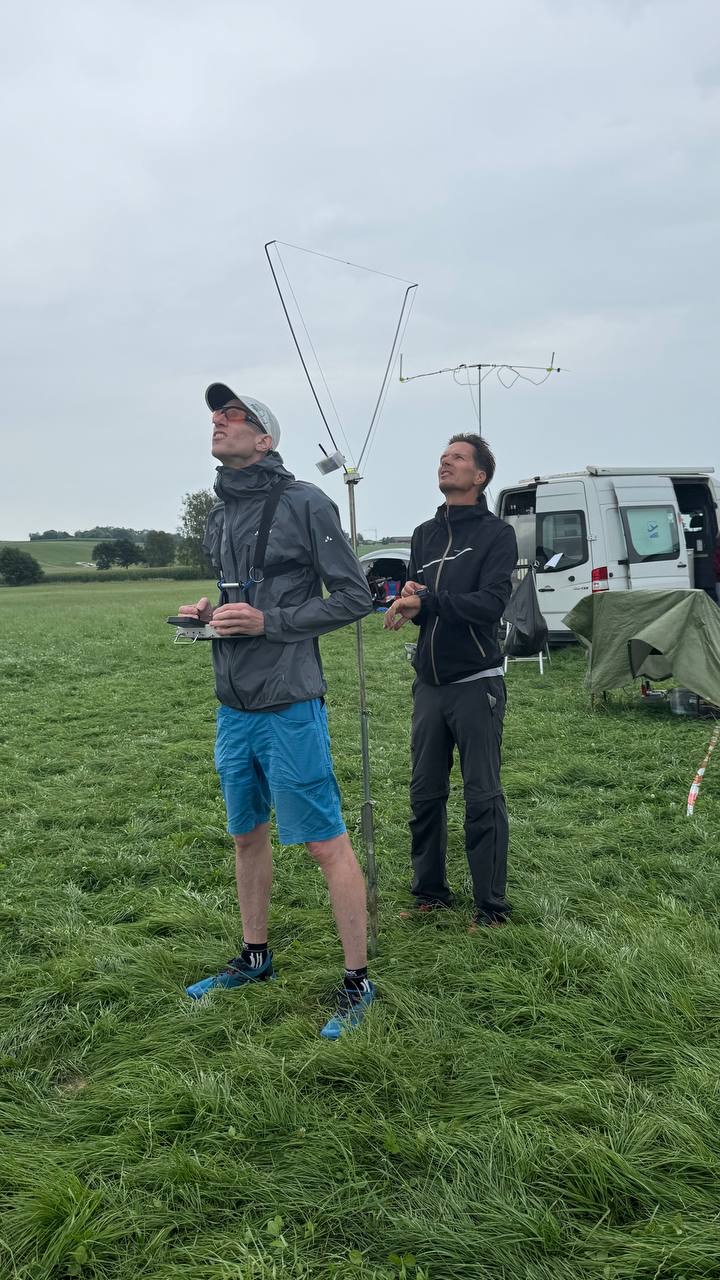
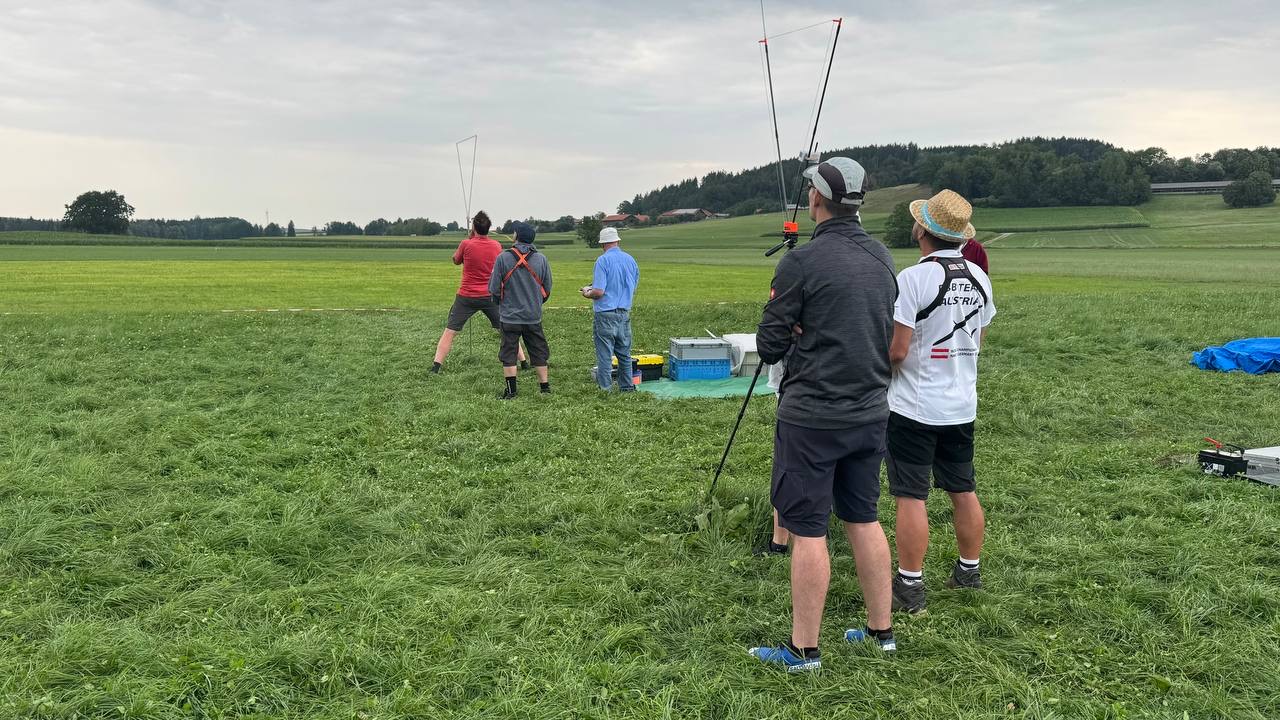
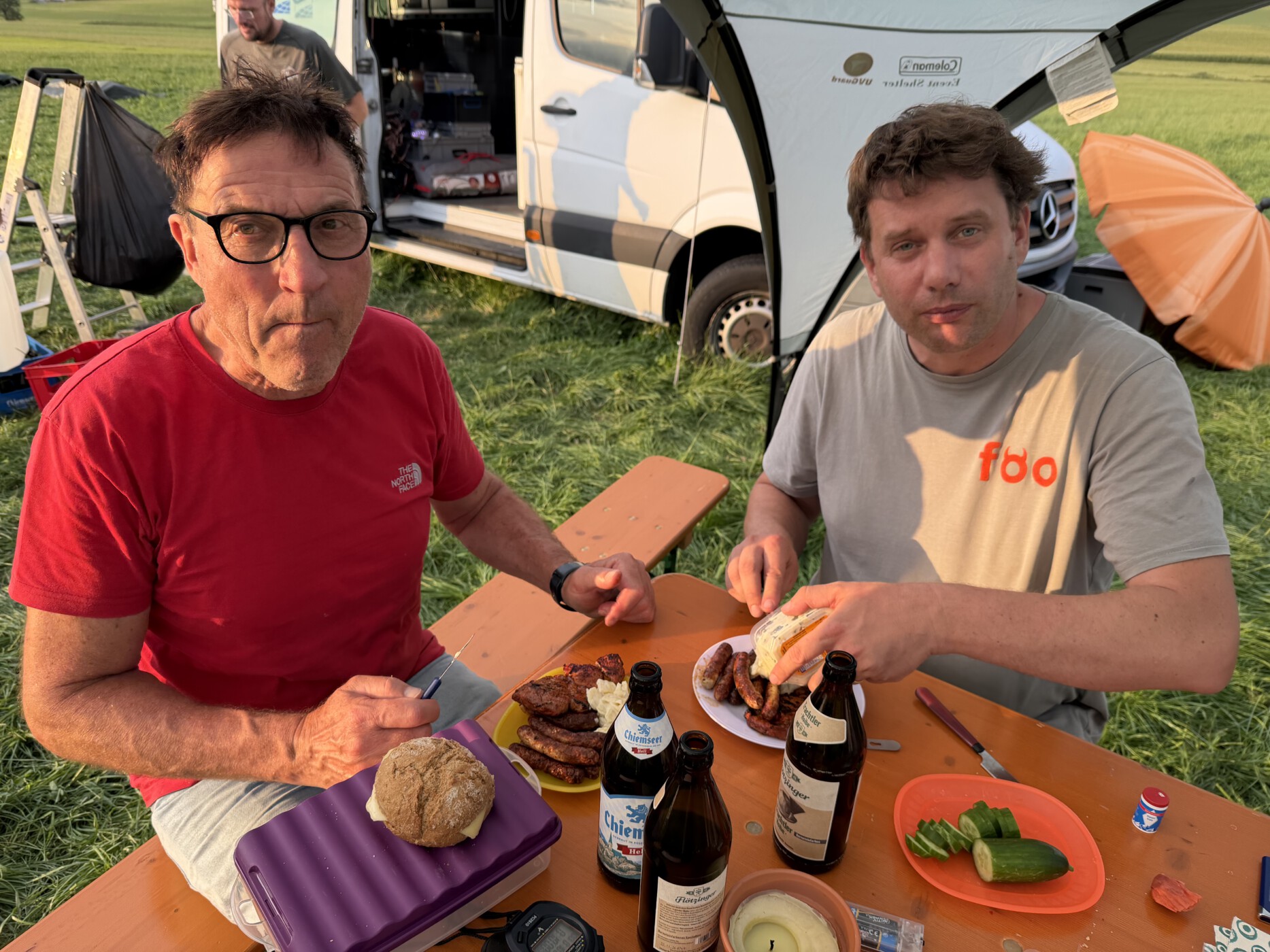
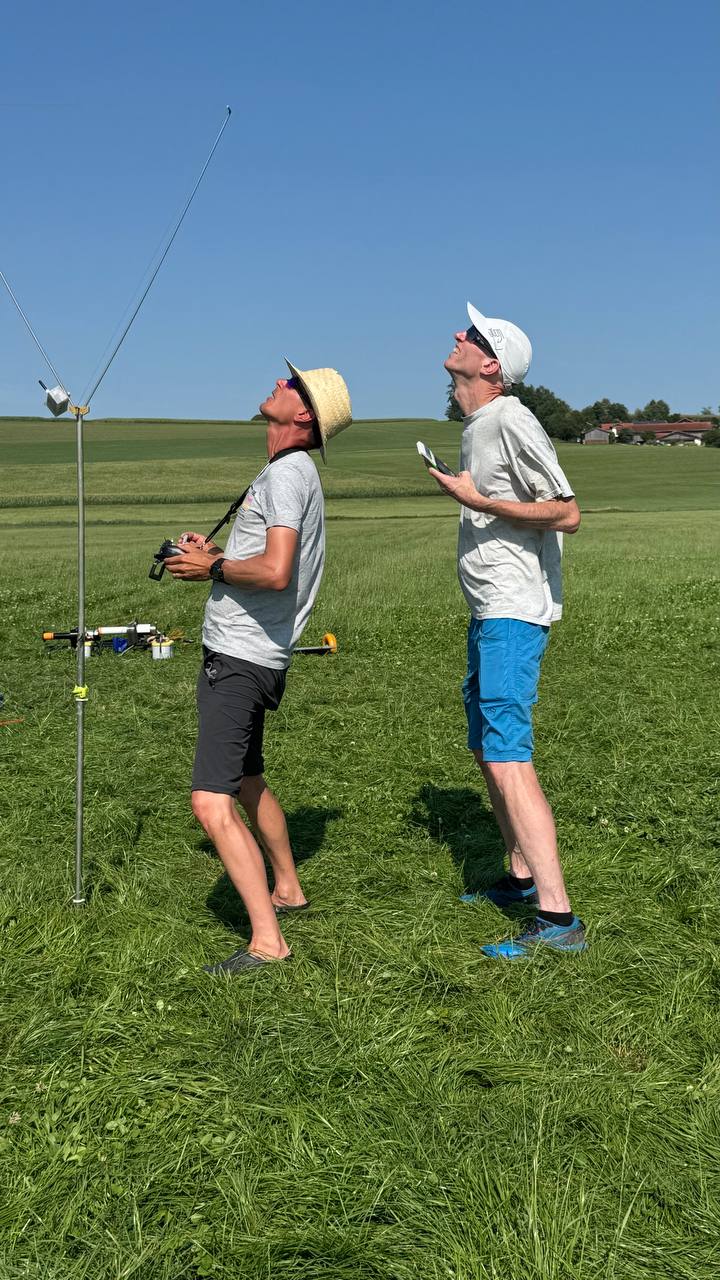
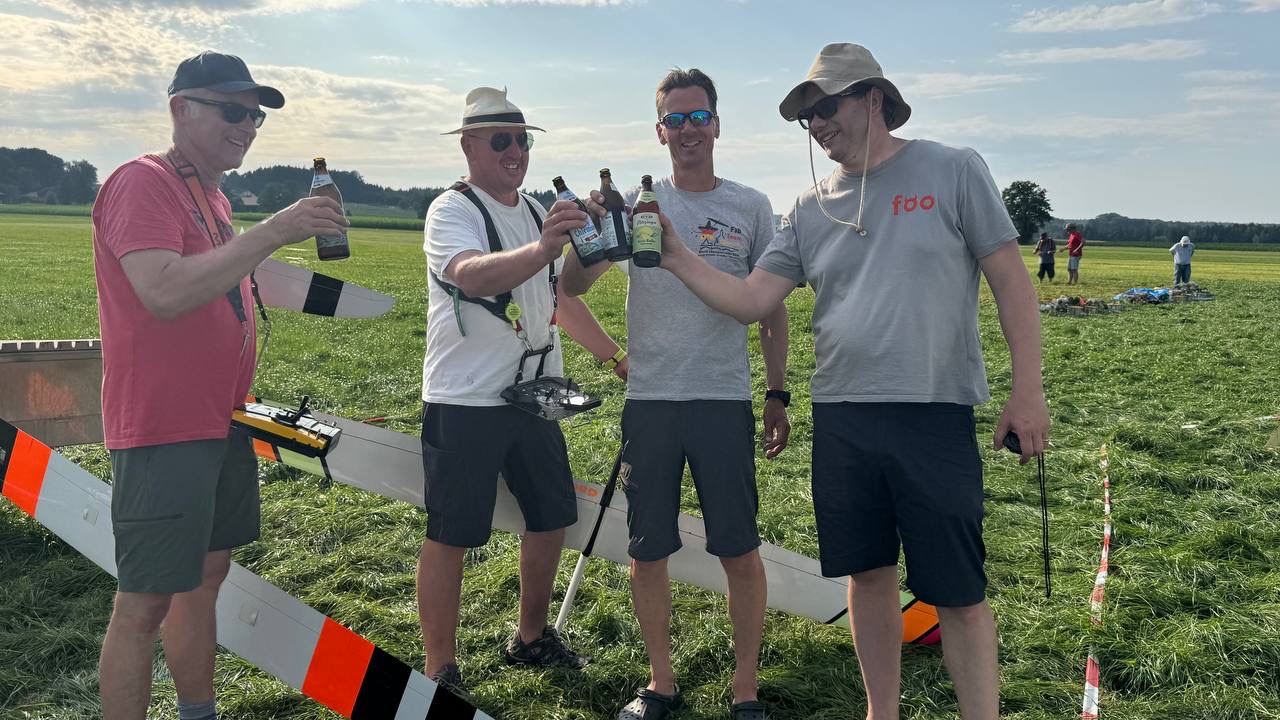
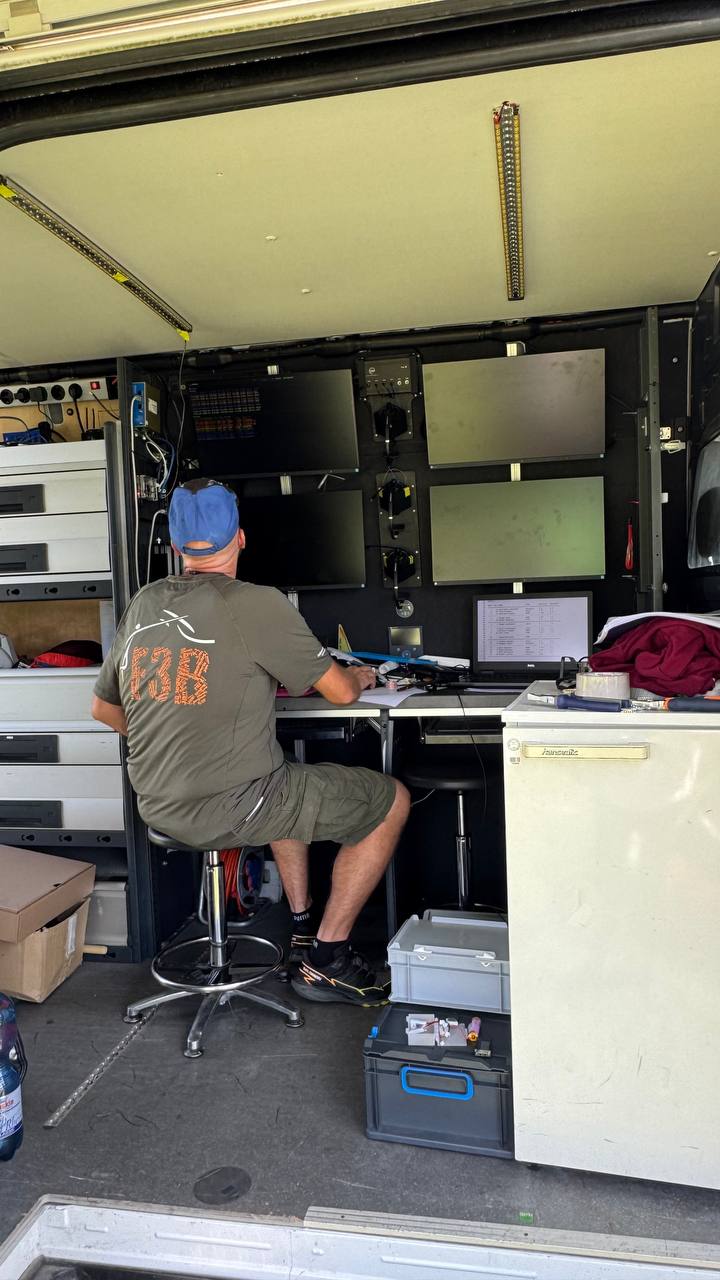
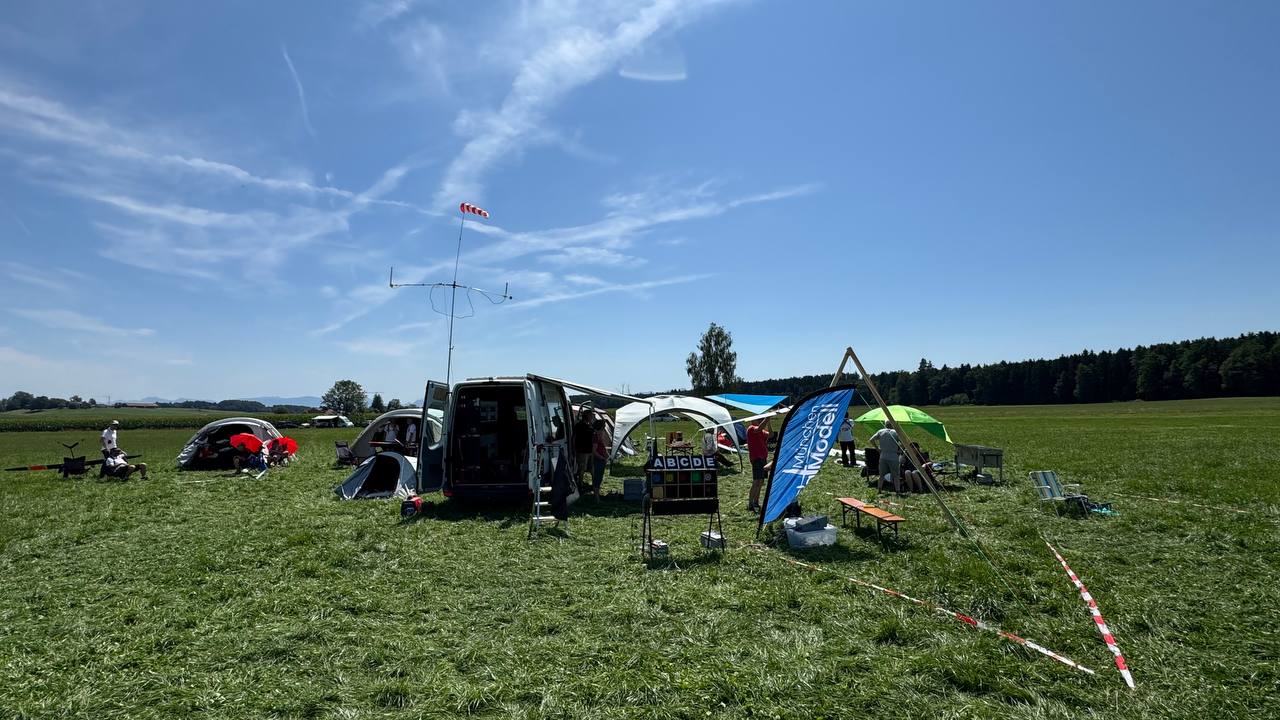
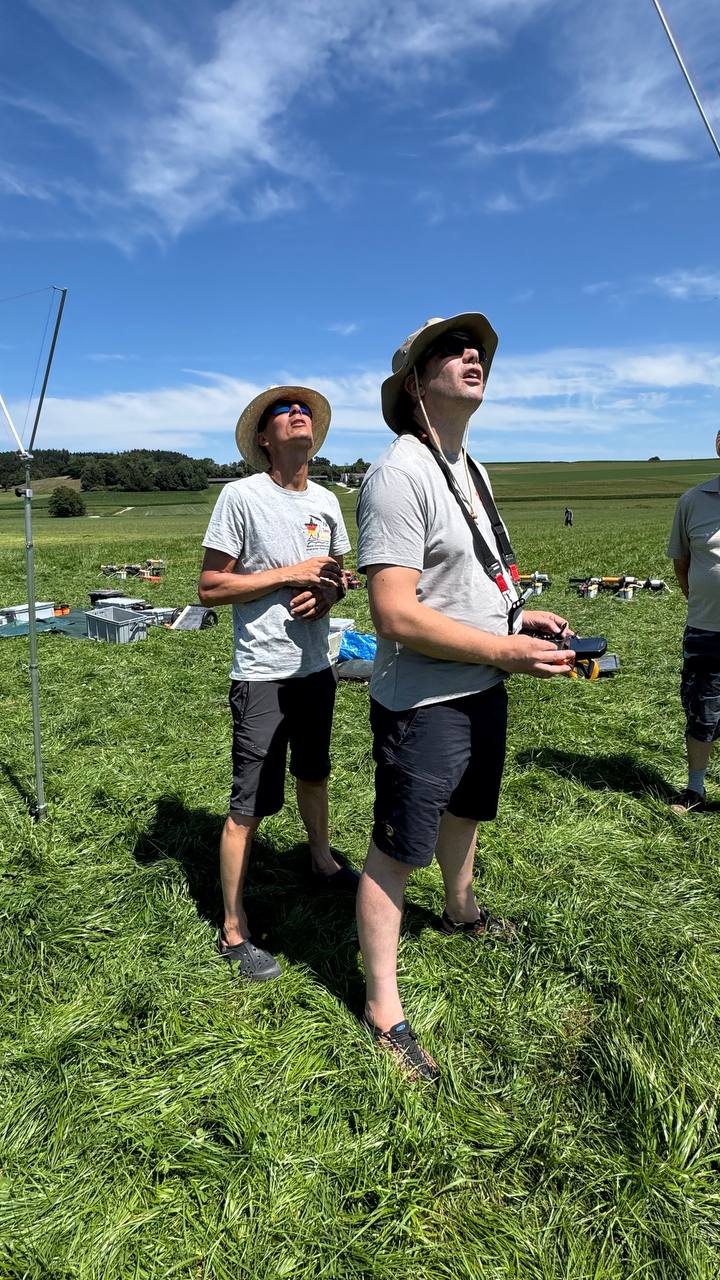
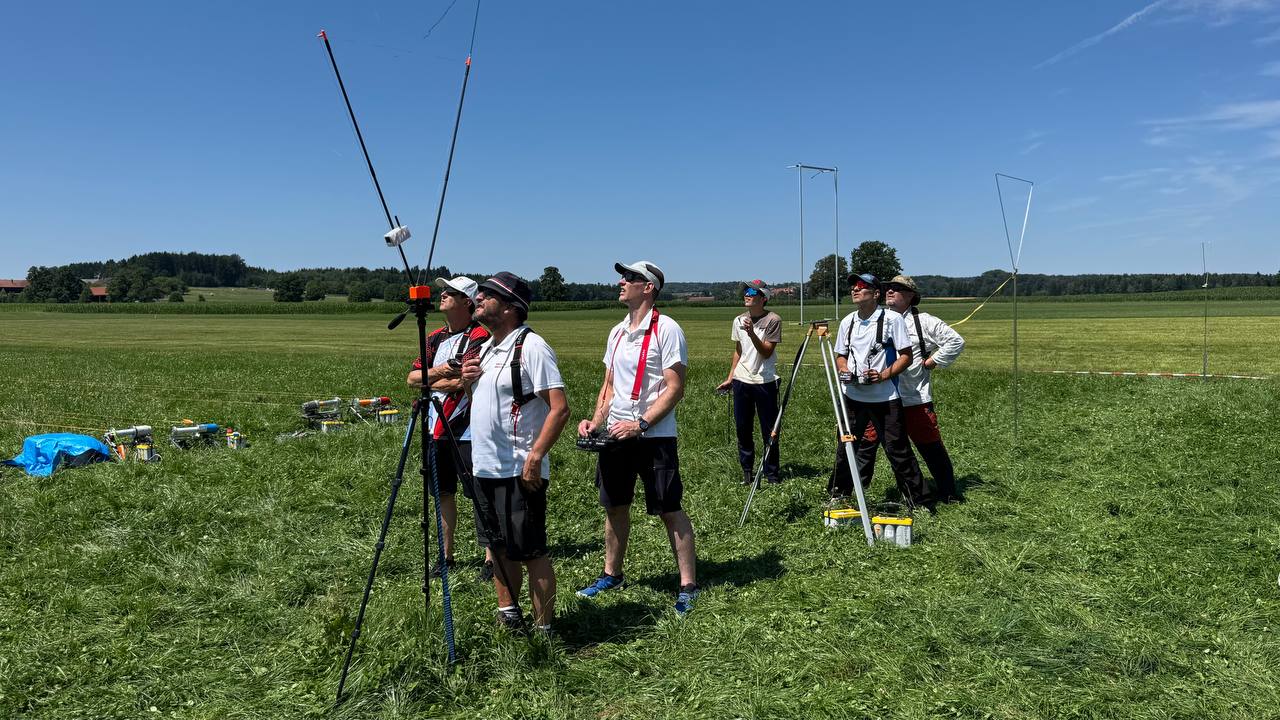
Die Telemetrie-Daten sind veröffentlicht.
The Telemetry data is published.
Link to uaslab.de / www.f3b.rocks

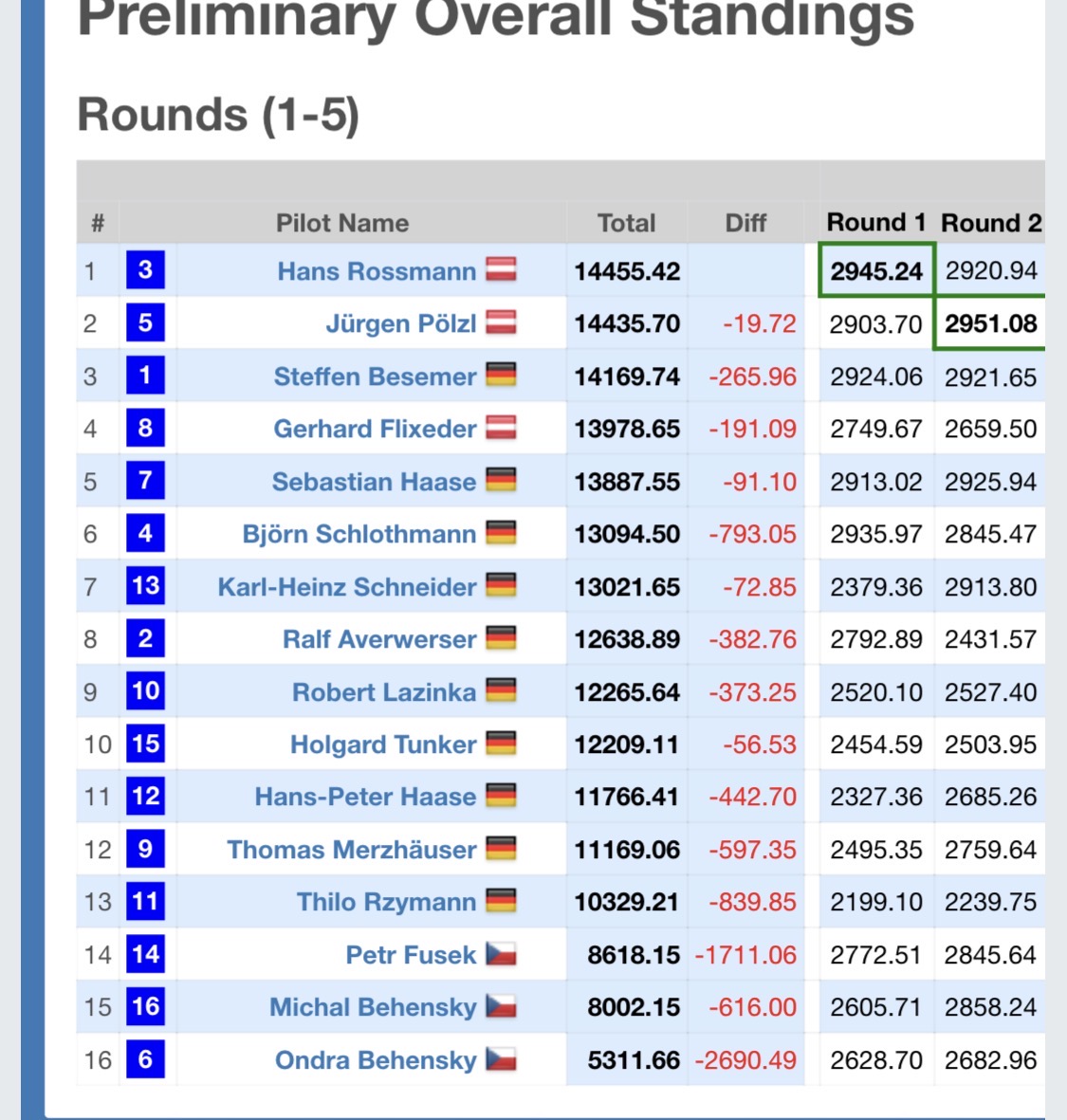
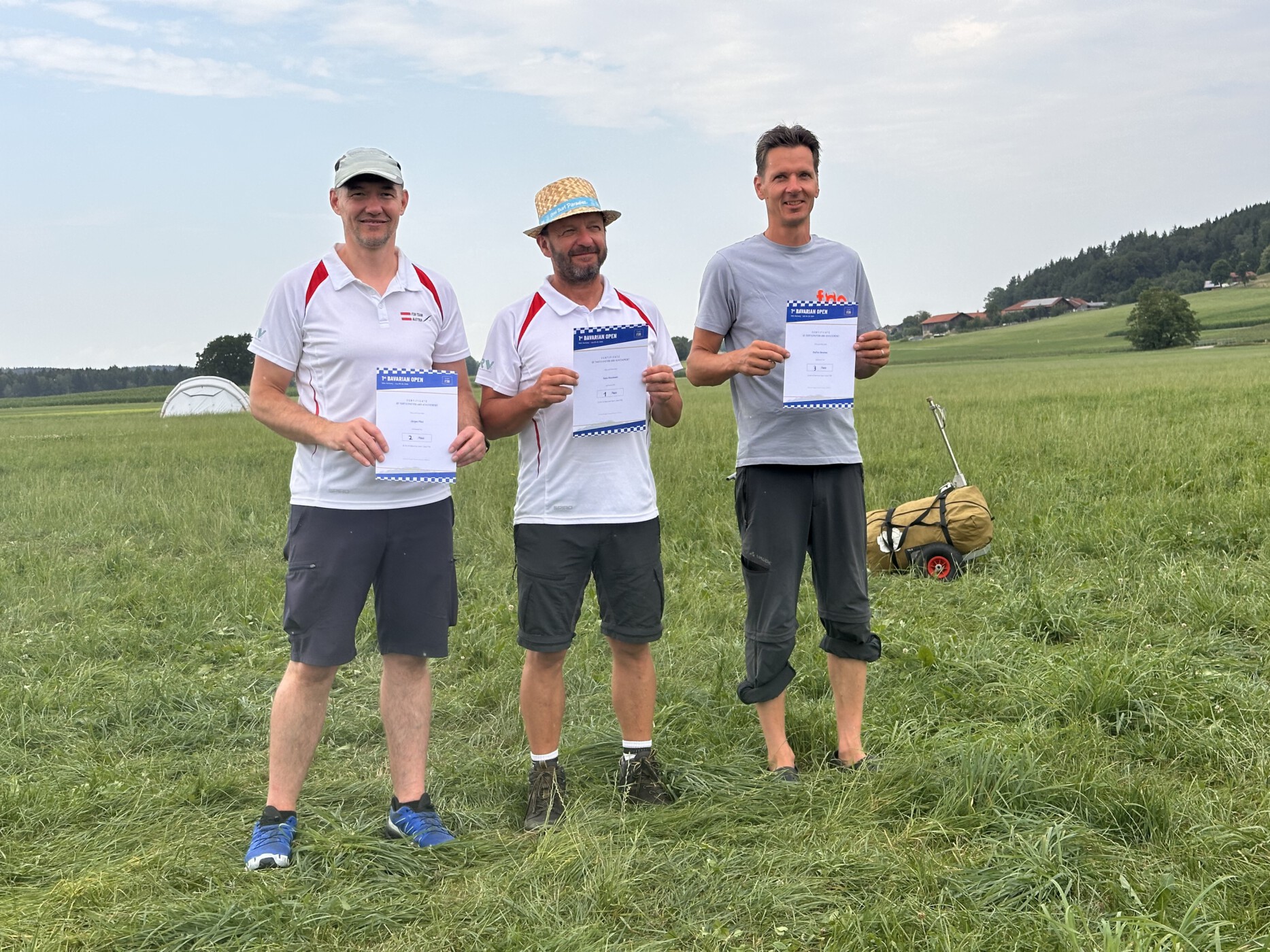
The First Bavarian Open F3B Is in the Books!
 Results: https://www.f3xvault.com/?action=event…
**Deutsch weiter unten***
I had a great time as contest director — and that’s largely thanks to all the pilots and their incredibly positive attitude! Everyone supported each other wherever possible, flew fair, and simply took my mistakes in stride. (I’m especially sorry about the starting lists, where I put two members of the smaller teams into the same duration group. Not even the smallest protest about it… YOU made this competition easy!)
I was particularly impressed when I walked the field afterwards: I couldn’t find a single piece of litter. Incredible! Thank you all — I truly hope we’ll be able to fly here again.
A big thank you also goes to Steffen for the beer, and to Judith and my family for their support during the preparations, for the cake, and especially for helping pack everything up after the competition.
In total we completed five full rounds, unfortunately cut short by the rain on Sunday.
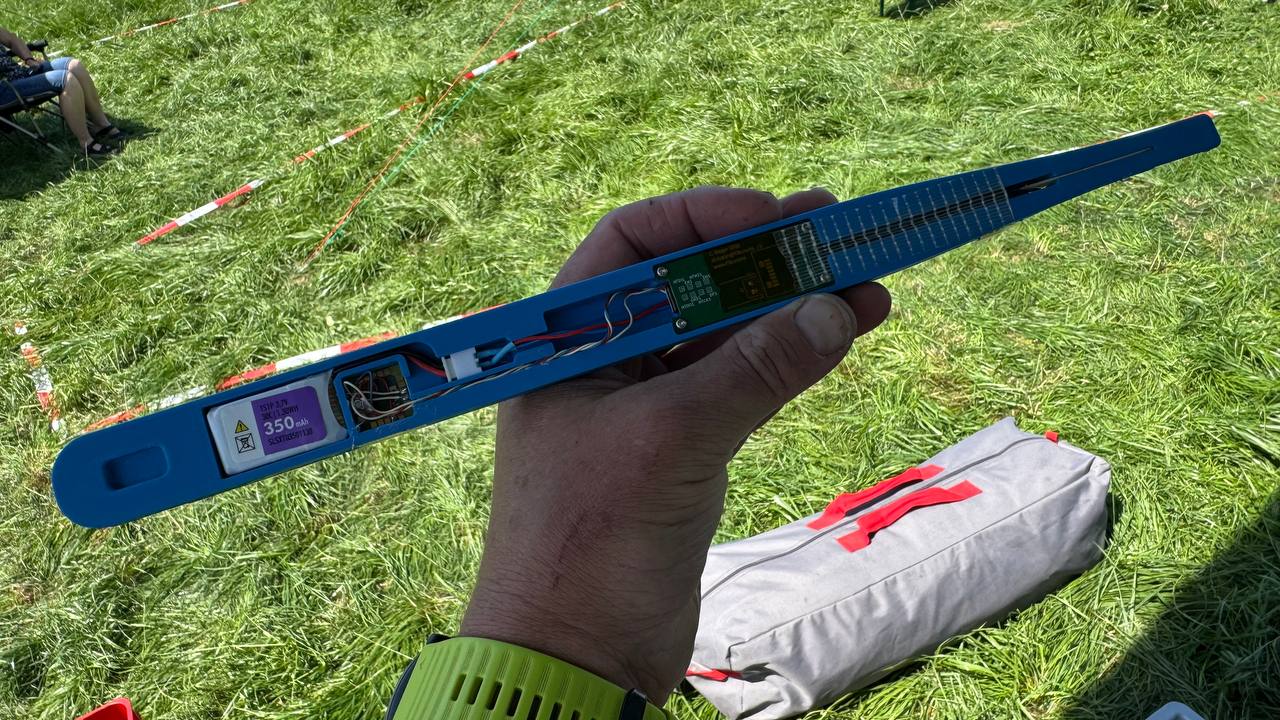
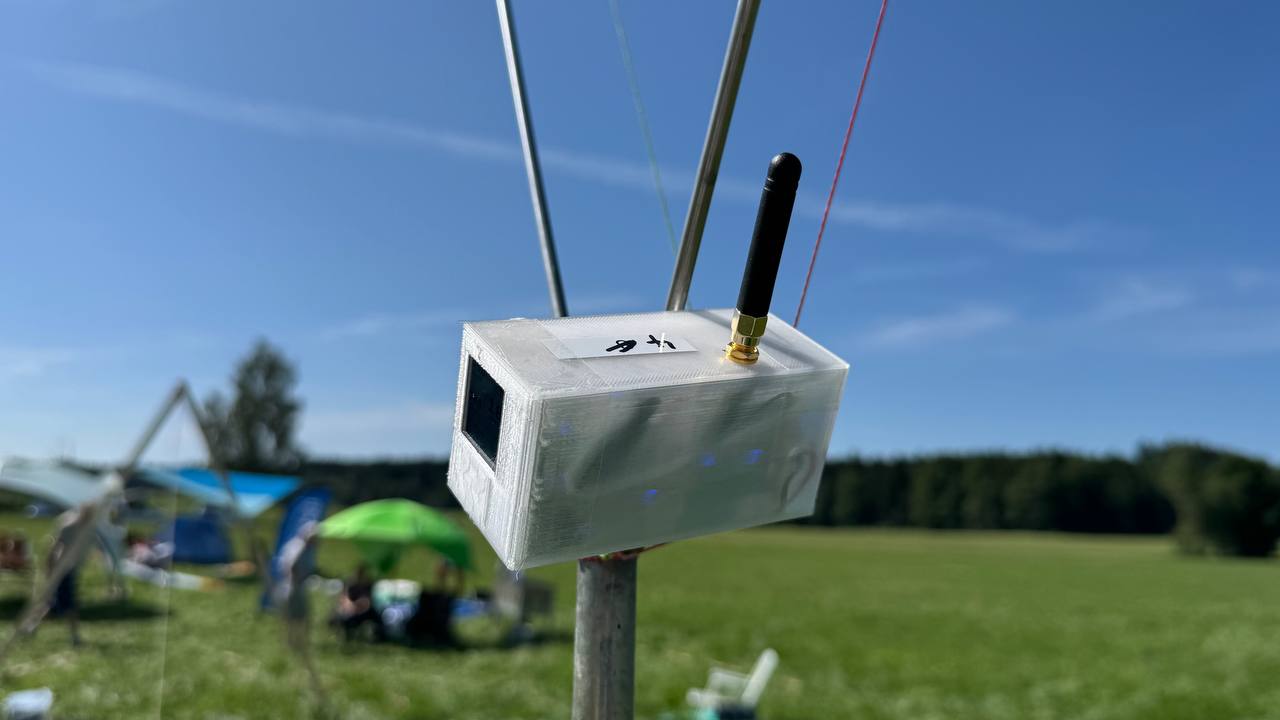
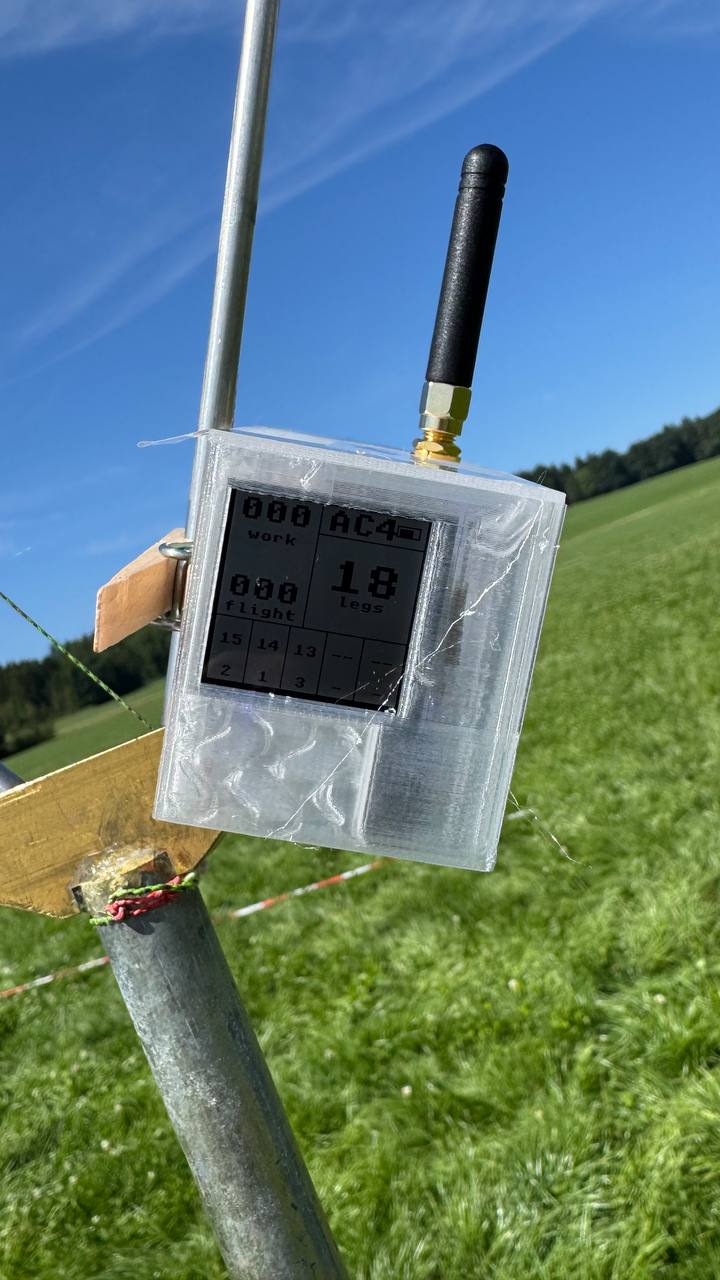
From an organizer’s perspective, the F3Cross system was amazing. Yes, there are still things to optimize — primarily the aerodynamic shape and some improvements to the user interface — and I’ll keep working on them. But by the second round, everyone automatically knew what to mount, how to mount it, and how the rounds worked.
The system was used in 72 flights with 1,243 legs in total. There was one instance where a beeper didn’t fire, but no reflight was necessary. (The Problem/Error was logged by the system)
Two other events still need investigating — they may have been the same issue with a bad connection to the beepers, or the signals may simply have been missed by the pilots.
I’ll post again in the next few days once I’ve reviewed the log files, so I can say more about the causes and what needs to be optimized.
I’ll also share the feedback I received from the pilots — though you might hear from them directly as well.
Robbi made a few videos that he (or I) can probably share with you soon.
________________________________________
Ich hatte eine großartige Zeit als Wettbewerbsleiter — und das liegt vor allem an allen Piloten und ihrer unglaublich positiven Einstellung!
Alle haben sich gegenseitig unterstützt wo es nur ging, fair geflogen und meine Fehler einfach gelassen hingenommen. (Besonders leid tut mir die Sache mit den Startlisten, bei denen ich zwei Mitglieder der kleineren Teams in dieselbe Zeitfluggruppe gesetzt habe. Nicht der kleinste Protest deswegen… IHR habt mir diesen Wettbewerb leicht gemacht!)
Besonders beeindruckt war ich, als ich danach über das Fluggelände gegangen bin: Ich konnte nicht das kleinste bisschen Müll finden. Unglaublich! Danke euch allen — ich hoffe sehr, dass wir hier wieder fliegen können.
Ein großes Dankeschön geht auch an Steffen für das Bier sowie an Judith und meine Familie für die Unterstützung bei den Vorbereitungen, für den Kuchen und ganz besonders fürs Aufräumen und Einpacken nach dem Wettbewerb.
Insgesamt haben wir fünf volle Runden geschafft — leider durch den Regen am Sonntag begrenzt.
Aus Veranstaltersicht war das F3Cross-System großartig. Ja, es gibt noch einiges zu optimieren — vor allem die aerodynamische Form und einige Verbesserungen an der Benutzeroberfläche — und daran werde ich weiterarbeiten. Aber schon ab der zweiten Runde wussten alle automatisch, was wie zu montieren ist und wie die Runden ablaufen.
Das System kam in 72 Flügen mit insgesamt 1.243 Strecken zum Einsatz. In einem Fall hat ein Beeper nicht ausgelöst, ein Nachflug war aber nicht nötig. (Das Problem/der Fehler wurde vom System geloggt.)
Zwei weitere Ereignisse muss ich noch untersuchen — möglicherweise war es dasselbe Problem mit einer schlechten Verbindung zu den Beepern, oder die Signale wurden von den Piloten schlicht überhört.
In den nächsten Tagen werde ich, nachdem ich die Logdateien ausgewertet habe, noch einmal posten und kann dann mehr dazu sagen, was die Ursachen waren und was optimiert werden muss.
Außerdem werde ich das Feedback der Piloten teilen — vielleicht hört ihr aber auch direkt von ihnen.
Robbi hat ein paar Videos gemacht, die er (oder ich) euch wahrscheinlich bald zeigen können.
25.7.
STartlist: updated for sunday
Update 2 (22.7.):
Hi zusammen,
(English below!)
Das ist vermutlich das letzte Update vor dem Wettbewerb – und alles sieht gut aus!
Am Freitagabend gibt es Freibier zum Grillen, gesponsert von Steffen Besemer – vielen Dank!!!
Bitte denkt an die Bezahlung – oder schreibt mir eine kurze E-Mail, wenn ihr vor Ort zahlen möchtet. (Ich werde nur sehr begrenzt Wechselgeld dabeihaben!)
Um Schäden an der Wiese zu vermeiden, fahrt bitte nicht mit dem Auto quer durch die Wiese. Steigt erst aus, schaut euch um und fragt nach. Wenn wir einen guten Eindruck hinterlassen, dürfen wir vermutlich wiederkommen!
Anfahrt: https://maps.app.goo.gl/yZozYBWCNcxBtmbp9
Die Anfahrt über Söhl ist auch möglich, aber flache Autos könnten an der Brücke leicht aufsitzen. (Fragt mich, woher ich das weiß…)
Bitte denkt daran, genug zu trinken mitzunehmen.
Ich freue mich schon sehr auf euch alle!
Christian
_________________________
Hi everyone,
This is probably the last update before the competition – and everything is a go!
On Friday evening there will be free beer at the barbecue, sponsored by Steffen Besemer – thank you!!!
Please remember to pay in advance – or send me a quick email if you’d like to pay on the field. (I will only have very limited change with me!)
To avoid damage to the meadow, please don’t drive your car across the grass. Get out first, take a look, and ask. If we make a good impression, there’s a good chance we’ll be allowed to come back!
Directions: https://maps.app.goo.gl/yZozYBWCNcxBtmbp9
Arriving via Söhl is possible as well, but low cars might scrape on the bridge. (Ask me how I know…)
Please bring enough to drink for yourself.
I’m looking forward to seeing all of you!
Christian
Update:
Hallo zusammen,
ich freue mich sehr, euch alle nächstes Wochenende in Söhl begrüßen zu dürfen!
Mein Ziel für den Wettbewerb: Wir sollen alle viel Spaß haben, ohne zu viel Stress – und dabei möglichst viel zum Fliegen kommen!
Startgebühr
Ich habe jetzt alle Ausgaben zusammen und kann euch die Startgebühr nennen. Wie angekündigt werden einfach die tatsächlichen Kosten auf alle aufgeteilt. Ein mobiles WC ist gebucht.
Gesamtkosten: ca. 570 €
Teilnehmer: 18 Senioren, 1 Junior
Startgebühr: 35 € pro Senior (ergibt ca. 60 € Puffer)
Infos zur Zahlung in der Mail an die Piloten. (Norbert Kolb bitte bei mir melden!)
Sebastian Peters hat uns die Anlage aus Belgien wegen der geringen Teilnehmerzahl sehr günstig zur Verfügung gestellt – vielen Dank dafür! Auch vielen Dank für die Flaggen und Bänder ans ganze Belgien-Team!
Falls am Ende ein paar Euro übrig bleiben, gehen diese als Spende an F3XVault, und Sebastians Anteil wird etwas aufgestockt.
GPS-Streckenflugsystem
Falls ihr es noch nicht gesehen habt: Ich arbeite an einem automatischen, GPS-basierten Streckenflugsystem: https://fooblog.de/?p=11507
Wenn ihr beim Test am Freitag damit zufrieden seid, setzen wir es im Wettbewerb ein. Andernfalls machen wir die Gruppen etwas kleiner und schicken ein paar Piloten an die A- und B-Linie. Speed wird voraussichtlich klassisch geflogen, da dort kaum Helfer nötig sind.
Startlisten
Die Startlisten werden erst Freitagabend oder Samstag kurzfristig erstellt. Ihr könnt sie dann auf F3XVault einsehen oder als PDF von fooblog aufs Handy laden. Einen Drucker nehme ich nicht mit – bei so wenigen Piloten können wir uns das denke ich sparen.
Zeitplan
Freitag, 24.07. Freies Training ab ca. 13 Uhr
Samstag, 25.07. Briefing um 7:45 Uhr
Sonntag, 26.07. 8:00 bis ca. 15:30 Uhr
Essen & Trinken
Bitte selbst mitbringen! Ich bringe einen großen Grill mit, den jeder benutzen darf. An beiden Wettbewerbstagen ist eine kurze Mittagspause (ca. 30 Minuten) eingeplant.
Freitagabend wird am Platz gegrillt – kommt also unbedingt dazu!
Bis nächste Woche – ich freue mich auf euch!
🇬🇧 English
Hello everyone,
I’m really looking forward to welcoming you all to Söhl next weekend!
My goal for this competition: lots of fun, minimal stress – and as much flying time as possible!
Entry Fee
I now have all the expenses together and can tell you the entry fee. As announced, we’re simply splitting the actual costs among everyone. A mobile toilet has been booked.
Total costs: approx. €570 (field, toilet, F3B timing system, fuel, sighting devices, miscellaneous)
Participants: 18 seniors, 1 junior
Entry fee: €35 per senior (leaving a buffer of about €60)
Payment info in the email to the competitors. (Norbert Kolb, please send me an email!)
Due to the small number of participants, Sebastian Peters has provided the F3B timing system from Belgium at a very low price – thank you very much! Another big thankls to the entire Belgium-Team for helping out with flags and the measuring lines.
If a few euros are left over at the end, they will be donated to F3XVault, and Sebastian’s share will be topped up a bit.
GPS Distance System
In case you haven’t seen it yet: I’m working on an automatic, GPS-based distance scoring system: https://fooblog.de/?p=11507
If you’re happy with it during Friday’s test session, we’ll use it in the competition. If not, we’ll make the groups a bit smaller and send a few pilots to the A and B bases. Speed will most likely be flown the classic way, since it hardly requires any helpers.
Start Lists
The start lists will be created at short notice on Friday evening or Saturday. You’ll be able to view them on F3XVault or download them as a PDF from fooblog to your phone. I won’t be bringing a printer – with so few pilots, I think we can skip that.
Schedule
Friday, July 24 Free training from approx. 1 pm
Saturday, July 25 Briefing at 7:45 am
Sunday, July 26 8:00 am until approx. 3:30 pm
Food & Drinks
Please bring your own! I’ll bring a big grill that everyone is welcome to use. A short lunch break (approx. 30 minutes) is planned on both competition days.
Friday evening is BBQ night at the field – make sure to join us!
See you next week – looking forward to it!
Registration link: https://f3xvault.com/?action=event&function=event_view&event_id=4382
Google maps link: https://maps.app.goo.gl/B5wUZu8knxqpYxA28
This is NOT a FAI competition. Unfortunately, this was not possible with the local rules. This means it will not count towards the Worldcup and most probably not toward the Eurotour. The intention is to just have fun with our great hobby. Of course, the competition itself is not going to be less competitive!
Updates:
Here is the 1st Bulletin for the competition:
Comments and Background by Christian Rieger:
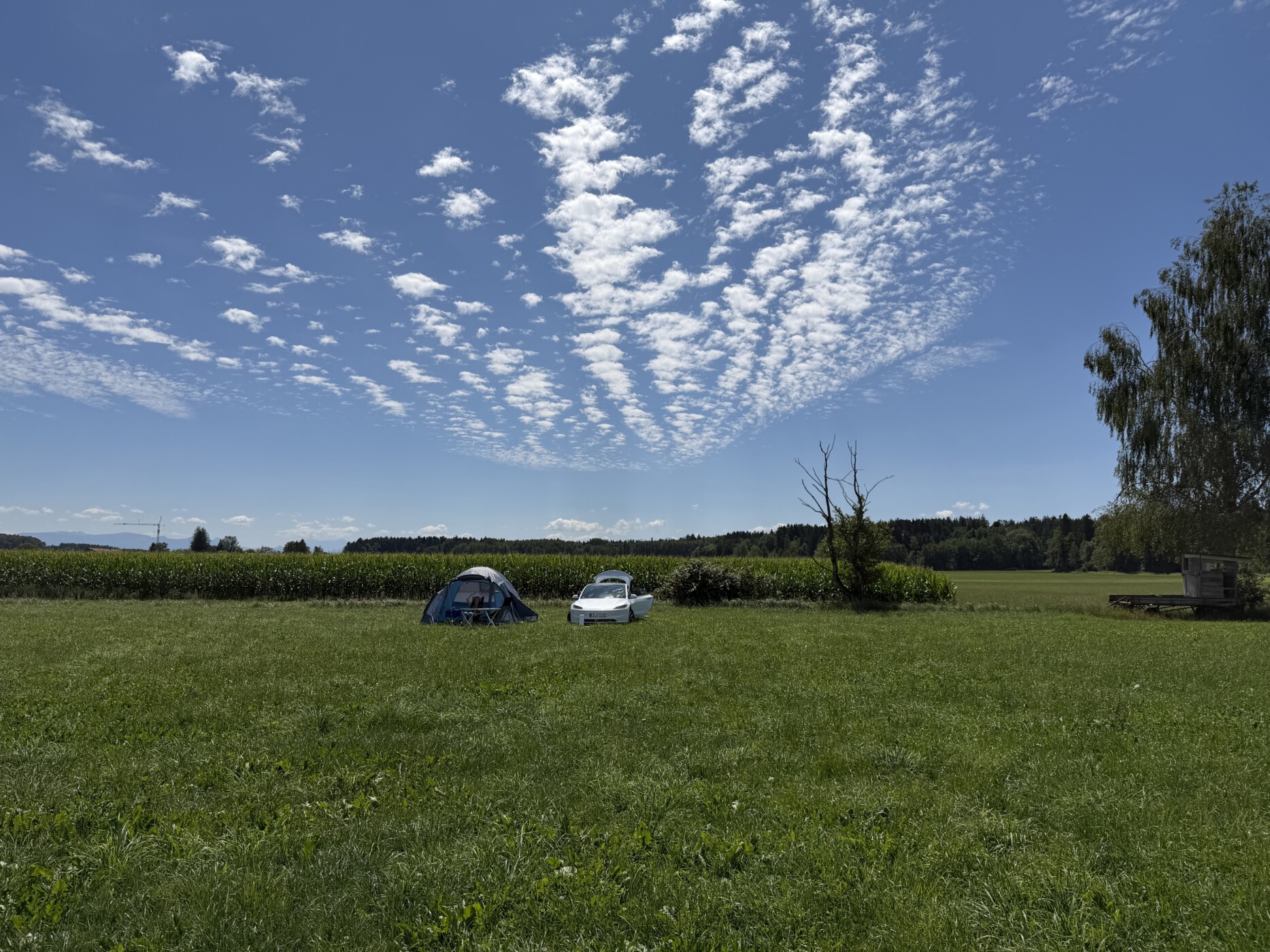
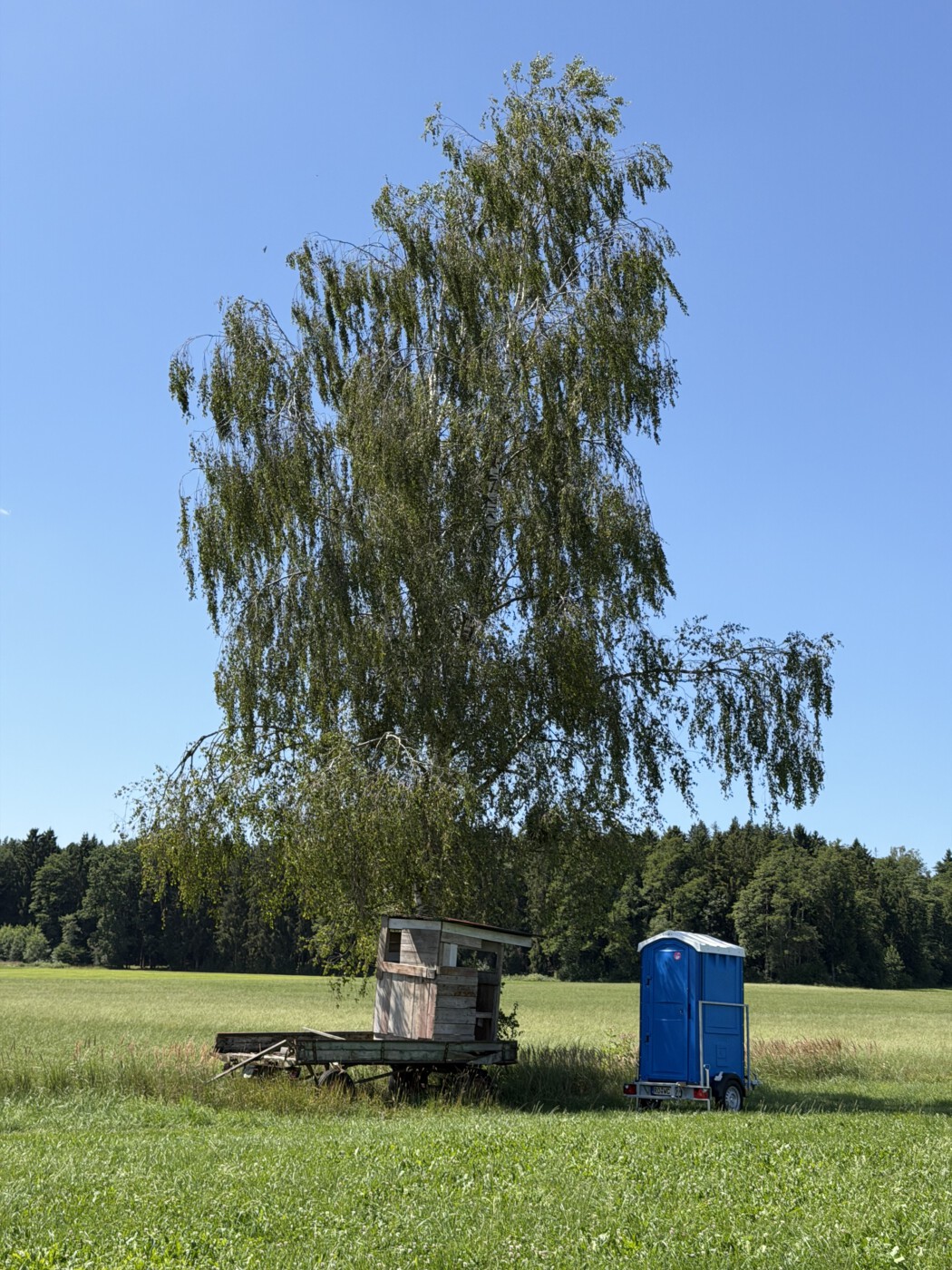
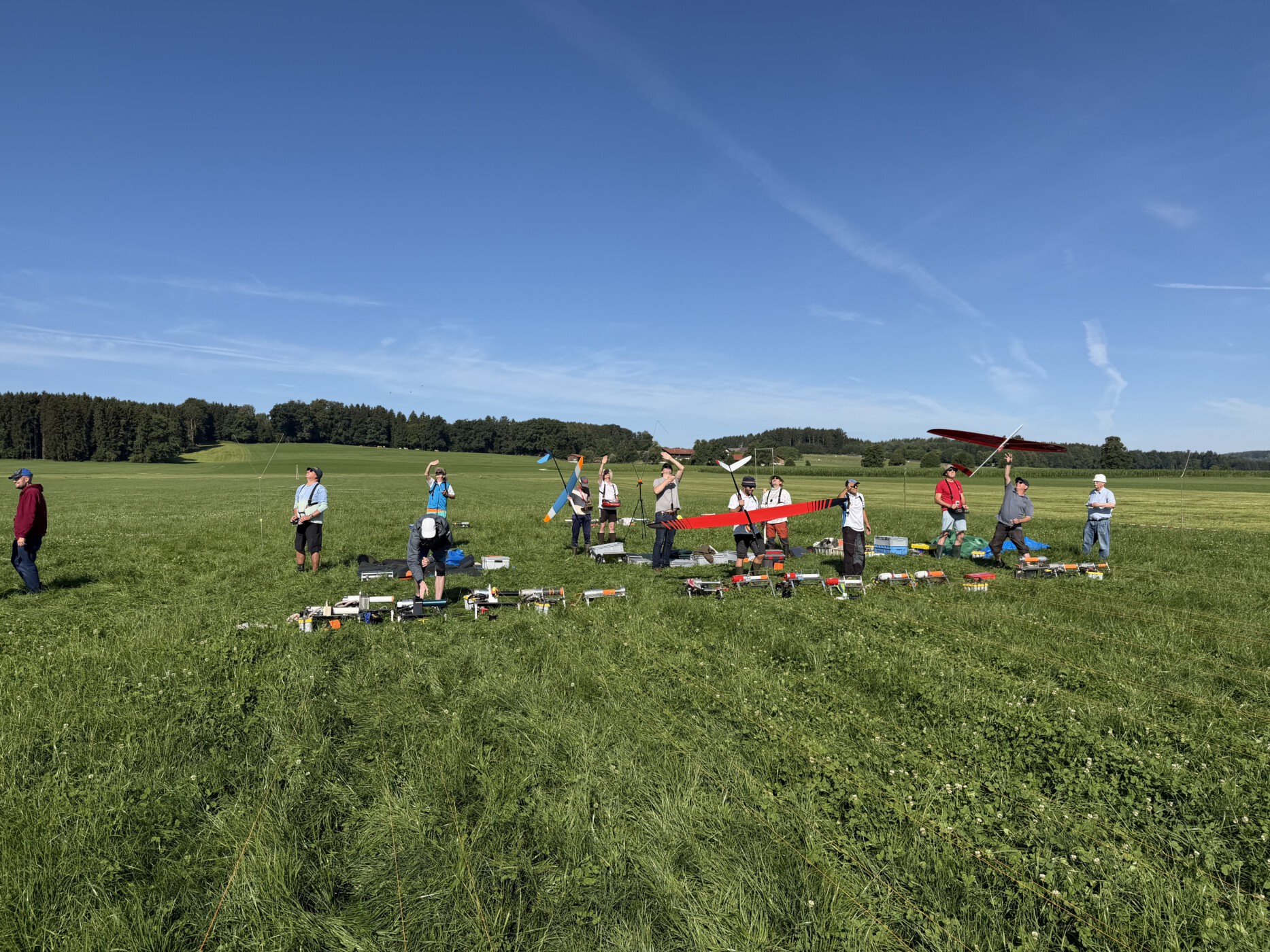
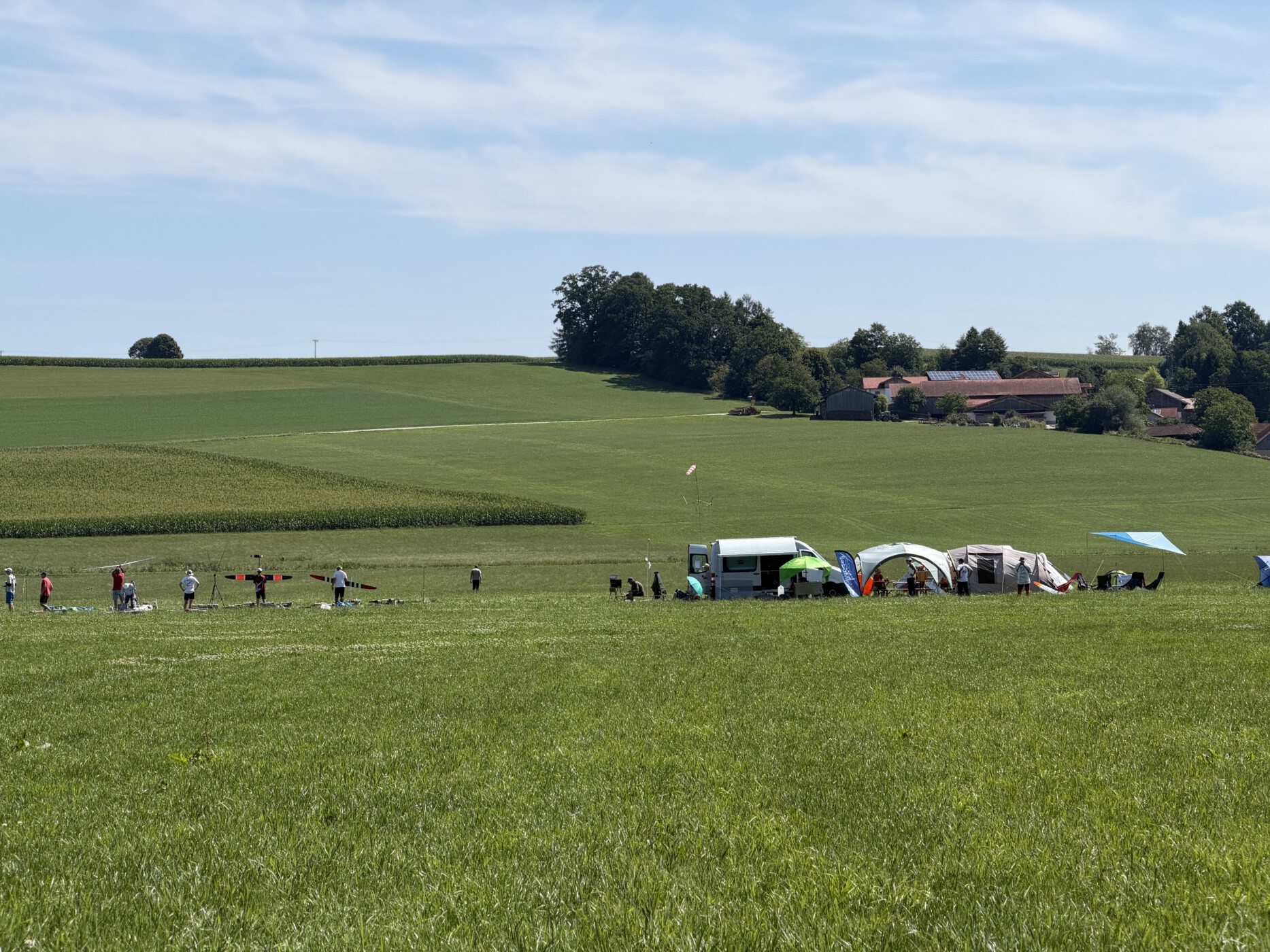
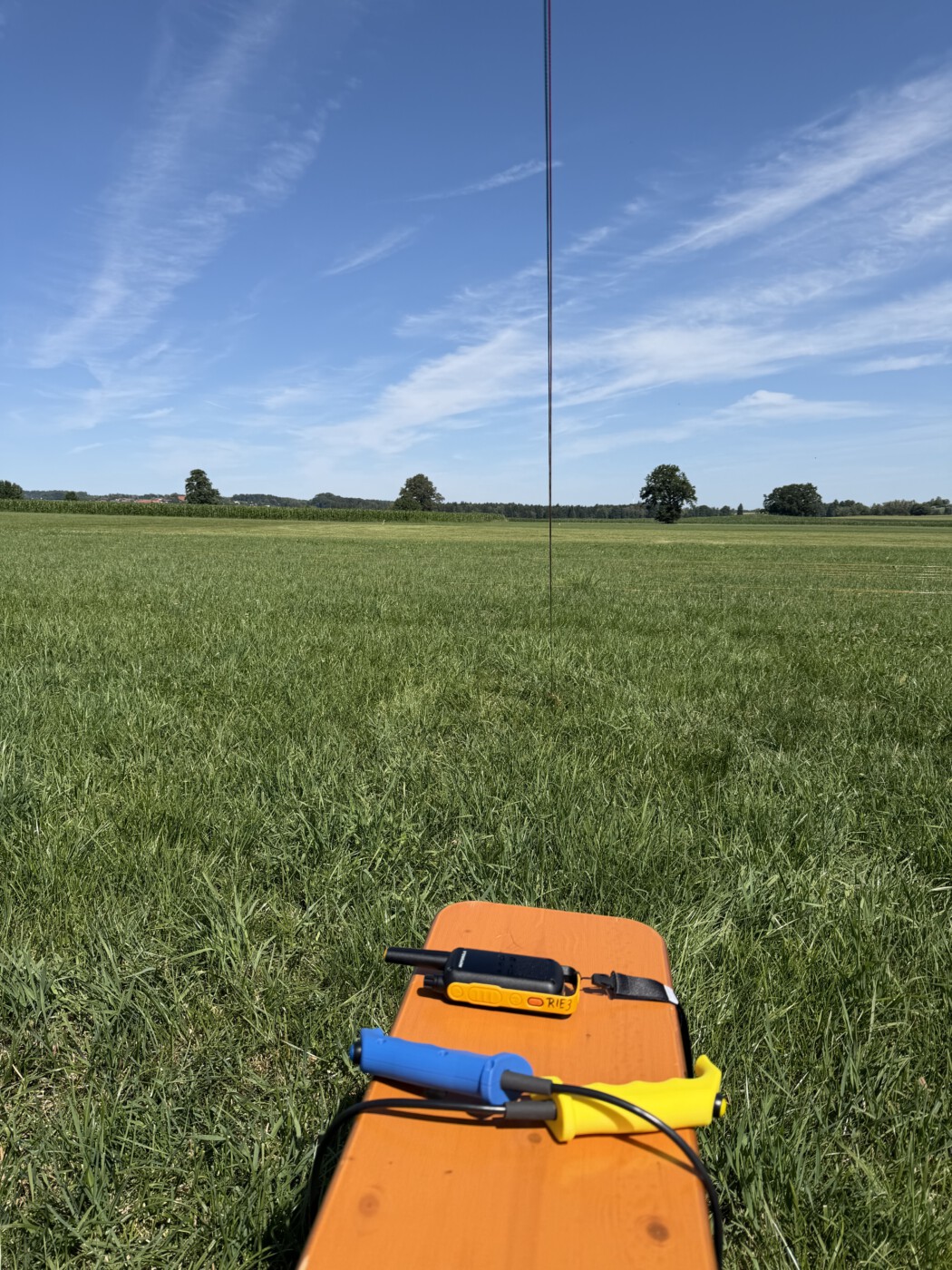
Pictures of the site:
Some pictures from the edge of the site in summer.
The winter pictures are roughly from the winch position.


